![[Video] Vietnamese Coffee Making: A Foreigner Experience](/pic/news/bia-lop-coffee_253936cf-48ed-4efa-92bd-5b1d0d17dfff.jpeg)
.jpg)


.svg)

Beyond the Cup: Why a Hands-On Workshop is a Must-Do
For Lily, a visitor from Germany on her first trip to Hanoi, joining a coffee-making class was about more than just caffeine; it was about eager immersion. At a dedicated space like Local Beans Roastery, the process transforms into a multi-sensory cultural experience.
Instead of just drinking a beverage, visitors immerse themselves in local life. You smell the intense aroma of freshly roasted beans, feel the texture of the equipment, and learn the rhythmic, mindful pouring techniques that define the craft. More than a simple cooking class, a hands-on workshop helps international visitors gain a profound, deeper understanding of Vietnamese social bonds and traditions
👇 [🎥 WATCH: See Lily’s Full Coffee Making Journey & Discover the Local Culture Here!] 👇
Vietnamese Phin vs. European Espresso: A World of Taste and Technique
If you are used to the cafe culture in Europe or North America, Vietnamese coffee is a revelation. As Lily noted during her session, European styles often boil down to simple variations of milk and espresso. Vietnam, however, offers a completely different world of ingredients and techniques.
The traditional Vietnamese Phin filter requires patience. Unlike high-pressure espresso machines, the Phin uses a slow-drip gravity method. Workshop attendees quickly learn how subtle changes in their pouring technique and the way they tamp the grounds can drastically affect the final flavor profile and the overall drinking experience.
| Criteria | Vietnamese Phin (Phin Filter) | European Espresso |
|---|---|---|
| Core technique | Slow gravity drip (patience-based brewing) | High-pressure extraction (machine-driven) |
| Equipment | Metal Phin (brew chamber + press disk), cup/glass | Espresso machine + portafilter + grinder |
| Pressure (visual knowledge) | ~0 bar (no applied pressure; gravity only) | ~9 bar (typical espresso pressure) |
| Filter type | Metal filter, no paper | Metal basket (portafilter), no paper |
| Coffee oils & body | More oils pass through → heavier mouthfeel, “richer” cup | Oils + crema contribute to a dense, concentrated texture |
| Grind size | Medium-fine (too fine can choke/slow excessively) | Fine (dialed-in precisely for flow rate) |
| Dose & ratio (visual knowledge) | Flexible; often higher water-to-coffee for a longer drink | More fixed; commonly ~1:2 brew ratio (e.g., 18g in → 36g out) |
| Brew time | Long (about 3–5 minutes or more) | Short (about 25–35 seconds for a standard shot) |
| Extraction style | Slow extraction; small technique changes shift sweetness/bitter notes | Fast extraction; small changes in grind/pressure strongly affect balance |
| Technique sensitivity | Pouring style + bloom + tamp/press pressure affect drip speed & taste | Grind, distribution, tamp, temperature, pressure, yield affect taste |
| Flavor profile (taste) | Bold, chocolatey, nutty; can lean caramel/bitter depending on drip speed | Intense, layered; can be bright, fruity, chocolatey depending on beans/roast |
| Common bean tendency | Often Robusta-forward (higher caffeine, stronger bitterness/body) | Often Arabica or blends (more aromatic range; can include Robusta for crema) |
| Caffeine perception | Often feels stronger due to robusta use and serving style | High concentration per ml, but smaller serving size |
| Serving & culture | Slow, ritual-like experience; commonly paired with sweetened condensed milk/ice | Fast bar culture; commonly becomes cappuccino/latte/flat white variations |
| Best for workshop learning | Easy to “see” how drip speed changes flavor; great for hands-on technique training | Great for dialing-in variables, but requires machine + precise grinder control |
Mastering the Variations: Egg, Coconut, and Salt Coffee
The highlight of any authentic workshop is moving beyond standard filter coffee to craft Vietnam’s famous specialty drinks. Found almost exclusively in Vietnam, these recipes are a testament to the country's culinary creativity.
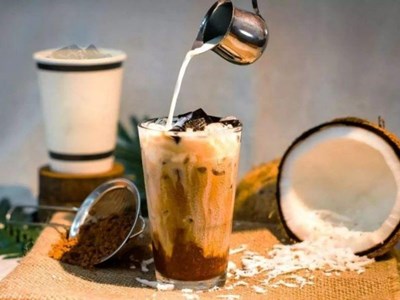
During a session, you can expect to get your hands messy and learn how to make authentic Egg Coffee, refreshing Coconut Coffee, and perfectly balanced Salt Coffee. The best part? You get to experiment with the ingredients and taste the exact, customized blend you created yourself.
.jpeg)
Featured Workshops: Choose Your Perfect Experience
Ready to roll up your sleeves? Whether you are a traditionalist or looking for something unique, we have a hands-on class designed for you. Explore our top-rated categories:
-
Coffee Workshop (Classic Hands-On): Dive into the fundamentals. This signature class teaches you the secrets of the Phin filter and guides you through crafting the "Big Three": Egg, Coconut, and Salt coffee. You will have full creative control to mix your own ingredients and find your perfect flavor profile.
-
Vegan Coffee Workshop: Want to experience the rich culture of Vietnamese coffee without the dairy? This specialized class teaches you how to replicate the creamy texture of condensed milk and the famous egg foam using innovative, 100% plant-based and vegan-friendly ingredients.
-
Coffee & Culture Experiences: For those who want the ultimate half-day itinerary! This experience combines our signature hands-on coffee workshop with your choice of guided local exploration. After mastering the Phin filter and sipping your handcrafted brew, you can customize the rest of your itinerary like feeling the thrill of the world-famous Hanoi Train Street. It is the perfect, flexible way to blend culinary craft with top city sightseeing.
.jpeg)
Frequently Asked Questions (FAQ)
🚩What is the best coffee to buy as a souvenir?
To recreate the magic at home, the best souvenir is a complete “Vietnamese coffee set”. This typically includes a bag of locally roasted Robusta beans and a traditional stainless steel Phin filter.
🚩What are common mistakes foreigners make when using a Phin filter?
The most common mistake is tamping the coffee grounds too tightly inside the filter, which completely stops the water from dripping. Another frequent error is using boiling water right off the stove, which can burn the beans and create a bitter taste.
🚩What kind of condensed milk is best for authentic Vietnamese coffee?
To achieve that authentic taste, you need sweetened, thick condensed milk. Its rich, syrupy texture is essential for balancing the intense, dark roast of the coffee.
🚩Why are Robusta beans used instead of Arabica?
Vietnam is the world's leading producer of Robusta beans. Robusta has a bolder, stronger, and more chocolatey flavor profile with higher caffeine content than Arabica, allowing it to hold up perfectly against sweet, heavy ingredients like condensed milk and egg cream.