
.svg)

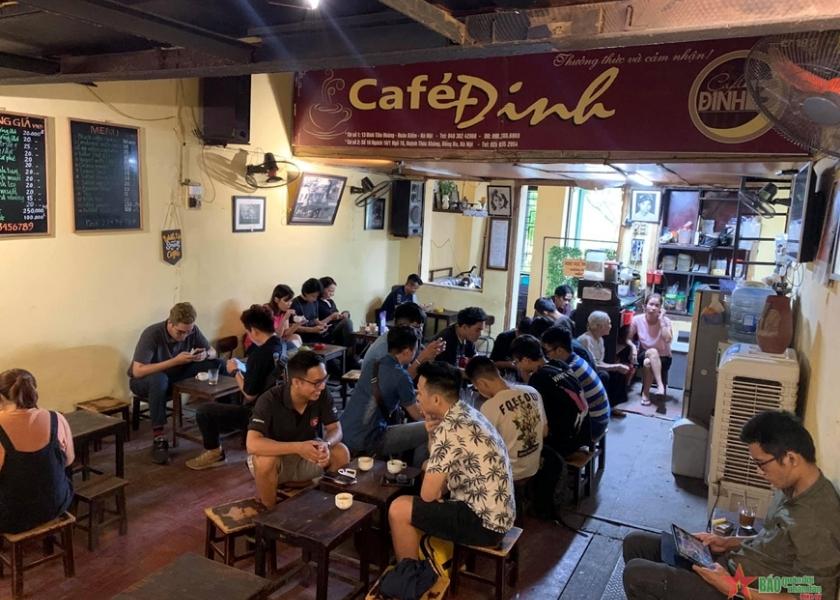
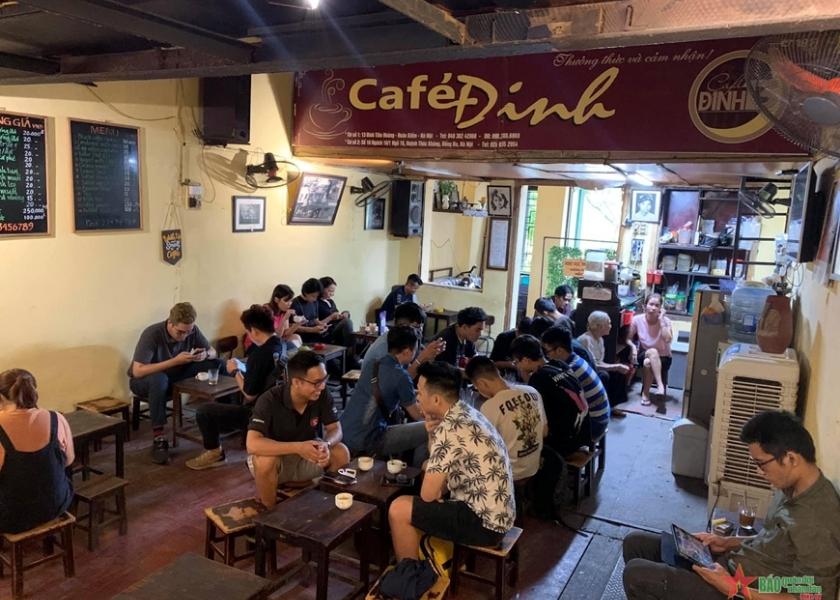
If you walk into any street-side café in Saigon or Hanoi at 7:00 AM, you won't hear the mechanical hiss of an espresso machine. Instead, you will hear the rhythmic clinking of metal spoons against glass.
That is the sound of Ca Phe Sua Da (Vietnamese Iced Coffee).
To the uninitiated, it might just look like sweet coffee. But to locals, and to an insider like me, this is "Rocket Fuel." It is sweeter than a Latte, has double the caffeine of an Espresso, and serves as the adrenaline heartbeat of the nation.
I have seen countless recipes online trying to replicate this drink. They mean well, but they often get the fundamentals wrong. They tell you to use paper pour-over filters, boiling water, or, worst of all, acidic Arabica beans.
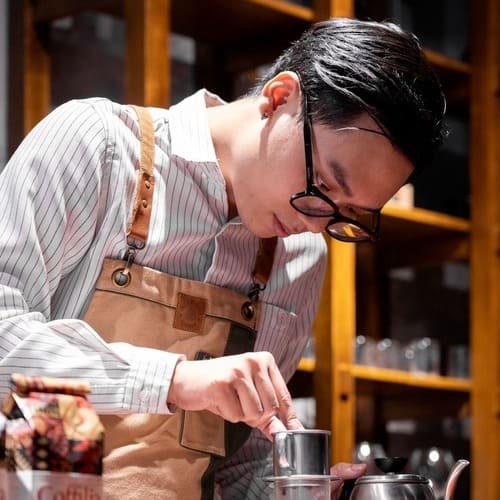
Do not make those mistakes. You cannot replicate the soul of Vietnam with Western techniques. Today, I am going to teach you the Authentic Method, the way it has been done for over a century, using the humble Phin filter, gravity, and patience.
The "Happy Accident" of History
To brew this correctly, you must understand its origin. This drink wasn't born in a laboratory; it was born from survival and necessity.
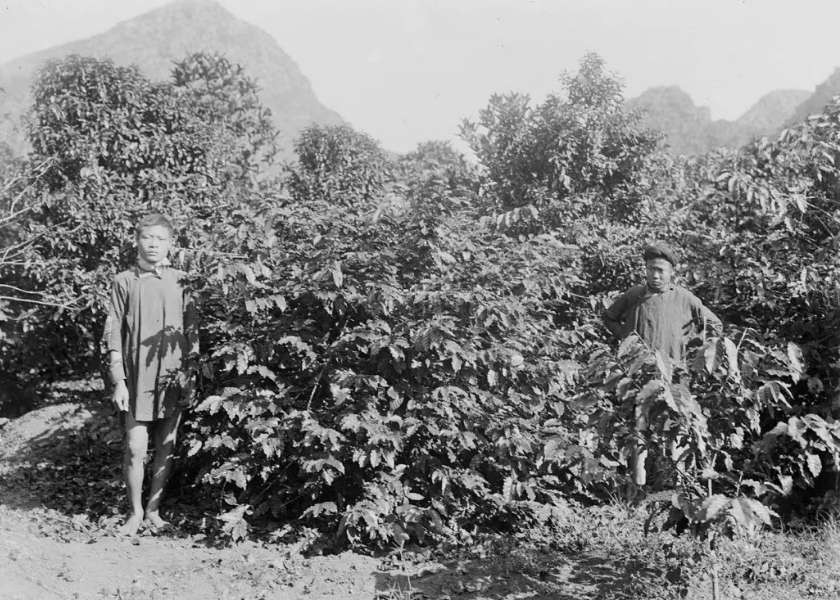
In 1857, French colonists brought coffee trees to Vietnam. They were desperate for their morning Café au Lait (Coffee with fresh milk). However, Vietnam’s tropical climate meant there were no dairy farms, and fresh milk spoiled instantly in the heat.
The solution came in tin cans: Sweetened Condensed Milk. It didn't need refrigeration, and it was thick as molasses.
Here is the "magic moment": When you mix that sugary, thick milk with Vietnam's native Robusta beans (which are notoriously bold, bitter, and high-caffeine), a perfect chemical reaction occurs. The fat of the milk tames the bitterness of the bean. The strength of the bean cuts through the sugar of the milk.
It creates a flavor profile I call "Liquid Tiramisu." Initially served hot (Cafe Sua Nong), locals soon added ice to combat the relentless tropical sun, and a legend was born.

The Holy Trinity: Ingredients You Cannot Swap
You cannot make authentic Pho with spaghetti. Similarly, you cannot make Ca Phe Sua Da with just "any" coffee. Here are the three non-negotiable elements.
1. The Soul: Robusta Beans (Ditch the Arabica)
Many Western guides suggest using "High-Quality Arabica" or generic "French Roast." This is a fatal error.
- The Science: Arabica is naturally acidic and fruity. Condensed milk is fatty and sweet. If you mix acid with heavy dairy, you get a flavor profile reminiscent of sour yogurt.
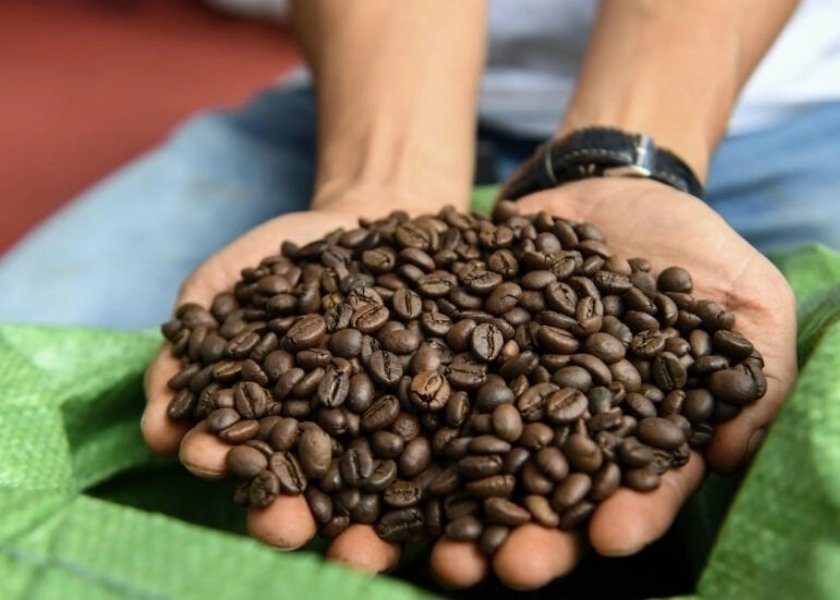
- The Fix: You need Vietnamese Robusta. It is low-acid, high-caffeine, and packed with deep notes of Dark Chocolate, Popcorn, and Whiskey. It has the "body" required to stand up to the condensed milk without disappearing.
>>> Read more: Vietnamese Robusta Coffee: The Secret to Italian Crema
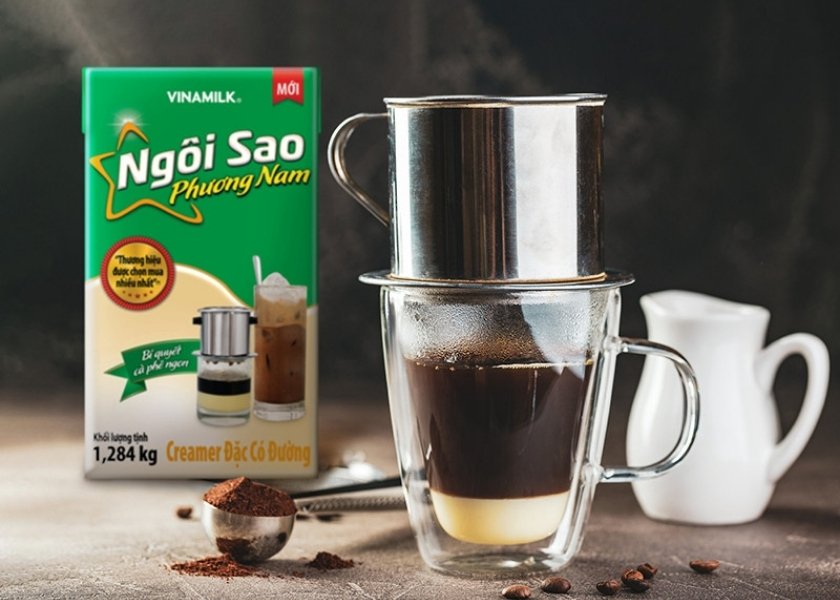
The Body: Sweetened Condensed Milk
In Vietnam, we swear by "Ong Tho" (Longevity Brand).
- The Rule: Do not use fresh milk. Do not use Half-and-Half. And absolutely do not use "Evaporated Milk" with added sugar. You need the specific viscosity of condensed milk to create that signature creamy mouthfeel.
>>> Read more: How to Make Vietnamese Coffee with Condensed Milk
The Tool: The Phin Filter (No Paper Filters)
Paper filters (like those used in V60 or Chemex) trap coffee oils (lipids).
- The Reality: Robusta beans rely on those natural oils to create a savory, buttery texture. The traditional aluminum Phin allows all those oils to pass through into your cup. It is a zero-waste tool that forces you to slow down.
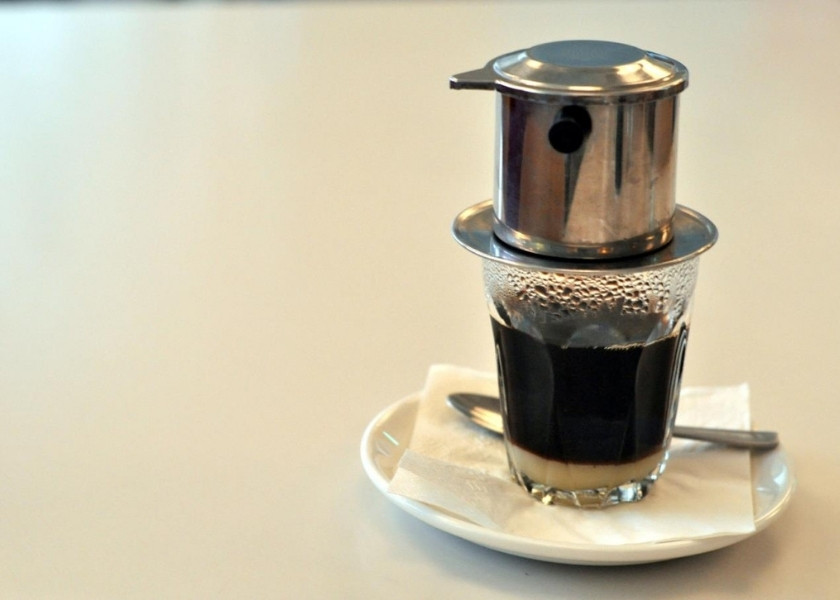
>>> Read more: The Best Phin Filter 2025: Gravity vs. Screw-Down
The Master Class: Brewing Without the BS
Forget the expensive scales and gadgets. This is street coffee. However, there is one scientific rule regarding temperature that you must follow.
The Golden Ratio: 1 part Coffee to 1 part Condensed Milk (Adjust to 1:0.8 for a stronger kick).
Step 1: The Base
Pour 2 tablespoons (30ml) of Sweetened Condensed Milk into a clear glass.
- Pro Tip: Rinse your metal Phin with hot water before brewing. Cold metal sucks heat away from the water, leading to under-extraction.
Step 2: The Load
Add 20 grams (approximately 3 heaped teaspoons) of medium-coarse Robusta grounds into the Phin.
Shake it gently to level the grounds. Place the metal damper (press) on top. Press gently. If you press too hard like an espresso tamper, the water won't pass through. If you don't press at all, it will flow too fast.
Step 3: The Bloom (The Secret)
Pour just a splash of hot water (20ml) over the damper.
- STOP AND WAIT. Let it sit for 45 seconds.
- Why? You will see the coffee swell and bubble. This is CO2 escaping. If you skip this step, the water will channel through the dry grounds, giving you weak, watery coffee.
Step 4: The Extraction
Pour water to the top of the Phin (approximately 60ml).
- Temperature Critical: Use water at 200°F (93°C).
- Warning: Do not use boiling water (212°F or 100°C). Boiling water scorches dark roast Robusta, killing the chocolate notes and leaving only the taste of burnt rubber and charcoal.
- Cover with the lid. Watch the drip. It should fall at a hypnotic pace: drop... drop... drop... (approximately 1 drop per second).
Step 5: The Alchemy
Once the dripping stops (4 to 5 minutes), remove the Phin.
- Stir vigorously. You want the heat of the coffee to "cook" the milk. The color should transform from black and white into a beautiful caramel toffee brown.
- Pour this mixture over a mountain of ice cubes and serve immediately.
Types of Vietnamese Coffee Drinks
Don't embarrass yourself when ordering. Here is how to navigate the menu.
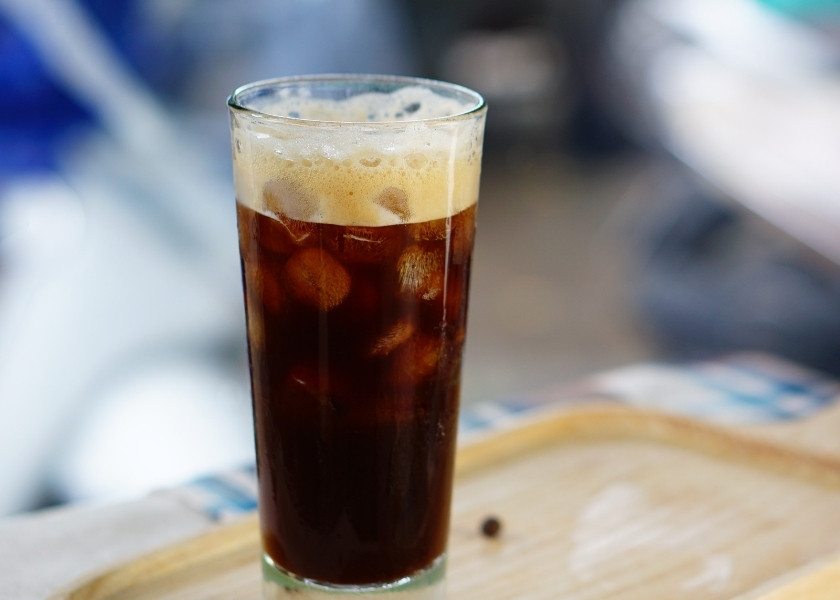
Ca Phe Den Da (What is Den Da Coffee?)
Many travelers ask, "What is den da coffee?"
- Answer: It is Black Iced Coffee. Just Coffee plus Sugar plus Ice. No milk.
- Profile: It is for the purists who want to taste the smoke, the tobacco, and the "whiskey" notes of the Robusta bean without the distraction of dairy.
>>> Read more: Vietnamese Black Coffee: Why It’s The "Whiskey" of Morning Rituals
Cafe Sua Nong (Hot Milk Coffee)
This is the exact same recipe as above, but you skip the ice. It is perfect for a rainy morning or a cold winter day in Hanoi.
Bac Xiu (The "Saigon Latte")
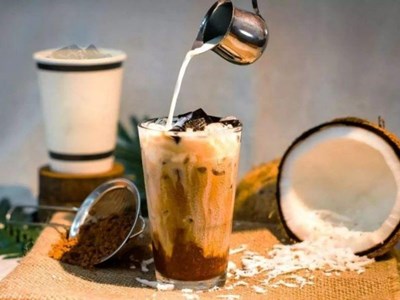
If Ca Phe Sua Da is too strong for you, order a Bac Xiu. It uses more milk, less coffee, and often a splash of coconut milk. It was originally invented for those who loved the flavor of coffee but couldn't handle the heart palpitations of pure Robusta.
.jpg)
>>> Read more: Bac Xiu: The real story of Saigon's white coffee
Where to Try Authentic Vietnamese Coffee in Hanoi? (Insider’s Guide)
You can buy beans online, but if you want to understand the soul of this drink, you need to go to the source.
The Pilgrimage (Author's Pick)
Hanoi Egg Coffee Class and Workshop | Local Beans Roastery
If you ever find yourself in my neck of the woods, come here.
- Why: We don't spray our beans with artificial butter or vanilla flavorings like the industrial brands. We roast Fine Robusta in small batches, right on-site.
- The Experience: This isn't just a shop; it's a sanctuary. You can touch the green beans, smell the roast, and learn the art of the Phin from masters who treat coffee as a discipline.
The US Option
Nguyen Coffee Supply (Brooklyn): A fantastic option for those in the States. They are doing great work importing legitimate, clean Robusta beans.
Summary Recipe Card
VIETNAMESE ICED COFFEE (CA PHE SUA DA)
- Prep Time: 2 mins
- Brew Time: 5 mins
- Total Time: 7 mins
- Calories: approximately 300 kcal
INGREDIENTS:
- 20g Vietnamese Robusta Coffee (Medium-coarse grind)
- 30ml Sweetened Condensed Milk (Longevity Brand preferred)
- 80ml Hot Water (93°C or 200°F)
- 1 Cup Ice Cubes
EQUIPMENT:
- Aluminum Phin Filter (6oz size)
- Heat-proof glass
INSTRUCTIONS:
Step 1: Add 30ml condensed milk to a glass
Step 2: Add 20g Robusta coffee into a phin filter
Step 3: Bloom with 20ml hot water (45 seconds)
Step 4: Add 60ml water and let it drip (4–5 minutes)
Step 5: Stir and pour over ice
Water temperature: 93°C (200°F)
Conclusion: The Art of Slow Living
In a world of instant gratification and push-button espresso machines, Ca Phe Sua Da demands something expensive from you: Your Patience.
You cannot rush the drip. You have to sit there, watch it fall, and anticipate the reward. It is a daily reminder to slow down and savor the moment.
It is strong. It is sweet. It is intense. And once you have brewed it the authentic way, those watered-down lattes will never taste the same again.
Are you ready to get buzzed?
%20(1).png)