
.svg)

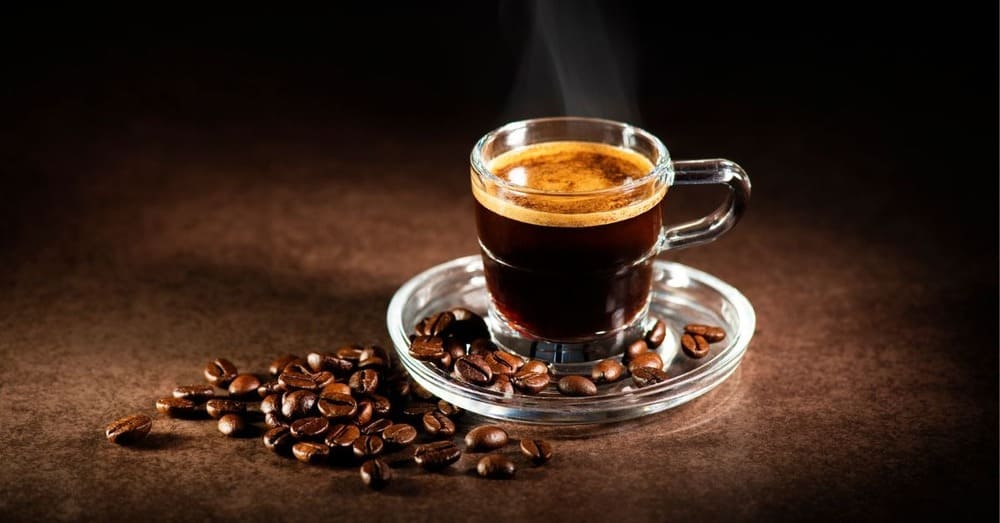
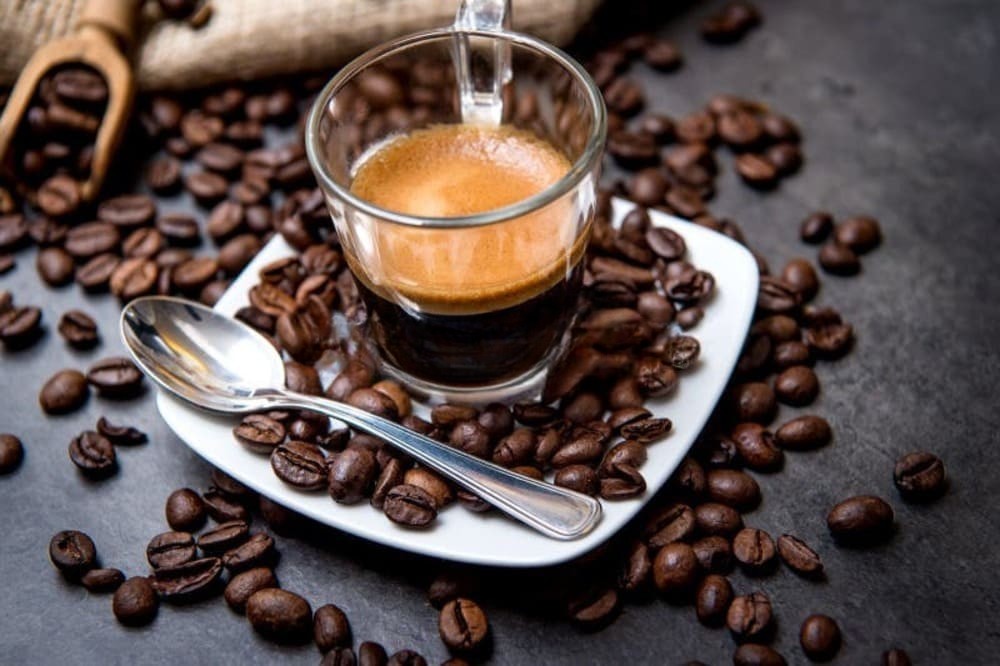
Picture a perfect shot of Italian espresso. Dark, syrupy, crowned with a thick layer of golden crema that lingers on the surface. That crema is not decoration. It traps aroma, defines texture, and signals a well-extracted shot. For generations of baristas, it has been the ultimate benchmark of espresso quality.
What most people don’t realize is this: that iconic crema is rarely built on Arabica alone.
Behind many of the most respected espresso blends in Rome, Milan, and Naples lies a quiet, powerful ingredient - Vietnamese Robusta coffee.
.jpg)
For decades, the industry has treated Vietnamese Robusta as a "filler." But today, we are going to flip the script. We are going to explore why this powerhouse bean is the unsung hero of the coffee world, and how the new wave of Fine Robusta is proving that "Strong" can also be "Delicious".
This is the story of why Vietnamese Robusta matters — not as a substitute for Arabica, but as its essential counterpart.
The Science of Crema: Why Vietnam Rules the Espresso Machine
To understand why Vietnamese Robusta is indispensable, we need to look beyond taste and into extraction science.
| Aspect | Arabica Coffee | Vietnamese Robusta Coffee |
|---|---|---|
| Crema composition | Crema is an emulsion formed by CO₂ bubbles trapped in coffee oils during extraction | |
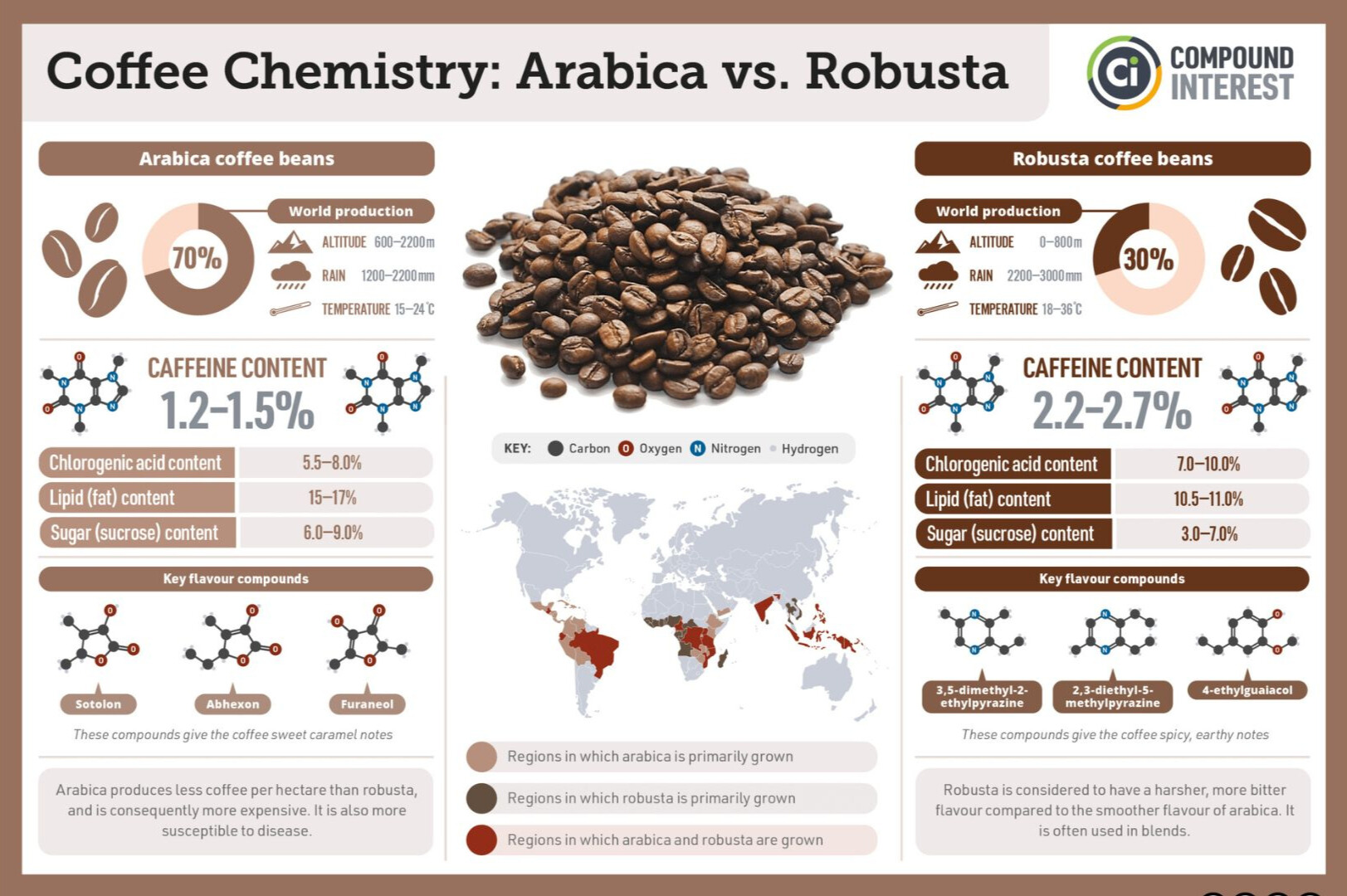
| Lipid (oil) content | High lipid content (≈15–17%) | Lower lipid content (≈10–11%) |
| Effect on crema | Excess oils destabilize foam, causing crema to thin and dissipate quickly | Lower oil content supports a thicker, more stable crema structure |
| Bean structure | Softer cellular structure | More rigid cellular structure |
| Result in espresso | Lighter, less persistent crema | Dense, long-lasting crema with better structural integrity |
So, when you pull a shot with Vietnamese Robusta, the lower oil content allows for a thicker, more stable foam structure. It creates a "tiger skin" crema that can support a teaspoon of sugar for several seconds before it sinks.
If you have been struggling to get rich crema on your home espresso machine using 100% Arabica, it’s not your machine’s fault. It’s your beans. You are missing the "muscle."
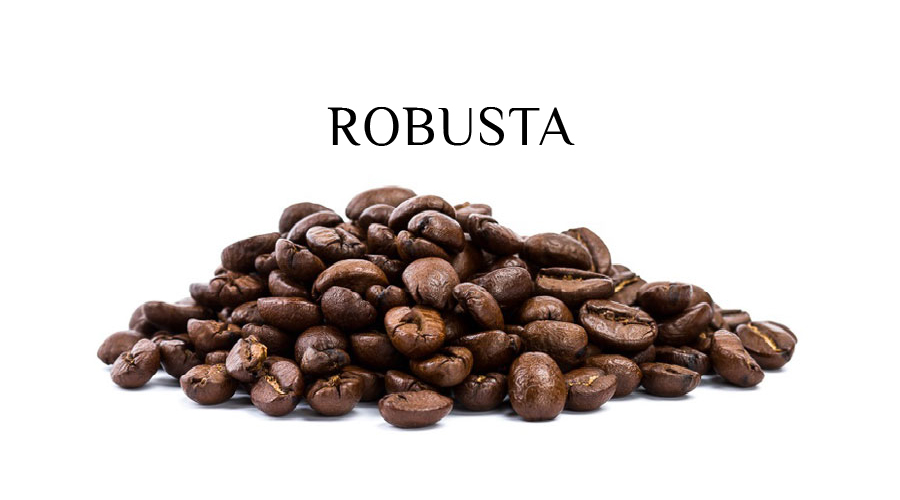
Beyond the Foam: What is "Fine Robusta"?
"Okay," you might say. "It makes good foam. But doesn't it taste like burnt rubber?"
If you asked me this question 10 years ago, I might have agreed. In the past, commercial-grade Robusta was strip-harvested and sun-dried on dirt patios, leading to earthy, harsh defects.
But Vietnam; the world’s second-largest coffee exporter, which is currently executing a "Purple Cow" strategy (to borrow from Seth Godin). Farmers in the Central Highlands (Buon Ma Thuot) are turning a commodity into a luxury product known as Fine Robusta.
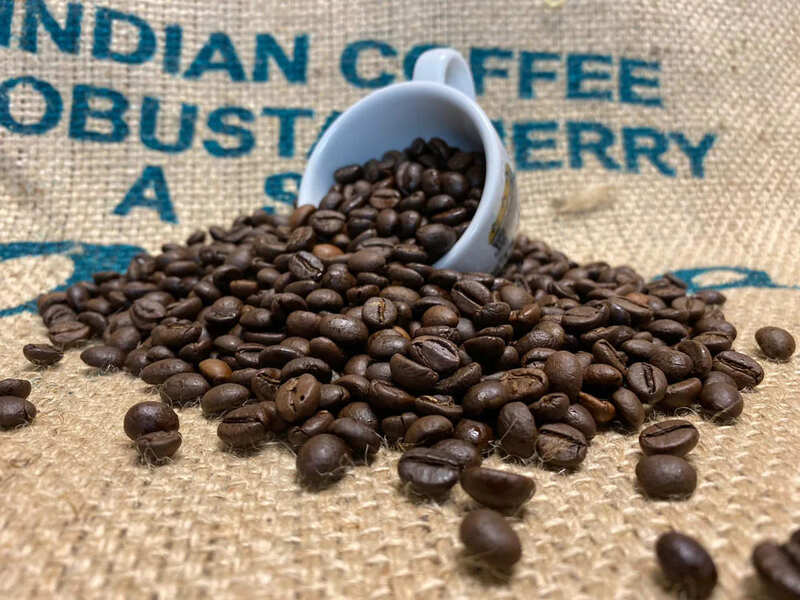
How to make "Fine Robusta"?
Fine Robusta refers to Robusta coffee grown and processed with the same care typically reserved for specialty Arabica:
- Selective harvesting of fully ripe cherries
- Controlled honey or natural processing
- Precision roasting to balance bitterness and sweetness
- The result is a radically different flavor profile.
The Modern Flavor Profile
By using Selective Picking (100% ripe cherries) and controlled Honey Processing, modern Vietnamese Robusta has eliminated the "rubber" notes. Instead, you get:
- Deep Dark Chocolate
- Roasted Hazelnuts
- Whiskey & Caramel notes
- Full Body: A mouthfeel that is thick and coating, like drinking syrup rather than water.
This is not a filler bean. It is a coffee with intention, identity, and complexity.
.jpg)
Robusta vs. Arabica: The Scientific Showdown
Let’s stop comparing apples to oranges. Arabica and Robusta serve different functions. In Scientific Advertising, we learn that specificity sells. Arabica offers brightness, aromatics, and acidity. Robusta delivers body, strength, and crema stability. Understanding their differences allows brewers to choose intentionally.
Here is the specific breakdown of why Robusta is the superior choice for energy and health.
| Feature | Arabica | Vietnamese Robusta | The Benefit for You |
|---|---|---|---|
| Caffeine | 1.2–1.5% | 2.2–2.7% | Natural pre-workout. One cup delivers nearly twice the caffeine of Arabica. |
| Sugar | High (6–9%) | Low (3–5%) | Diet-friendly. Lower natural sugars suit keto and low-carb lifestyles. |
| Acidity | High (bright, sour) | Low (mellow) | Stomach-friendly. Ideal for those sensitive to acidic coffee. |
| Crema | Thin, dissolves quickly | Thick, heavy, long-lasting | The espresso secret. Essential for stable crema and latte art. |
The "Truegrit" Factor: Robusta is naturally higher in Chlorogenic Acid (CGA), a potent antioxidant. While this contributes to the bitterness, it also means Robusta is arguably healthier, offering more anti-inflammatory properties per cup.
So, rather than asking which is “better”, the better question is: what experience do you want in the cup?
How to Brew: The "Golden Ratio" for Home Baristas
Buying the right beans is only half the battle. Robusta is a wild beast; if you treat it like a delicate, tea-like Arabica, it will punish you with harsh bitterness. To truly tame its profile and unlock the soul of Vietnamese Robusta, you need more than just heat and water, you need the right technique and a specialized coffee kit.
.jpg)
The Italian Secret: The "Golden Crema" Blend (Espresso)
If you own an espresso machine (Breville, Gaggia, or La Marzocco) and frustrated by thin, watery shots, this is your fix. Stop using 100% single-origin Arabica. It lacks the structural integrity to hold a heavy foam.
The Strategy: You are going to create a "Melange Blend."
- The Ratio: 70% Medium-Roast Arabica (Brazil or Colombia for nuttiness) + 30% Dark-Roast Vietnamese Robusta (for body and crema).
- The Science: Robusta beans have a lower oil content (10%) compared to Arabica (16%). Less oil means the CO2 bubbles formed during high-pressure extraction (9 bars) don't pop immediately. They build up into a thick, mousse-like layer.
.jpg)
Step-by-Step Execution:
- The Mix: Weigh out 14g of Arabica and 6g of Robusta. Mix them before putting them in your grinder to ensure an even distribution.
- The Grind: Grind slightly finer than you would for pure Arabica. Robusta is denser and resists water flow, but because you are blending, a finer grind ensures the Arabica extracts fully while the Robusta yields its oils.
- The Pull: Aim for a 1:2 ratio (20g in, 40g out) in 25-30 seconds.
- The Visual Cue: Watch the pour. You are looking for "Tiger Striping"; mottled, reddish-brown streaks in the crema. If you see this, you have successfully extracted the "God Shot."
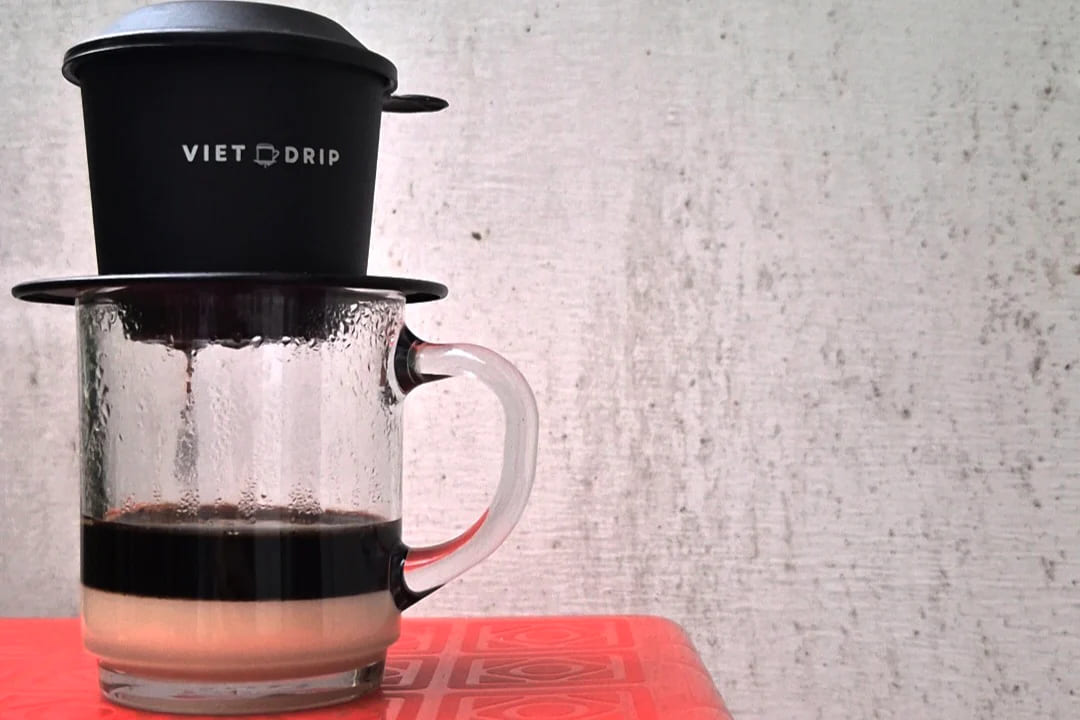
The Vietnamese Classic: Phin Drip (The Mindfulness Ritual)
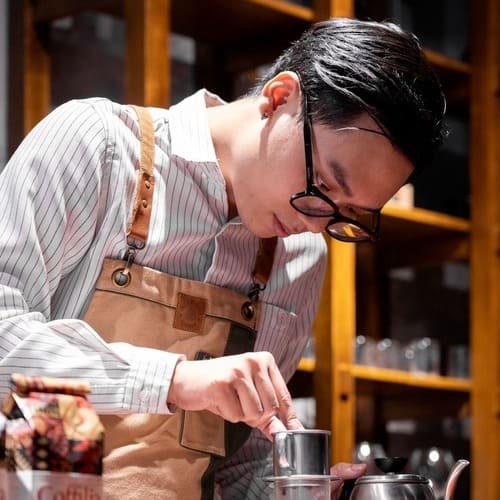
The Phin is not just a tool; it’s a test of patience. It combines the immersion of a French Press with the drip method of a V60.
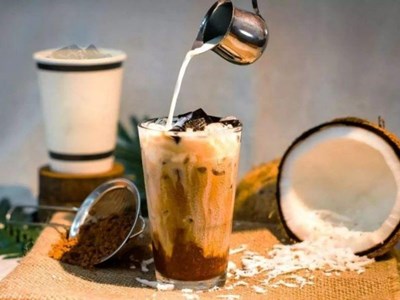
The "Sữa Đá" Alchemy: You cannot discuss Robusta without its soulmate: Sweetened Condensed Milk. The milk’s high sugar and fat content chemically bind with the bitter compounds (tannins) in Robusta, neutralizing the harshness and leaving behind notes of caramelized popcorn and melted chocolate ice cream.
The Master Recipe (Scientific Method):
- Coffee Dose: 20 grams (approx. 3 heaped teaspoons).
- Water Temperature: 195°F - 200°F (90°C - 93°C).
Warning: DO NOT use boiling water (212°F). Boiling water scorches Robusta, destroying the chocolate notes and leaving only burnt rubber flavors. Let your kettle sit for 60 seconds after boiling.
Grind Size: Sand-like texture. (Too coarse = sour water; Too fine = clogged filter).
.jpg)
Step-by-Step Execution: How to make a Phin coffee?
Buying Guide: How to Spot the Good Stuff
To ensure you are getting Fine Robusta and not the "rubber" stuff of the past, check the label for these indicators:
- "Fine Robusta" or "Specialty Grade": This guarantees defect-free beans.
- Processing: Look for "Honey Process" or "Natural Process." These methods enhance sweetness and body.
- Origin: Buon Ma Thuot or Dak Lak. This is the terroir where Robusta thrives best.
- Roast date: Fresh, ideally within 2–4 weeks
Brand Recommendations
1. Hanoi Egg Coffee Class & Workshop | Local Beans Roastery (Location: Hanoi, Vietnam)
If you are serious about understanding Robusta, you don’t just buy a bag; you go to the source. This is not just a coffee shop; it is a sanctuary for coffee education.
- The Experience: Unlike commercial chains, this roastery allows you to touch the raw beans, smell the roast profile, and learn the art of the "Phin" directly from the masters.
- Why It Stands Out: They specialize in small-batch, onsite roasting of high-altitude Robusta. This is the only place where I trust the beans to be fresh enough to create the perfect Egg Coffee (Cà Phê Trứng).
- The Verdict: If you want to taste the "chocolate and whiskey" notes I described in this article, this is exactly where they come from. Don't just drink coffee; come here to master it.

2. For the US-Based (The Convenient Choice)
Nguyen Coffee Supply (Brooklyn, NY) If you can't fly to Hanoi today, this is your best bet in the States. They are doing a fantastic job normalizing Robusta with their "Truegrit" line. It’s clean, strong, and roasted fresh in Brooklyn.
3. For the Nostalgic (The Classic Choice)
Trung Nguyen Legend (Sang Tao Series) The giant of the industry. While more industrial than the options above, their "Creative 1" (Sang Tao 1) is the classic, heavy-bodied, butter-roasted Robusta that introduced the world to Vietnamese coffee culture.
Respect the Power
For too long, the coffee industry has told you that "acidity" and "floral notes" are the only definition of quality. They ignored the beauty of Body, Crema, and Strength.
Vietnamese Robusta is the dark horse of the coffee world. It powers the best espressos in Italy, and it fuels the hardest working people in Vietnam.
So, the next time you look at your thin, watery espresso shot, you know what’s missing. It’s time to add some muscle to your morning routine.
Are you ready to wake up?
FAQ – People Also Ask
Is Vietnamese Robusta coffee good for espresso?
Yes. Vietnamese Robusta is highly valued in espresso blends because it creates thicker crema, adds body, and delivers stronger caffeine intensity compared to Arabica.
Why do Italian espresso blends use Robusta coffee?
Italian roasters use Robusta to stabilize crema and enhance mouthfeel. Robusta’s lower oil content and denser structure help produce long-lasting crema under high pressure.
Does Robusta coffee have more caffeine than Arabica?
Yes. Robusta typically contains about 2.2–2.7% caffeine, nearly double the caffeine level of Arabica, which averages 1.2–1.5%.
Is Robusta coffee more bitter than Arabica?
Robusta can taste more bitter due to higher caffeine and chlorogenic acid levels. However, well-processed Fine Robusta offers balanced bitterness with chocolate and nutty notes.
Is Robusta coffee better for people with sensitive stomachs?
Often yes. Robusta generally has lower acidity than Arabica, making it easier on the stomach for people sensitive to acidic coffee.
Can Robusta coffee be used alone without Arabica?
Yes. High-quality Vietnamese Robusta can be brewed on its own, especially for phin coffee or strong espresso styles, offering full body and intense flavor.
Why does Robusta create thicker crema than Arabica?
Robusta’s lower lipid content allows CO₂ bubbles to form a more stable foam during espresso extraction, resulting in thicker, longer-lasting crema.