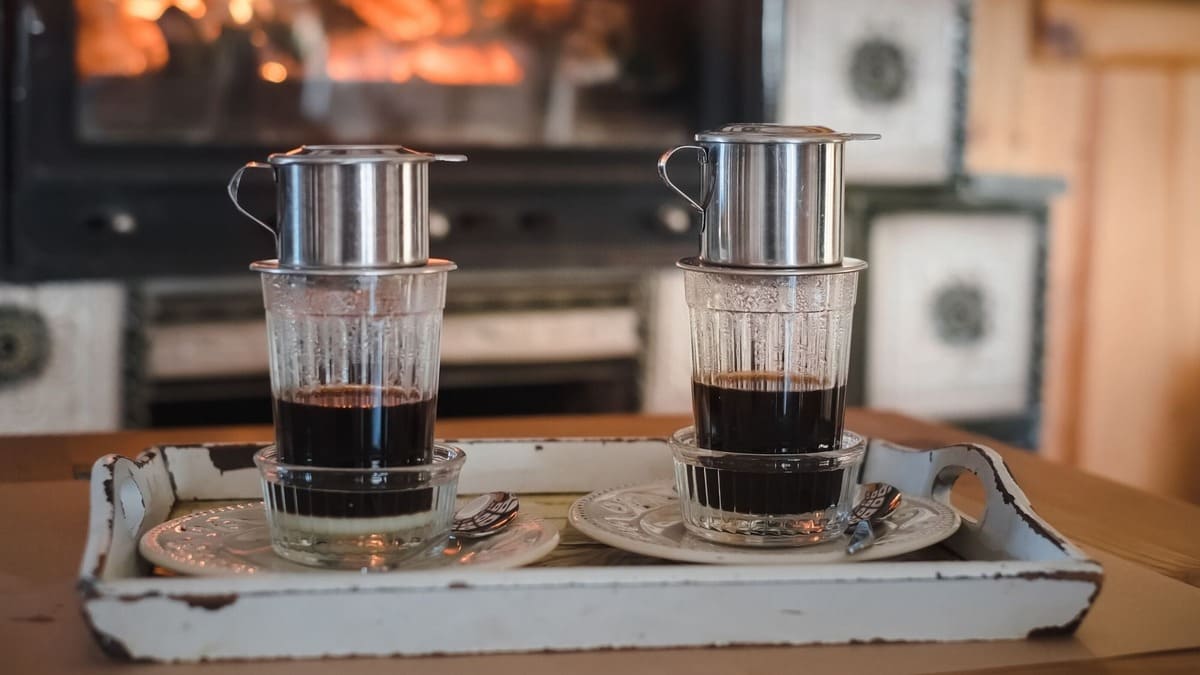


.svg)


Essential Gear: What You Need for a Local Brew
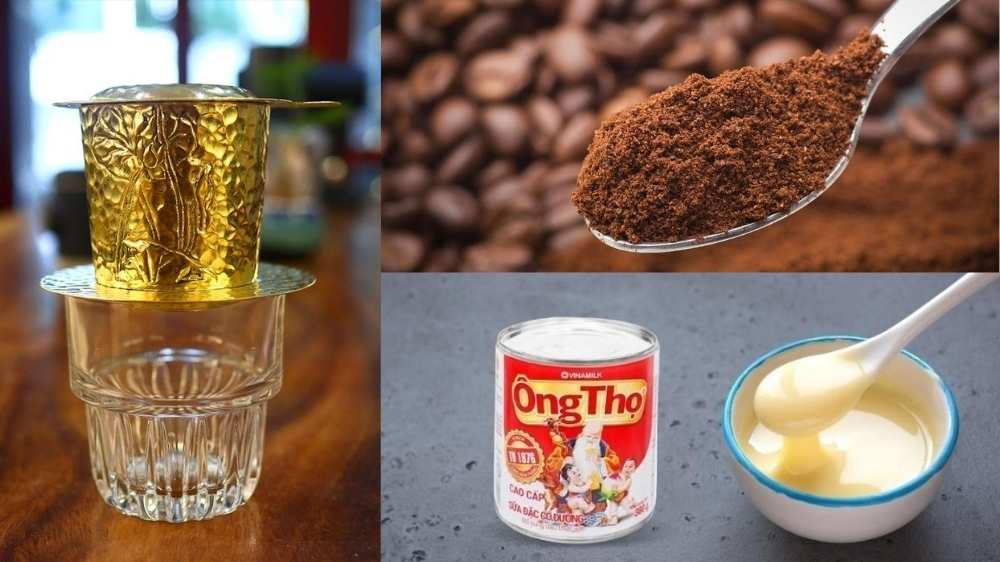
Before we dive into the technique, let’s talk about your toolkit. Unlike espresso machines that cost thousands, the Phin is beautifully low-tech.
-
The Phin Filter: Usually made of stainless steel or aluminum. There are two types: Gravity-press (the filter disk just drops in) and Screw-down (the disk screws onto a center post). For the 2:3:4 method, either works, but the gravity-press is the favorite for modern local cafes.
-
The Coffee: To get that "local" taste, you need Robusta beans. They have twice the caffeine of Arabica and a distinct chocolatey, nutty profile. The grind should be medium-coarse - think of the texture of sea salt. If it’s too fine, it clogs; too coarse, and the water runs right through.
-
The Water: Temperature is the silent killer of flavor. Never use boiling water (100°C), as it burns the delicate oils. Aim for 92°C to 95°C.
-
The Secret Ingredient: Condensed milk (Lon Thọ style). If you’re going for a Cà Phê Sữa Đá, this is non-negotiable.
The 2:3:4 Formula Explained (The Golden Ratio)
In the world of professional baristas, we talk about grams and milliliters. On the streets of Vietnam, baristas use the "feel," but we’ve quantified it into the 2:3:4 Formula to ensure you never miss.
-
2 (20g - 25g Coffee): This is your foundation. For a standard 6oz (small) Phin, you want to fill the chamber about 1/3 of the way up. This ensures there is enough "bed depth" for the water to struggle through, creating intensity.
-
3 (30ml Water for Blooming): This is the most skipped step by amateurs. The "3" represents the initial 30ml of water used to "wake up" the coffee.
-
4 (40ml - 50ml Final Pour): This is the extraction phase. This specific amount of water ensures the coffee is concentrated. We aren't making a long Americano; we are making a "shot" of Vietnamese soul.
Step-by-Step Guide: How to Use Phin Filter Like a Pro
Follow these steps exactly, and you’ll see the "slow drip" beauty that makes this method famous.
Step 1: The Warm-up
Rinse your Phin and your glass with hot water. A cold Phin steals heat from the brew, leading to under-extraction and a sour taste.
Step 2: Load the Coffee (The '2')
Add your 20g of coffee into the chamber. Give it a gentle tap to level the grounds. Pro Tip: Do not shake it violently; you want an even, flat bed.
Step 3: The Bottom Bloom (The Local Secret)
Place the Phin lid upside down on the table and pour a tiny bit of hot water into it. Place the Phin chamber (with coffee) on top of the lid. The coffee will absorb water from the bottom.
Step 4: The Top Bloom (The '3')
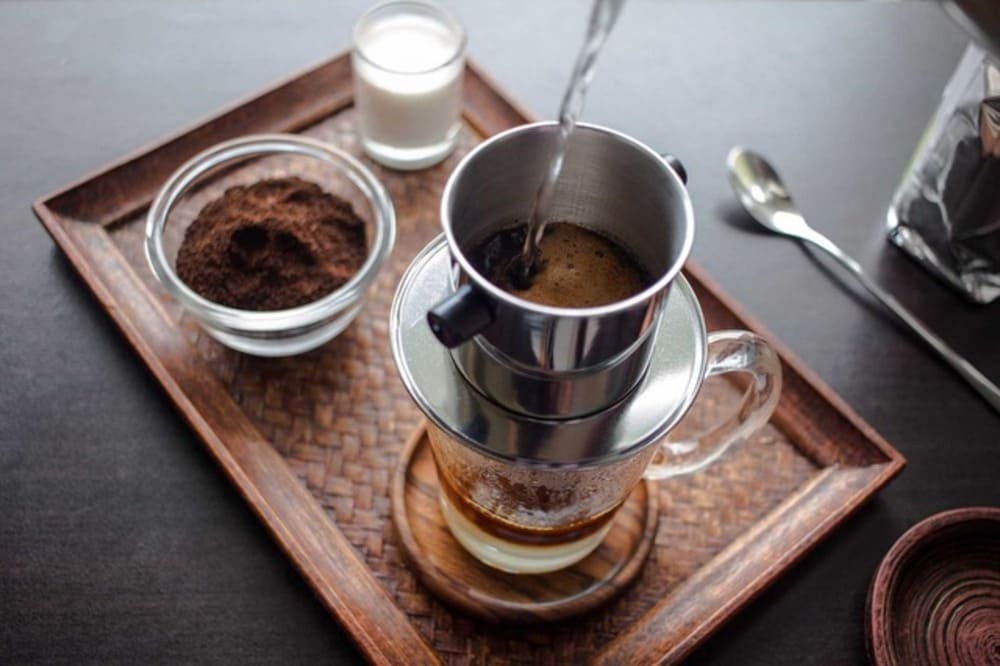
Insert the filter press disk and press down gently (if it’s a screw-type, give it one or two light turns). Pour 30ml of hot water over the disk. Wait 45 to 60 seconds. You will see the coffee expand - this is called "blooming," and it releases trapped CO2.
Step 5: The Main Event (The '4')
Pour the remaining 40-50ml of water into the Phin. Cover it with the lid. Now, we wait. The coffee should begin to drip at a rate of about one drop per second. If it’s a steady stream, something is wrong. The total brew time should be between 4 to 6 minutes.
Troubleshooting: Why is My Phin Dripping Too Fast?
If your Phin finishes in under 2 minutes, you’ve essentially made "coffee tea." Here is how to fix it:
-
Check the Grind: 90% of the time, the coffee is ground too coarsely. It needs to be finer to create resistance.
-
The Press Factor: If you are using a gravity filter, you might need to press the disk down a bit firmer after the bloom. If it’s a screw-down, tighten it by half a turn.
-
The Freshness: Very old coffee doesn't bloom; it just lets water pass through. Use fresh beans whenever possible.
Serving Suggestions: The Local Way
Now that you have your 40ml of "black gold," how do you drink it?
-
Cà Phê Đen (Black): Stir in a teaspoon of sugar while the coffee is hot. Sip it slowly.
-
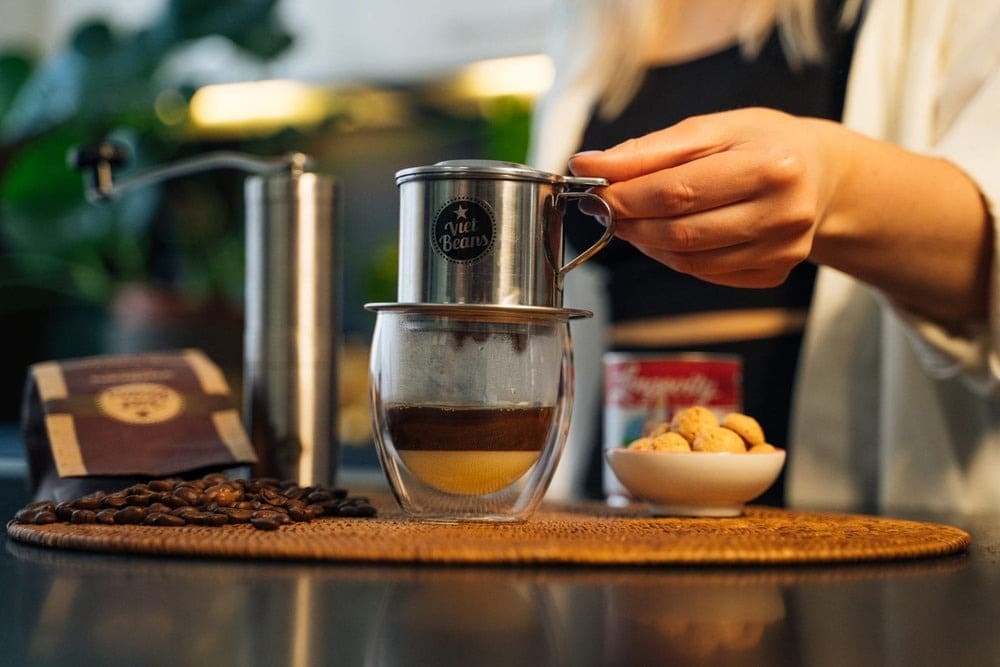
Cà Phê Sữa Đá (Iced with Milk): Put 2 tablespoons of condensed milk in the glass before you start the brew. The hot coffee will melt the milk as it drips. Stir, then pour over a glass full of large ice cubes.
-
The Ice Rule: Locals use large, solid ice cubes. Small, crushed ice melts too fast and dilutes that beautiful 2:3:4 concentration you just worked so hard for.
.jpg)
FAQ: People Also Ask
Is Phin coffee stronger than espresso?
In terms of caffeine concentration per ounce, yes. Phin coffee typically uses Robusta beans (higher caffeine) and has a much longer contact time between water and coffee (5 minutes vs. 30 seconds for espresso), leading to a much punchier kick.
How much coffee for 4oz of Phin?
For a larger 8oz or 12oz Phin, you should scale the ratio. However, for a standard 4oz-6oz Phin, 20g-25g of coffee is the "sweet spot" for a balanced extraction.
What coffee is best for a Phin?
Traditionalists swear by Trung Nguyen or local Dak Lak Robusta. However, if you prefer something modern, a "Fine Robusta" or a "Signature Blend" (70% Robusta, 30% Arabica) offers a great balance of strength and aroma.
How do I clean a Phin filter?
Hand wash only! Most Phins are aluminum or basic stainless steel. Dishwashers can cause oxidation (making the Phin turn grey/dull). Just use warm water and mild soap, ensuring the tiny holes in the filter are clear of old grounds.
The Phin filter may look simple, but it represents an entire coffee culture built around patience and ritual.
Instead of rushing through a cup on the way to work, Vietnamese coffee invites you to slow down and enjoy the process: Watch the drip - Smell the aroma - Wait for the final drop. Because with the 2:3:4 method, every cup becomes a small moment of calm in a busy day.

===> Read more: