.svg)

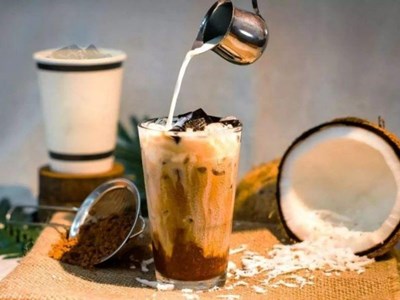
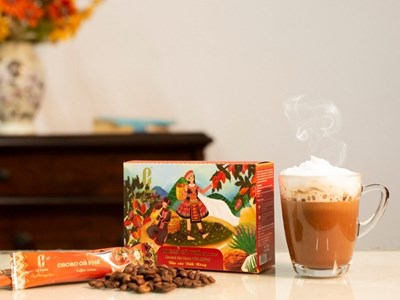
If you have ever stood on a humid street corner in Saigon, watching the condensation bead on a glass of Ca Phe Sua Da while the scent of roasting butter and cocoa fills the air, you understand one thing: Vietnamese coffee is not just a drink. It is a visceral experience. It is a flavor profile defined by intensity, viscosity, and an unapologetic caffeine punch that few other origins can replicate.
However, trying to find that same taste back home is fraught with difficulty. The global market is currently inundated with products masquerading as "Vietnamese Coffee". From stale, mass-produced beans collecting dust on supermarket shelves to "Vietnamese-style" blends that contain more chicory and soybeans than actual coffee, the path to finding authentic beans is a minefield for the uninitiated.
Wait, What’s So Special About Vietnamese Coffee?
Before you even consider where to purchase, you need to understand what you are actually buying. Unlike the homogenization found in much of the Western specialty coffee world, Vietnam offers a dichotomy of styles that caters to vastly different palates. Your satisfaction depends entirely on selecting the right bean for your specific brewing method.
Robusta vs. Arabica: The Great Divide
To buy Vietnamese coffee is, in large part, to buy Robusta (Coffea canephora). For decades, the global coffee industry marginalized Robusta as an inferior commodity. Vietnam has proven them wrong. Accounting for over 90% of the country's production, Vietnamese Robusta is chemically distinct from the Arabica beans found in your local Starbucks. It contains approximately 2.7% caffeine, nearly double that of Arabica, and boasts a lower sugar and lipid profile. This unique composition provides deep, earthy bass notes of dark chocolate and nuts, along with the signature heavy body that coats the tongue.
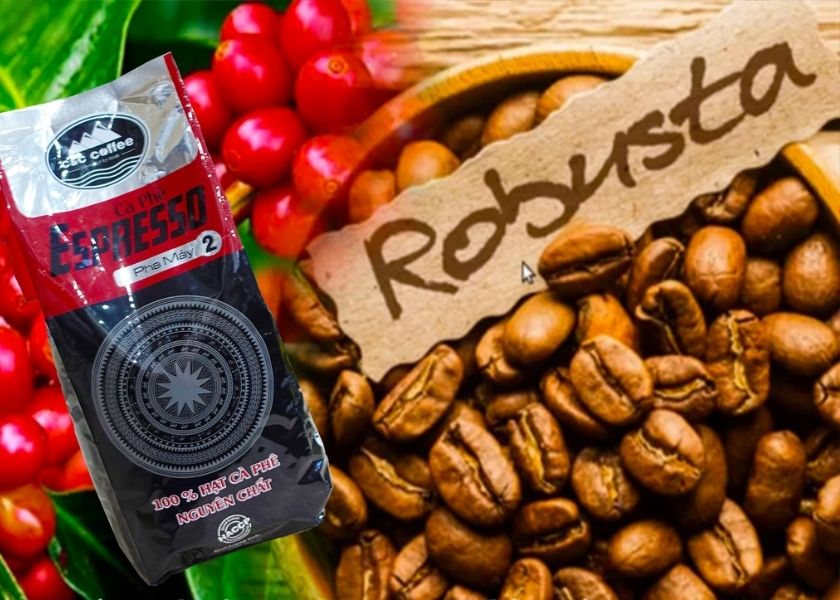
However, the landscape is shifting. In the misty highlands of Da Lat, a burgeoning Arabica (Coffea chè) scene is emerging. These beans offer floral aromas and citrus acidity. When sourcing, you must decide whether you want the adrenaline-fueled heaviness of a traditional Robusta or the nuanced elegance of a high-altitude Arabica.
>>> Read more: Vietnamese Robusta Coffee: The Secret to Italian Crema
The "Butter Roast" Secret: Why It Smells Like a Bakery
This is perhaps the most critical distinction that few buying guides address. The authentic "coffee shop smell" of Vietnam comes from a traditional processing method known as the Butter Roast. Historically, roasters would finish the beans in a wok with butter, salt, and occasionally whiskey or vanilla. This technique seals the bean to preserve freshness in the tropical heat and caramelizes the exterior, creating a savory, dessert-like richness.
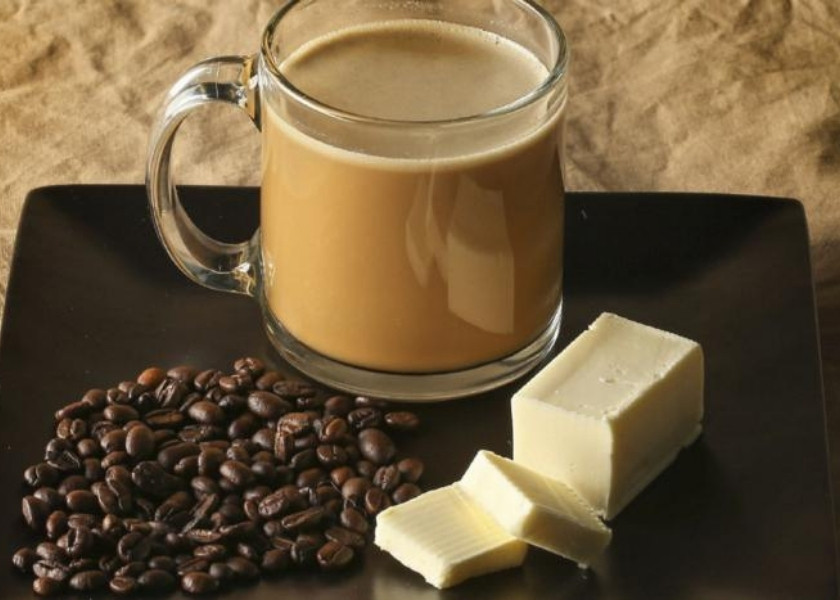
- The Caveat: While delicious, the oils can be hazardous to modern automatic grinders and often clog the burrs.
- The Alternative: The "New Wave" of specialty roasters has embraced the Natural Roast. This method avoids additives and relies solely on the quality of the bean. These beans are cleaner, safer for high-end equipment, and offer a transparent taste of the terroir.
Where to Buy Coffee Online (If You Are in the USA)
For the modern consumer who values organic farming and ethical sourcing, the landscape has changed dramatically. We are no longer limited to stale imports. A generation of Vietnamese-Americans is bringing fresh, high-quality beans directly to the Western market.
The "New Wave" Roasters: Freshness and Ethics
Nguyen Coffee Supply in Brooklyn, New York, stands at the forefront of this movement. They have effectively rebranded Robusta from a commodity to a specialty product. Their "Truegrit" line is a revelation: 100% Peaberry Robusta that is roasted fresh without additives. Purchasing here supports Direct Trade and ensures that farmers in Vietnam receive a fair wage.
.jpg)
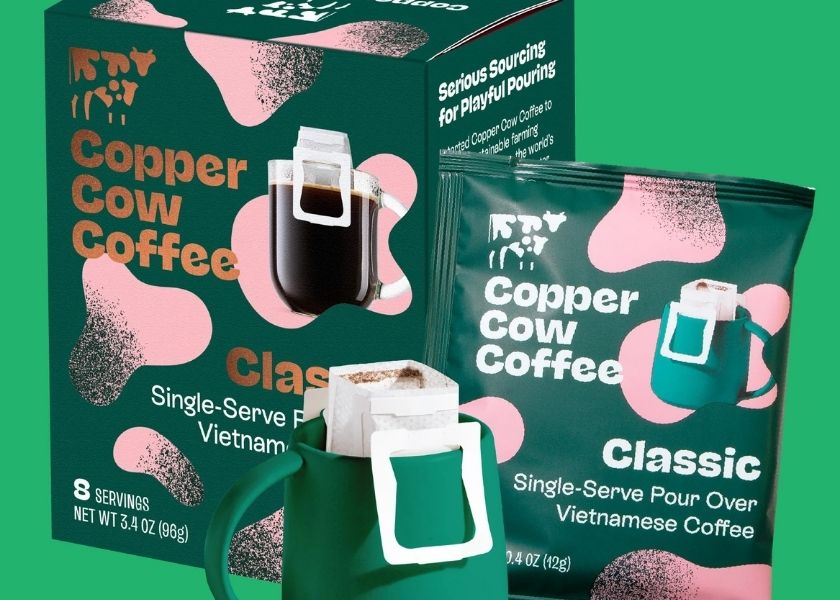
Copper Cow Coffee offers a different appeal. Known for their portable pour-over kits that include single-serve sweetened condensed milk, they provide an accessible entry point into Vietnamese coffee culture. While less purist than Nguyen Coffee Supply, their commitment to organic farming makes them a reliable option.
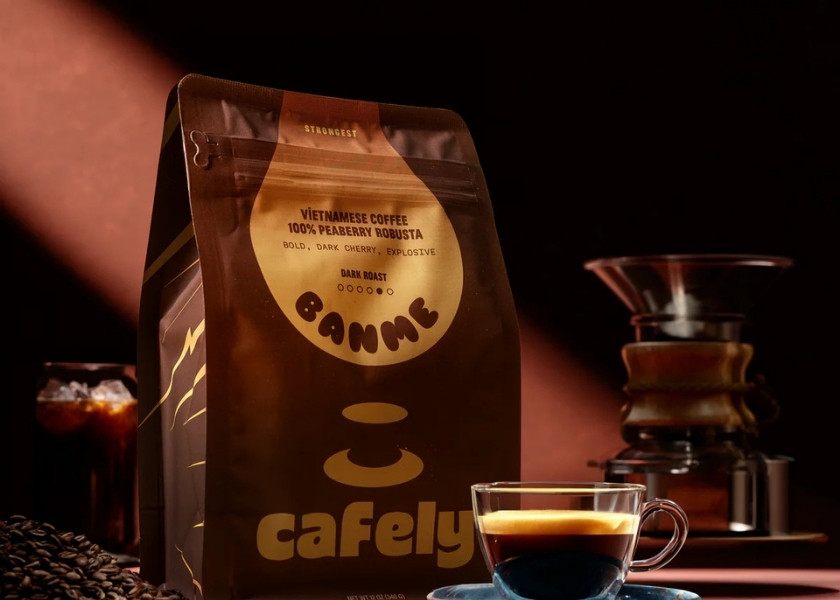
For those who want maximum intensity, Cafely markets itself as the high-octane choice. Their "HaNoi" blend is engineered for maximum caffeine and is often favored by athletes and programmers.
The Traditional Distributors: Nostalgia in a Bag
Some buyers are chasing a memory. They want the heavy, buttery taste of a sidewalk café in 1990s Saigon. For this, the traditional brands deliver.
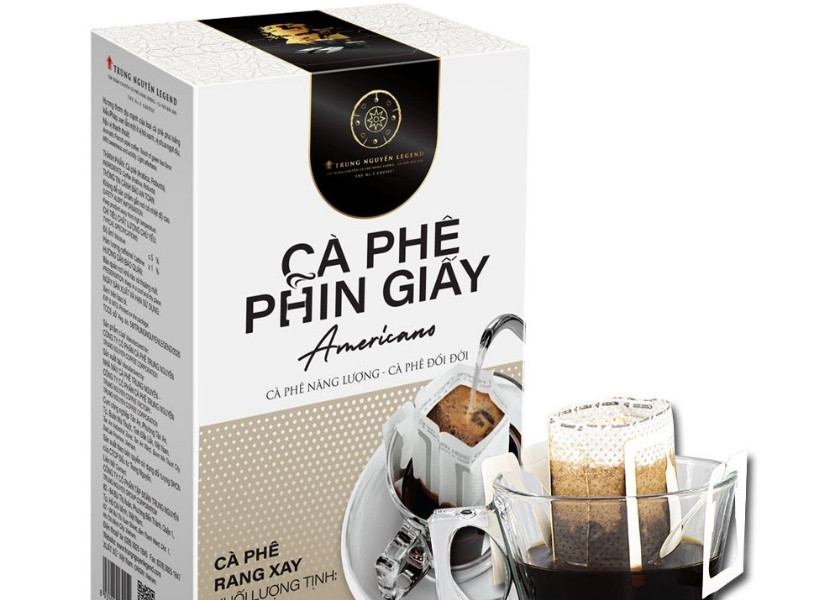
Trung Nguyen Legend remains the undisputed king of this segment. Their "Creative" (Sang Tao) series is the gold standard for a traditional Phin brew, dark and intensely aromatic. However, sourcing requires caution. Unauthorized Amazon sellers often stock expired products. It is safer to purchase through verified distributors such as Lens Coffee.
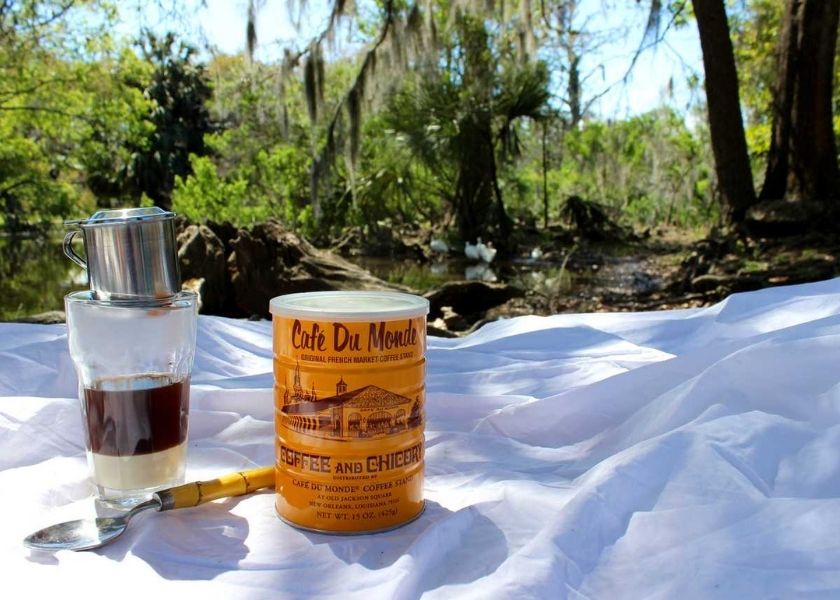
Cafe Du Monde also deserves mention. Although it is a French-Creole chicory blend from New Orleans, it became a staple among Vietnamese refugees in the United States. It mimics the heavy body of Robusta through roasted chicory root. If you are buying for a Vietnamese-American family member, they may prefer this taste for nostalgic reasons.
Where to Buy Coffee in Vietnam (The Best Local Spots)
If you are traveling in Vietnam, the experience changes entirely. You can bypass middlemen and purchase directly from artisans.
In Hanoi: The Capital of Culture
Within the Old Quarter, the Local Beans Roastery stands out for serious enthusiasts. This establishment specializes in Honey Processed Robusta roasted in small batches.
The Honey Process leaves the mucilage on the bean during drying, allowing natural sugars to ferment into the seed. The result is a black coffee with wine-like complexity and a clean, sweet finish. Buying here is an interaction with artisans who treat coffee with reverence.
In Ho Chi Minh City (Saigon): The Modern Hub
Shops like The Workshop and Shin Coffee embrace global specialty coffee techniques. Here you can find single-origin Arabicas brewed with V60 or Syphon methods. These cafés showcase Vietnam's engagement with international third-wave coffee culture.
In Da Lat: The Source
Da Lat offers a full farm-to-cup experience. Visiting plantations such as La Viet Coffee allows you to see the entire supply chain, from cherry picking to roasting. Buying here guarantees a level of freshness that exported beans cannot match.
Buying Guide: How to Choose the Right Bean for You
To make your decision easier, here is a simplified guide.
- Beginner: If you want to try Vietnamese coffee but are unsure where to start, avoid a 100% dark Robusta roast. Begin with a 50/50 Blend (often labeled "Loyalty" or "Morning Blend"). The Arabica softens the aggressive bite and creates a smooth, chocolatey profile.
- Hardcore Caffeine Seeker: Skip the blends and go straight for 100% Peaberry Robusta (often labeled "Culi"). Peaberries are dense, round beans that deliver a stronger flavor and higher caffeine. Brands like Cafely or Trung Nguyen Creative 1 are ideal.
- Purist: If you drink your coffee black, avoid butter-roasted beans because they can leave an oily film and a harsh aftertaste without condensed milk. Instead, choose Honey Processed or Natural Processed beans from specialty roasters such as Nguyen Coffee Supply or the Local Beans Roastery in Hanoi.
.jpg)
What Should You Expect to Pay?
One of the best things about Vietnamese coffee is the value. You get world-class flavor without the luxury markup.
- In Vietnam (Local Roasters): Expect to pay around 200,000 to 300,000 VND ($8 - $12 USD) for a 500g bag of high-quality, freshly roasted Robusta. Specialty Arabica will cost a bit more, perhaps up to 400,000 VND ($16 USD).
- In the USA (Imported/Local Roast): Prices are higher due to shipping and fair wages. A 12oz (340g) bag from premium roasters like Nguyen Coffee Supply typically runs between $16 and $20 USD.
- Budget Option: Mass-market bags like Trung Nguyen or Cafe Du Monde are very affordable, often costing less than $10 USD per tin at Asian supermarkets.
- My Take: Don't be afraid to spend a few extra dollars for the specialty stuff. The difference in taste and the impact on the farmers' lives is worth every penny.
How to Choose the Right Bag (Quick Tips)
Don't get overwhelmed by the labels. Here is your cheat sheet.
- Check the Roast Date: Coffee starts losing flavor after a month. If the bag doesn't have a roast date, put it back.
- Whole Bean is Better: I know grinding is a hassle, but pre-ground coffee loses its aroma in days. Buy whole beans and grind them fresh.
- Watch out for "Weasel" Coffee: You will see "Weasel" or "Civet" coffee everywhere. 99% of it is fake. It is just chemical flavoring or unethical. Save your money and buy a high-quality Fine Robusta instead.
Ultimately, buying Vietnamese coffee is a journey through contrast. Whether you choose the nostalgic richness of a butter roast or the clean intensity of a modern organic bean, you are joining a culture that values strength, patience, and the joy of the slow drip.
>>> Related articles: