

.svg)


What is Vietnamese Salted Coffee? A Flavor Revelation
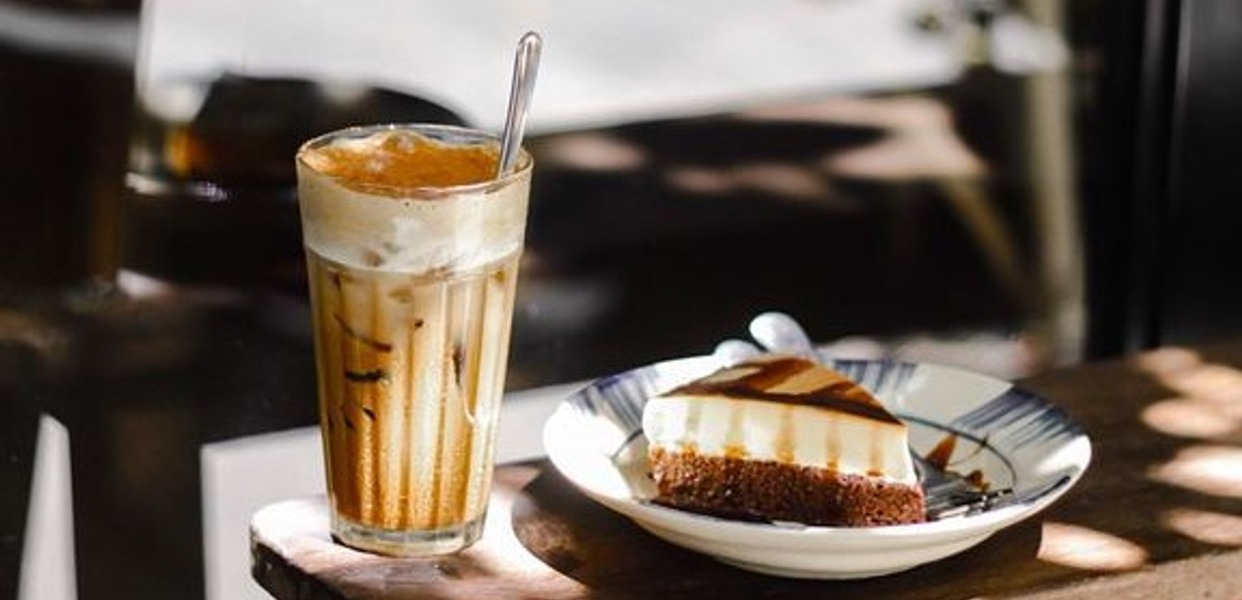
Vietnamese Salted Coffee (Cà Phê Muối) is a unique coffee creation from Hue, Vietnam, that combines strong phin-brewed coffee with sweetened condensed milk and a fluffy, savory salted cream topping. This isn't just coffee with salt thrown in; it's a carefully constructed beverage where each layer plays a crucial role. The salt expertly cuts the bitterness of the robusta coffee and enhances the sweetness, creating a perfectly balanced and addictive drink.
Think of it as a culinary science experiment in a glass. The sodium ions in the salt actually bind to your taste receptors, suppressing the perception of bitterness. This allows the other flavors—the deep, chocolatey notes of the coffee and the rich sweetness of the condensed milk—to shine through more vibrantly. The result is a drink that's simultaneously complex and incredibly smooth.
- Key Components: The foundation is a strong, dark-roast Robusta coffee, traditionally brewed using a Vietnamese phin filter. This yields a thick, intense espresso-like shot. The base layer is sweetened condensed milk, a staple in Vietnamese coffee culture. The star of the show is the whipped topping, a savory-sweet foam made from heavy cream and a precise amount of salt.
- Flavor Profile: Prepare for a harmonious blend of bold, bitter, sweet, and savory. The first sip introduces the salty, airy cream, followed by the intense coffee, and finishing with a sweet, lingering caramel note from the condensed milk. It’s a full-bodied experience that engages the entire palate.
- Origin: This modern classic hails from Hue, the former imperial capital of Vietnam, a city renowned for its refined and sophisticated culinary heritage.
.jpg)
The Origin Story: Where Did Salted Coffee Originate in Vietnam?
Unlike the century-old Egg Coffee of Hanoi, Salted Coffee is a relatively modern classic. It was born around 2010 in a small, nameless garden cafe on Dien Bien Phu Street in Hue. The owners wanted to create a signature drink that reflected the sophisticated yet humble soul of the ancient capital. In Hue, flavors are often balanced with extreme precision - the "mặn mà" (bold/savory) quality is highly prized. Salted coffee quickly transitioned from a local secret to a national phenomenon, as travelers realized that the salt perfectly tempered the legendary "punch" of Vietnam’s high-caffeine Robusta beans.
📌 Local Expert Tip:
While many cafes across Vietnam now serve their version, the original spots in Hue maintain a specific flavor balance that's hard to replicate. Locals argue that the mineral content of the water in Hue and the locally sourced coffee beans contribute to a unique, inimitable taste. For a true pilgrimage, you have to try it at its source.
.jpg)
How to Make Authentic Cà Phê Muối at Home (The Only Recipe You Need)
Ingredients & Equipment (For 1 Serving)
Precision is key to achieving the perfect balance. Using the right type of coffee and chilling your cream are non-negotiable steps for an authentic result. We've listed everything you'll need below with no ambiguity.
- For the Coffee:
- Coffee: 25g (approx. 3 tbsp) of a dark roast, finely ground Robusta coffee. The quintessential choice is Trung Nguyên, but Cafe Du Monde (a chicory blend) is a widely available and excellent substitute.
- Hot Water: 100 ml of water just off the boil (around 96°C / 205°F). Boiling water can scorch the grounds, creating excess bitterness.
- Sweetened Condensed Milk: 20 ml (approx. 1.5 tbsp). Longevity brand (Sữa Ông Thọ) is the gold standard in Vietnam.
- For the Salted Cream Foam:
- Heavy Whipping Cream: 50ml, thoroughly chilled. Cold cream whips up much faster and holds its structure better.
- Sea Salt: 2g (approx. ¼ tsp). Avoid iodized table salt, as it can have a metallic taste. Fine sea salt dissolves better.
Equipment:
- Vietnamese Phin Filter (standard 4 oz size)
- A clear, heat-proof glass for serving (so you can see the beautiful layers)
- A small bowl and a handheld milk frother (an immersion blender or a simple whisk and some elbow grease also work)
Step-by-Step Brewing Instructions
Follow these steps closely to layer the flavors perfectly. The slow drip of the phin is a moment of patience and anticipation, essential to the ritual of making Vietnamese coffee. Don't rush the process.
- Prepare the Base: Pour the 20 ml of sweetened condensed milk into your serving glass. This sweet, dense layer will form the foundation of your drink.
- Brew the Coffee: Place the phin filter chamber directly on top of the glass. Add your 25g of coffee grounds and give it a gentle shake to level them. Place the filter screen (the small, perforated disc) on top and press down gently but firmly.
- Bloom and Brew: Start by "blooming" the coffee. Slowly pour about 20 ml of hot water over the screen, just enough to wet all the grounds. Wait for 30-40 seconds. You'll see the grounds expand as they release CO2. Now, slowly pour the remaining 80 ml of water. Cover with the phin's lid and let it drip. The perfect drip should take about 4-5 minutes.
- Make the Salted Cream: While your coffee is patiently dripping, it's time to make the magic topping. In your small bowl, combine the 50 ml of cold heavy cream and the ¼ tsp of sea salt. Use your milk frother to whip the mixture until it forms soft peaks - it should be thick enough to spoon but still pourable. Be careful not to over whip, or you’ll start making salted butter!
- Assemble the Drink: Once the coffee has completely dropped through, remove the phin filter. You'll see a layer of intense black coffee sitting atop the condensed milk. Gently and slowly pour the salted cream foam over the coffee. It should float, creating a stunning third layer.
- Serve and Enjoy: Serve immediately. Instruct the drinker to stir everything together thoroughly before taking the first sip, ensuring all three layers combine into one perfect, harmonious flavor. For an iced version (Cà Phê Muối Đá), simply pour the finished mixture into a separate glass full of ice.
3 Common Mistakes
- Using iodized table salt → metallic aftertaste
- Over Whipping cream → turns buttery
- Using light-roast Arabica → lacks signature punch
- How to Make Vietnamese Salted Coffee at Home
.jpg)
The Ultimate Cafe Guide: Best Salted Coffee in Vietnam
1. Hue (The Birthplace)
Going to Hue for Cà Phê Muối is a pilgrimage. This is where it all started, and the local spots offer an unparalleled level of authenticity. Here, the drink is less of a trend and more a part of the daily fabric of life.
- Cà Phê Muối Chú Long (Original)
- Address: 142 Dang Thai Than, Thuan Hoa, Hue
- Estimated Price: 20,000 - 30,000 VND
- Vibe / Best time to go: Extremely local, no-frills, and deeply authentic. This is a simple garden-style cafe with plastic stools and a focus solely on the coffee. Go in the early morning (7-9 AM) to watch the city wake up alongside neighborhood regulars. It’s not about aesthetics; it’s about tasting history.
- Tan Cafe
- Address: 14 Pham Hong Thai, Vinh Ninh, Hue
- Estimated Price: 40,000 - 60,000 VND
- Vibe / Best time to go: A modern, specialty coffee shop with a cosmopolitan feel. Their take on salted coffee is slightly more refined, often using single-origin beans. It's the perfect spot for an afternoon break from sightseeing, offering a serene and air-conditioned environment.
.jpg)
2. Hanoi
The capital has embraced the salted coffee trend with enthusiasm, offering chic cafes with stunning views. While not the birthplace, Hanoi's coffee scene has added its own signature touch to the drink.
- Gat Tan Coffee
- Address: 114 Tran Vu, Ba Dinh, Ha Noi
- Estimated Price: 45,000 - 65,000 VND
- Vibe / Best time to go: This trendy spot boasts a beautiful lakeside view, making it extremely popular with young locals and expats. The atmosphere is vibrant and busy. Go just before sunset for a spectacular view over Truc Bach Lake while you sip your coffee.
.jpg)
3. Ho Chi Minh City (Saigon)
In the bustling southern metropolis, salted coffee has been adapted to suit the fast-paced, trend-conscious urbanite. Here you'll find dedicated shops and rooftop cafes putting their own spin on the Huế classic.
- Muoi Coffee
- Address: 111 Nguyen Thien Thuat, District 3, HCMC
- Estimated Price: 50,000 - 70,000 VND
- Vibe / Best time to go: As the name suggests, this is a dedicated salt coffee shop offering many variations, including flavors like salted caramel or pandan. It's a modern, efficient space that's always busy. It’s an ideal choice for a quick, high-quality coffee fix anytime during the day.
- PO CAFÉ
- Address: Floor 8, 42 Nguyen Hue, District 1, HCMC
- Estimated Price: 60,000 - 85,000 VND
- Vibe / Best time to go: Located inside the famous 'cafe apartment' building, this rooftop spot is all about the experience. The coffee is good, but the main draw is the imposing view over the Nguyen Hue walking street. Go in the evening to see the city lights sparkle. It's less about pure authenticity and more about a memorable Saigon moment.
.jpg)
Vietnamese Salted Coffee is not a social media novelty - it’s a modern expression of Hue’s refined culinary philosophy. From a small café in Hue to cafés across the country, it has become a symbol of Vietnam’s evolving coffee culture. If you want to experience Vietnamese coffee beyond the classic iced milk coffee, this is the drink to master.
Sometimes, a small pinch of salt is all it takes to transform everything.
FAQ: Answering Your Top Questions about Cà Phê Muối
What's the difference between salted coffee and regular Vietnamese coffee?
Many people wonder if this is just a minor variation, but the difference is significant. The primary distinction is the addition of a savory, fluffy salted cream foam in salted coffee, which is completely absent in regular Vietnamese iced coffee (cà phê sữa đá) or Egg Coffee. This one component fundamentally changes the drink's texture and flavor profile.
Feature Salted Coffee (Cà Phê Muối) Egg Coffee (Cà Phê Trứng) Brown Coffee (Cà Phê Nâu) Origin Hue (Central Vietnam) Hanoi (North Vietnam) Nationwide Vibe Savory-Sweet & Modern Rich & Dessert-like Bold & Traditional Texture Airy, Whipped Cream Custard-like, Thick Syrupy, Intense Key Ingredient Sea Salt & Heavy Cream Egg Yolks & Honey Condensed Milk Only Best For Mid-morning refreshment Late-night dessert A morning wake-up call
Can I make it vegan?
Worried about missing out due to dietary restrictions? Don't be. A creamy and delicious vegan version is entirely possible, and it fills a major content gap from our competitors. This plant-based twist offers its own unique, delightful flavor profile.
Simply swap the dairy components for coconut-based alternatives. The process remains exactly the same. Use 20 ml of condensed coconut milk for the sweet base. For the topping, whip 50 ml of chilled, full-fat coconut cream (the thick part from a can of coconut milk) with the salt. The result is a wonderfully creamy and tropical twist on the classic, with a subtle coconut aroma that pairs beautifully with the robust coffee.
Is Vietnamese salted coffee served hot or cold?
It can be served and enjoyed both ways, and your choice depends on the experience you're seeking. While the iced version (Đá) is far more popular across the country, especially given Vietnam's tropical climate, it’s not the only way.
The original way to enjoy it in Huế, particularly on a cooler morning, is often hot (Nóng). The hot version allows the flavors to meld together more intensely, creating a cozier, more robust beverage. The salted cream melts slowly into the hot coffee, creating a rich, velvety consistency from top to bottom. The iced version, on the other hand, is more refreshing and highlights the distinct layers for a longer period.
.jpg)
💡Explore more: