
.svg)

- What is Vietnamese Weasel Coffee (Cà Phê Chồn)?
- Why is Weasel Coffee So Expensive?
- Is Your Vietnamese Weasel Coffee Real or Fake? How to Tell
- The Ethical Guide to Civet Coffee: How to Avoid Cruelty
- Where to Buy & Taste Authentic Vietnamese Weasel Coffee
- How to Brew Vietnamese Weasel Coffee with a Phin Filter
- Your Top Questions About Kopi Luwak Vietnam
What is Vietnamese Weasel Coffee (Cà Phê Chồn)?
At its core, Vietnamese Weasel Coffee is a product of natural alchemy, a unique collaboration between a small mammal and a coffee cherry. This section breaks down exactly what defines this luxurious brew and the meticulous, multi-stage process required to transform a wild dropping into a world-class cup of coffee.
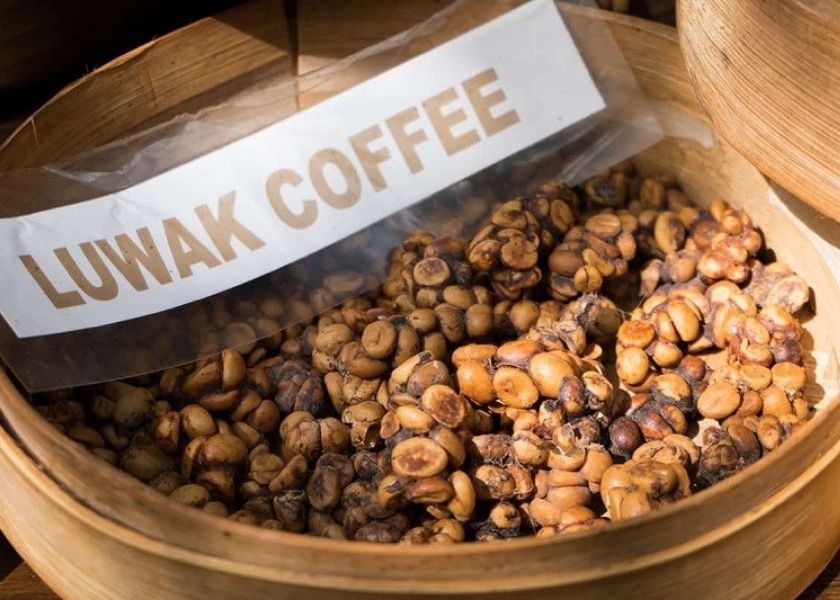
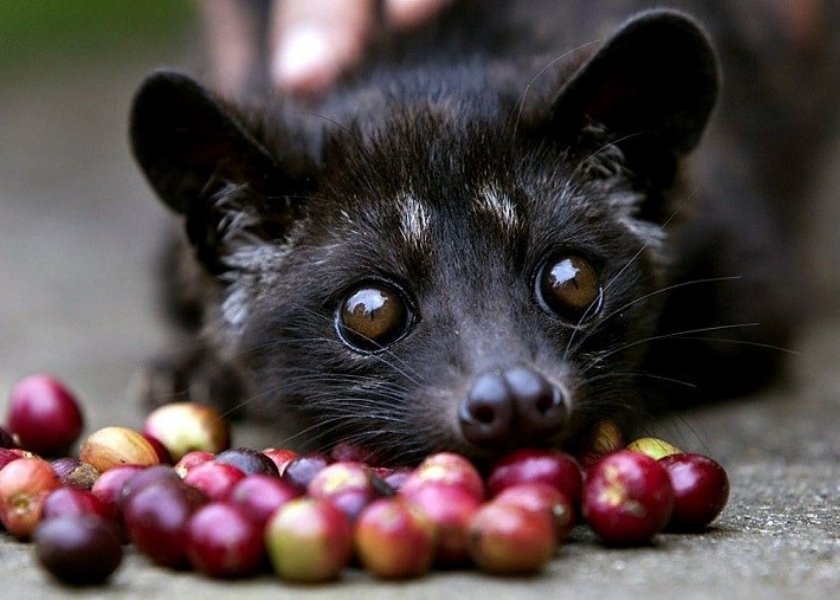
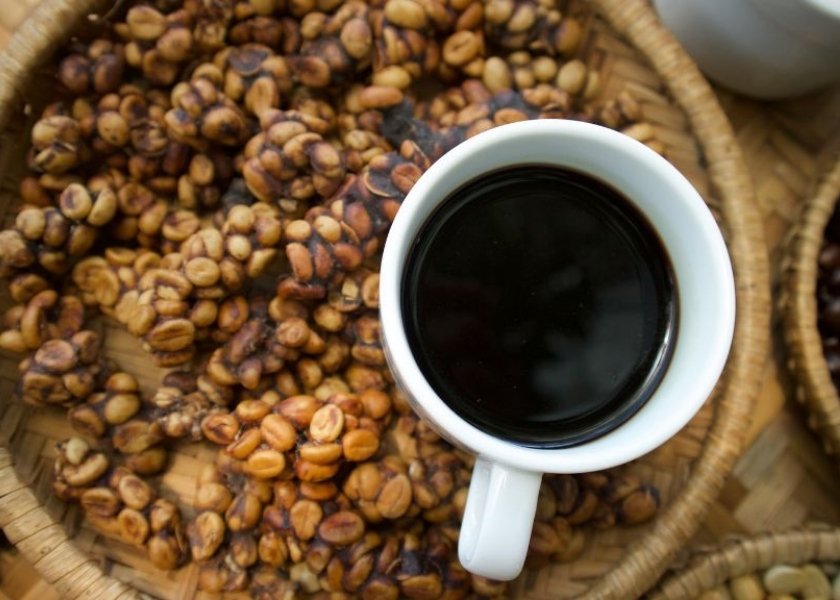
Vietnamese weasel coffee, or Cà Phê Chồn, is a rare coffee made from beans that have been eaten and defecated by the Asian Palm Civet. You read that right. This small, cat-like creature, known locally as the *chồn*, is a key player in creating one of the world's most sought-after beverages. The civet's digestive enzymes ferment the beans, breaking down the proteins that cause bitterness. This natural processing results in a uniquely smooth, less acidic, and remarkably complex flavor profile that simply cannot be replicated by artificial means.
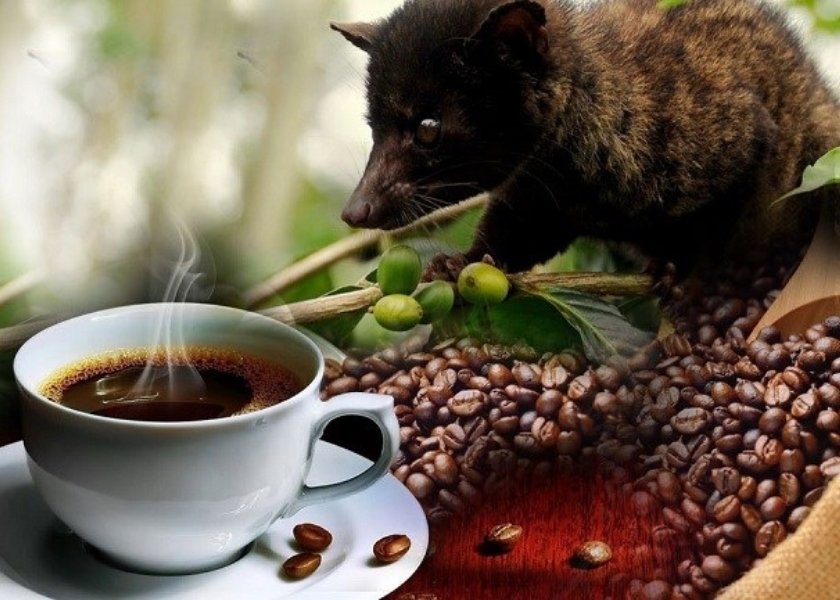
The journey from cherry to cup is one of patience and precision. Here is the step-by-step process:
- Selection: The process begins in the highlands of Vietnam, where wild civets roam free. These animals are discerning connoisseurs, using their keen sense of smell to select and eat only the ripest, sweetest, and highest-quality coffee cherries. This natural selection is the first, crucial step in ensuring a superior final product.
- Digestion & Fermentation: This is where the magic happens. As the coffee cherries pass through the civet's digestive tract, unique enzymes and acids penetrate the beans. This biological process, known as enzymatic fermentation, alters the beans' chemical structure, reducing acidity and bitterness while enhancing their inherent aromatic compounds.
- Collection: After digestion, the beans are excreted in clumps or "scat." Coffee farmers and collectors then painstakingly track the civets through the forest to locate and gather these droppings. This is a labor-intensive and challenging task, contributing significantly to the coffee's rarity.
- Cleaning & Processing: The collected droppings undergo a meticulous and rigorous cleaning process. The beans are thoroughly washed multiple times to remove any residue, then carefully dried in the sun. Once dried, the thin outer parchment layer is removed by hand, revealing the precious green bean within.
- Roasting: The final stage is a delicate roast. A master roaster must handle these unique beans with care, applying a specific heat profile to unlock their complex flavors without overpowering the subtle nuances created during fermentation. This requires a deep understanding of the coffee's unique properties.
Why is Weasel Coffee So Expensive?
The staggering price tag of Cà Phê Chồn often raises eyebrows, but it's a direct reflection of its incredible rarity and the painstaking labor involved in its production. The high cost is not a marketing gimmick; it's a consequence of a supply chain dictated by nature, demanding immense human effort for a very small yield of this unique coffee.
The high price of authentic weasel coffee is driven by a combination of extreme rarity, an exceptionally labor-intensive collection process, and the unique, sought-after flavor imparted by the civet's natural fermentation. Unlike mass-produced coffee, every single bean of wild Cà Phê Chồn represents a significant investment of time and effort.
- Limited Supply: A single wild civet produces an incredibly small amount of usable coffee beans annually. The global supply of authentic, wild-collected beans is estimated to be less than 500 kilograms per year, making it one of the rarest commodities on earth.
- Intensive Labor: Imagine searching acres of dense forest floor for small animal droppings. That's the reality for collectors. Locating and gathering the scat in the wild is physically demanding, time-consuming, and requires deep local knowledge of the civets' habits and territory.
- Quality Control: The post-collection process is just as demanding. Every bean is washed, sorted, and inspected by hand. This artisanal approach ensures that only the best, perfectly intact beans make it to the roaster, but it's a process that cannot be automated.
- High Demand: Its legendary status as a luxury good, combined with its genuinely unique taste profile, creates a high demand among coffee aficionados and curious travelers worldwide. This global demand for a minuscule supply naturally drives the price up.
To help you understand the market, here is a breakdown of the estimated prices for different types of weasel coffee.
| Coffee Type | Estimated Price per Kilogram | Price per Cup (in Vietnam) |
|---|---|---|
| Wild, Ethically Sourced | $1,500 - $3,500+ | ~1,000,000+ VND ($40+) |
| Reputable Farmed Civet | $500 - $1,000 | ~300,000 - 600,000 VND ($12 - $24) |
| Enzyme-Simulated ('Legendee' Style) | $50 - $150 | ~90,000 - 200,000 VND ($3.50 - $8) |
| Tourist Cafe Blend (Often Fake) | Varies Wildly | 150,000 - 500,000 VND ($6 - $20) |
Is Your Vietnamese Weasel Coffee Real or Fake? How to Tell
Navigating the market for Cà Phê Chồn can be treacherous, as the high price attracts a flood of counterfeit and misleading products. The unfortunate truth is that a significant portion of what's labeled as "weasel coffee," especially in tourist-heavy areas, is not the real deal.
Much of the 'weasel coffee' sold in tourist areas is fake or a lower-quality, enzyme-simulated version. Real, wild civet coffee is exceptionally rare and its price reflects that. If you see it being sold cheaply or in large quantities, you should be immediately skeptical. Understanding the three main categories of products sold under this name is the first step to becoming an informed buyer.
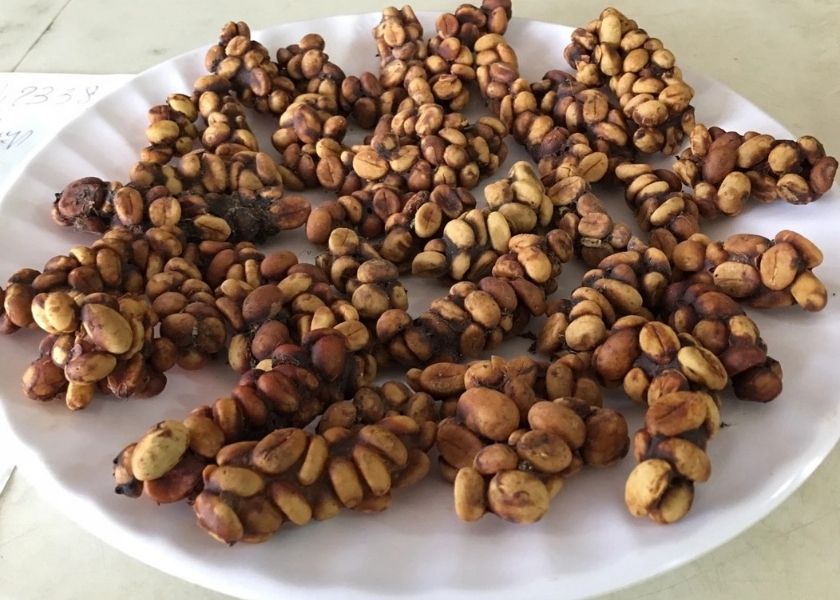
The 3 Types of 'Weasel Coffee' You'll Find:
- Type 1: Authentic Wild Kopi Luwak. This is the pinnacle. The beans are collected from the droppings of wild civets living freely in their natural habitat. This is the rarest, most expensive, and most ethically sound version of the coffee. Its flavor is unparalleled due to the civet's diverse natural diet.
- Type 2: Farmed Civet Coffee. In this model, civets are kept in enclosures on farms and fed a diet that includes coffee cherries. The quality and ethics of this type vary dramatically. Some farms offer large, semi-wild enclosures, while many others keep animals in small, barren cages in cruel conditions. The quality is often inferior to wild coffee as the civets' diet is restricted.
- Type 3: Enzyme-Processed Beans. This is a modern, scientific approach that mimics the civet's digestion. Coffee beans are treated with a synthetic enzyme solution to break down proteins. This is what major brands like Trung Nguyen's famous *Legendee* coffee use. It's a legitimate, high-quality coffee product in its own right, but it is **not** real weasel coffee and should not be marketed as such.
📌 Good to know:
If a price seems too good to be true (e.g., $10 for a 100g bag), it is 100% not authentic wild civet coffee. Most likely, it's a regular Robusta bean blend with artificial flavoring or an enzyme-processed product that has been dishonestly mislabeled to trap tourists. Trust your instincts.
The Ethical Guide to Civet Coffee: How to Avoid Cruelty
The global demand for weasel coffee has unfortunately created a dark side: the rise of unethical factory farms where animal welfare is sacrificed for profit. As a conscious consumer, you have the power to support humane practices. This guide provides an actionable checklist to help you make a responsible and compassionate choice.
The grim reality is that many so-called "civet farms" are cruel operations. Civets are often captured from the wild and kept in tiny, unsanitary battery cages. They suffer from stress, malnutrition from a forced diet of only coffee cherries, and exhibit painful neurotic behaviors. Supporting these businesses perpetuates a cycle of animal cruelty. However, by asking the right questions and looking for specific signs, you can avoid these tourist traps and seek out truly ethical producers.
Checklist for Spotting Ethical Weasel Coffee Farms:
- ✅ Ask 'Wild or Farmed?': This is your first and most important question. A truly ethical producer of wild-collected coffee will be proud and transparent about their methods. If they say 'wild', ask them to describe the collection process. If they are evasive, it's a bad sign.
- ✅ Look for 'Cage-Free' or 'Wild-Sourced' Certification: While still uncommon in Vietnam, some producers are starting to seek out certifications that guarantee their coffee is sourced without harming animals (e.g., Gayo Lues Kopi Luwak from Indonesia is a model). The presence of such a label is a strong positive indicator.
- ❌ Red Flag: Seeing Caged Civets: This is the most obvious warning sign. If you visit a coffee plantation or shop and see civets confined in small, barren cages, this is an unethical factory farm. The animals are there for show. **Do not buy coffee from these places.**
- ✅ Observe the Animals (If Farmed): If a farm claims to be 'ethical', evaluate the conditions yourself. Are the enclosures large and enriched with foliage and climbing structures? Do the animals look healthy, well-fed, and have space to roam and behave naturally? Ethical sanctuaries prioritize animal welfare over mass production.
- ❌ Red Flag: Unbelievably High Volume: An ethical producer, whether wild-sourcing or running a small, welfare-focused farm, simply cannot have tons of coffee readily available. True Cà Phê Chồn is a product of scarcity. A shop with stacks and stacks of "weasel coffee" is a major red flag.
Where to Buy & Taste Authentic Vietnamese Weasel Coffee
Finding authentic Cà Phê Chồn requires knowing where to look. Instead of falling for tourist traps in main city centers, you should go to the source or visit highly reputable cafes known for their quality. This map will guide you to vetted locations where you can have a genuine and often educational experience.
1. The Central Highlands (Da Lat & Buon Ma Thuot) - The Source
This region is the heartland of Vietnamese coffee production. Visiting a farm here offers a true "bean-to-cup" experience, allowing you to see the process firsthand and engage directly with the producers. It's your best chance to find ethically sourced beans.
- K'Ho Coffee Farm (Da Lat): This is more than just a farm; it's a social enterprise cooperative that focuses on ethical, sustainable practices with the local K'Ho indigenous people. While their primary focus is high-quality Arabica, they sometimes have extremely small, special batches of wild-sourced weasel coffee. A visit here is an authentic, educational, and community-focused experience.
- ⚠️ HARD DATA: Address: Lát, Lạc Dương District, Lam Dong Province. Price: Varies based on availability, you must inquire directly. Vibe: Authentic, educational, community-focused.
- Trại Hầm Chồn (Da Lat): A more commercially-known farm where you can see the civets and learn about the production process. This is a good opportunity to put your knowledge to the test. Use the ethical checklist from the section above to evaluate their practices for yourself before deciding to purchase.
- ⚠️ HARD DATA: Address: Hẻm 135 Hoàng Hoa Thám, Ward 10, Đà Lạt. Price: Approx. 300,000 - 500,000 VND per cup. Vibe: Tourist-focused, educational.
2. Ho Chi Minh City & Hanoi - The Cafes
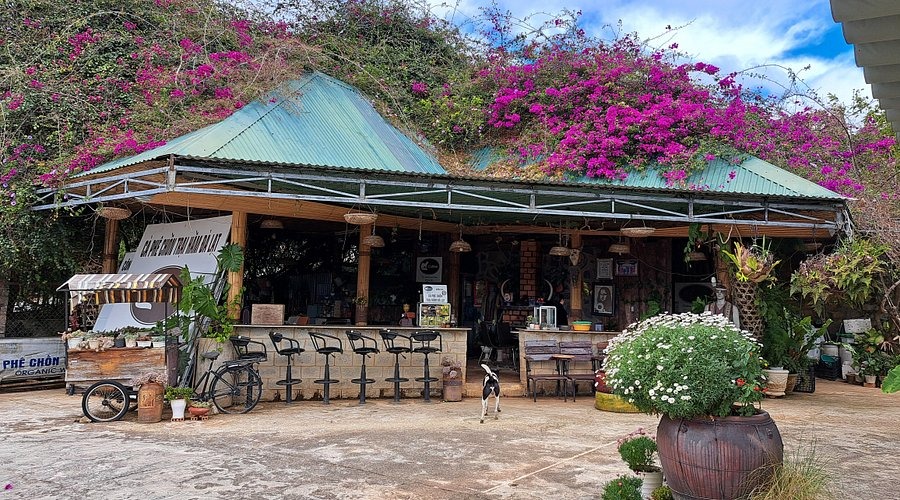
If you can't make it to the highlands, major cities still offer high-quality options, provided you know which cafes to trust. These establishments are known for their consistency and transparency.
- Trung Nguyên Legend Café (Nationwide): This is Vietnam's most famous and ubiquitous coffee brand. It is crucial to know that they specialize in the high-quality, **enzyme-simulated 'Legendee' coffee.** This is the perfect place to try a delicious and consistent alternative without any ethical concerns about animal welfare.
- ⚠️ HARD DATA: Address: Multiple locations across Vietnam. Price: Approx. 90,000 - 200,000 VND per cup. Vibe: Modern, reliable, a Starbucks-esque experience for Vietnamese coffee.

- Huong Mai Cafe (Hanoi): A long-standing and respected coffee seller located in the heart of Hanoi's Old Quarter. They cater to serious coffee buyers and often stock high-end beans, including Cà Phê Chồn. This is a place for a serious purchase, not just a casual cup. Be prepared to be critical, ask questions about their sourcing, and trust your gut.
- ⚠️ HARD DATA: Address: 58 P. Mã Mây, Hàng Buồm, Hoàn Kiếm, Hà Nội. Price: High-end, inquire for the current price per kg. Vibe: Traditional, for serious buyers and connoisseurs.
How to Brew Vietnamese Weasel Coffee with a Phin Filter
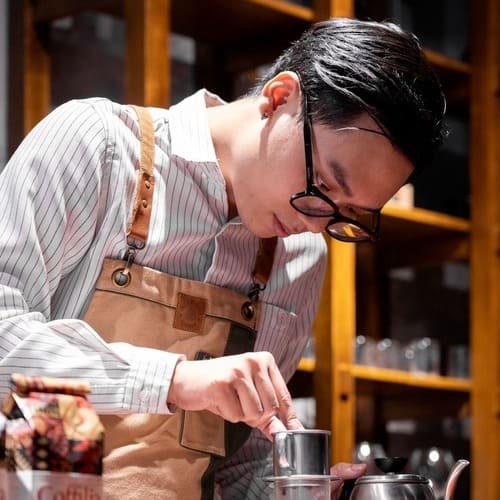
You’ve invested in one of the world's finest coffees; now you must brew it correctly to honor its unique character. The traditional Vietnamese *phin* filter is the perfect tool for the job. Its slow-drip method produces a robust, full-bodied cup that beautifully highlights the coffee's low acidity and complex flavor notes.
Don't waste these precious coffee beans with a rushed or improper brewing method! The key to a perfect cup is precision and patience. Using a phin filter will accentuate the coffee's signature syrupy body and deep, smooth taste. Here is the perfect recipe for one person.
- Heat Your Water: Bring fresh, filtered water to approximately 93°C (200°F). It's critical not to use boiling water, as it will scald the delicate grounds and introduce bitterness, ruining the coffee's smooth profile.
- Prepare the Phin: Add 20 grams (about 3 heaping tablespoons) of weasel coffee grounds into the phin filter chamber. Gently shake the phin to level the grounds, then place the metal screen press on top without compressing the coffee too hard.
- The Bloom: Place the phin over your glass or mug. Slowly pour in about 30ml of the hot water, just enough to completely saturate the grounds. Wait for 40 seconds. You will see the coffee grounds swell or 'bloom' as they release trapped CO2 – a sign of freshness.
- The Brew: After the bloom, slowly and evenly pour the remaining 90ml of water over the grounds. Place the lid on top of the phin to retain heat.
- Be Patient: The magic is in the slow drip. The coffee should drip steadily, not pour. The entire brewing process should take about 5 minutes. If it's too fast, you may need a finer grind; if it's too slow (or stalled), the grind is too fine or you compressed it too hard.
- Enjoy: Your patience is rewarded. First, sip the coffee black to fully appreciate its incredible smoothness and complex nuances. Then, if you prefer, you can add a small amount of sweetened condensed milk for the classic *cà phê sữa* experience.
Your Top Questions About Kopi Luwak Vietnam
The world of Cà Phê Chồn is filled with curiosity and questions. This final section directly addresses the most common queries, providing clear and concise answers to help you fully understand this remarkable coffee.
Is Kopi Luwak the same as Vietnamese Weasel Coffee?
Yes, they are essentially the same type of product, processed by the same animal (the Asian Palm Civet). The main difference lies in the name and origin. 'Kopi Luwak' is the more globally famous Indonesian name ('Kopi' for coffee, 'Luwak' for the civet). 'Cà Phê Chồn' is the Vietnamese name ('Cà Phê' for coffee, 'Chồn' for the civet). The final flavor profile can differ based on the terroir, the specific coffee varietals the civet eats (e.g., Vietnamese Robusta vs. Indonesian Arabica), and the civet's broader diet.
What does weasel poop coffee taste like?
Rest assured, it tastes nothing like poop! The beans are protected by a layer of parchment during digestion, and the subsequent meticulous washing and cleaning process removes any and all contaminants. Authentic weasel coffee is renowned for being incredibly smooth and velvety, with a near-total absence of acidity and bitterness. It often possesses a complex and robust flavor profile with notes described as earthy, syrupy, chocolaty, and sometimes carrying a hint of fruit or caramel. It is a uniquely clean and full-bodied tasting experience.
💡Explore more: