

.svg)


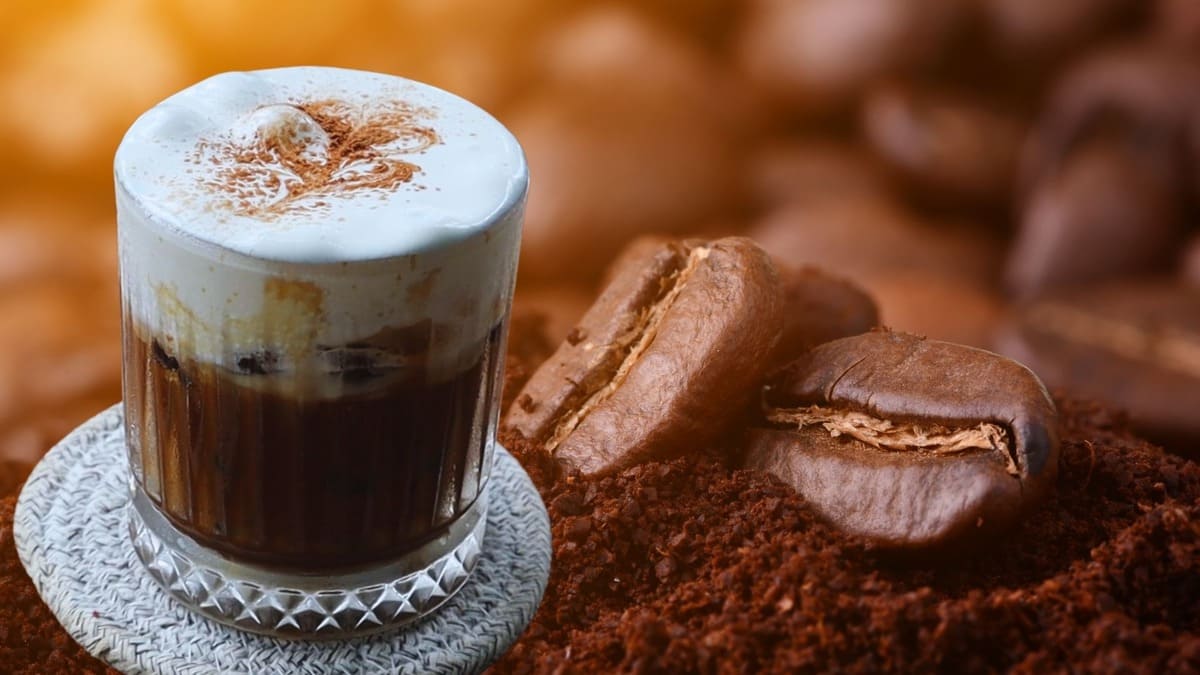
What is Cà Phê Muối? (It’s Not Just "Salty Coffee")
If Hanoi has Egg Coffee (the rich, custard-like "King" of the North), then Hue has Salt Coffee, the charming, refreshing "Prince" of Central Vietnam.
Born in a humble garden café in the imperial capital about a decade ago, Cà Phê Muối reflects the soul of Hue: slower, deeper, and full of contrast.
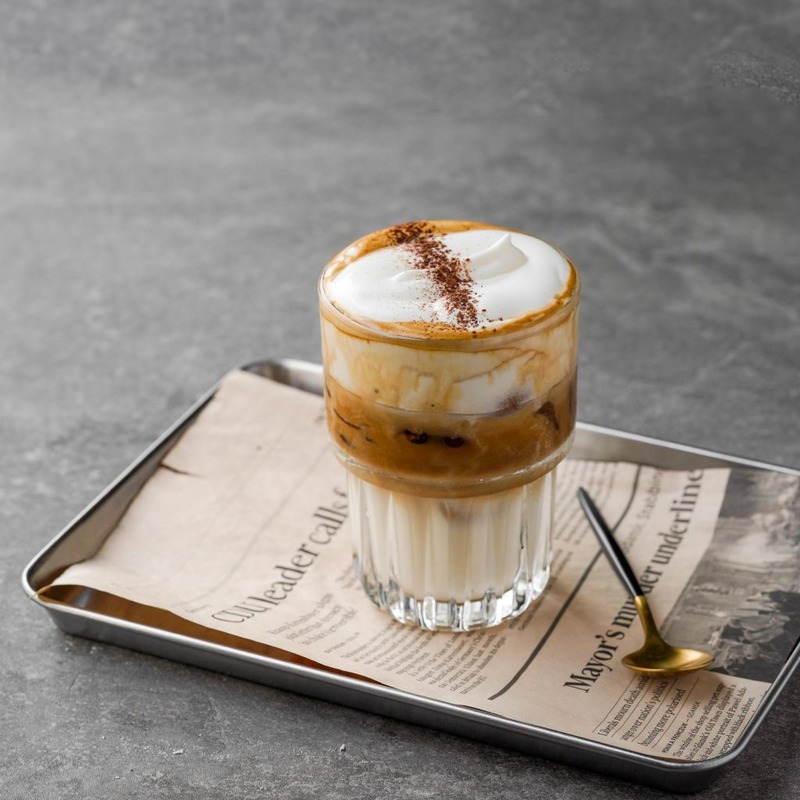
Unlike a Western Salted Caramel Latte where syrup does the heavy lifting, Vietnamese Salt Coffee relies on a structural contrast:
- The Foundation: A concentrate of strong Vietnamese coffee (Phin brew) + condensed milk.
- The Cloud: A layer of heavy cream whipped with sea salt.
The Culinary Science (Why It Works)
Why does salt make coffee taste better? It’s not magic; it’s biology. Sodium ions bind to the salt receptors on your tongue, which has a secondary effect: they suppress your bitterness receptors. When the harsh bite of caffeine is blocked, your brain suddenly perceives the hidden chocolate, nutty, and caramel notes of the Robusta bean much more intensely.

The "Souvenir Problem": Why Your Home Brew Fails?
(Roastery’s Insight)
We see this all the time. You find a recipe online. You use a high-quality Arabica bean or a supermarket blend. You make the foam. You drink it... and it tastes wrong. It tastes greasy, or the coffee disappears under the cream.
Here is the Roaster’s Truth: The salted foam is heavy (high fat content). To support that weight and cut through the richness, you need a coffee bean with massive body and low acidity.
- The Mistake: Using Arabica (Light/Medium roast). Its acidity clashes with the salt, creating a sour, curdled taste.
- The Fix: You must use Vietnamese Robusta.
- Our Recommendation: The Local Beans Roastery Signature Blend is roasted to a specific "Dark-Medium" profile. It provides the "spine" that this drink requires to stay authentic.
The Master Class: Authentic Hue-Style Salt Coffee Recipe
Forget the "hacks" using instant coffee. We are doing this the traditional way.
- Prep Time: 8 Minutes
- Difficulty: Easy (with attention to detail)
- Calories: ~350 kcal (An indulgence, not a diet drink!)
The Setup (Equipment & Ingredients)
- The Tool: A Stainless Steel Phin Filter (The icon of Vietnamese slow coffee).
- The Coffee: 20g Local Beans Roastery Robusta (Medium-fine grind).
- The Sweetener: 25ml Sweetened Condensed Milk (Vinamilk or Ong Tho style).
The "Cloud" Ingredients
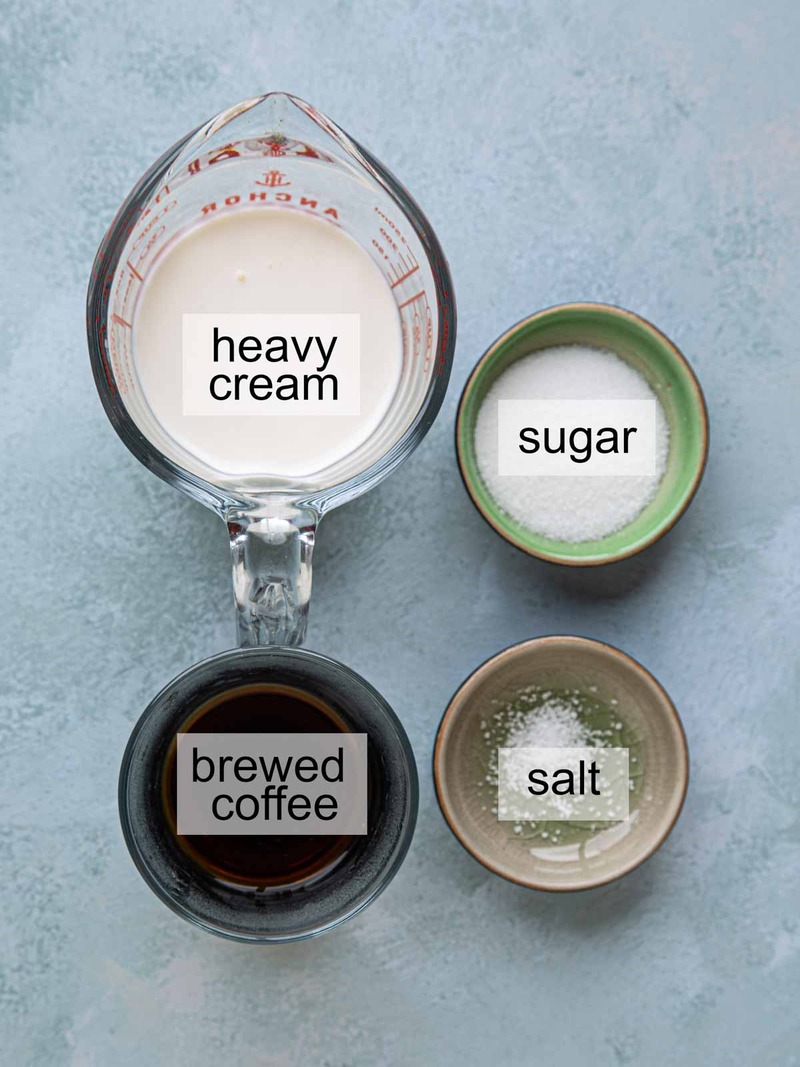
- 50ml Heavy Whipping Cream (35%+ fat).
- Crucial: 1/4 tsp Sea Salt (Do not use Iodized table salt—it tastes metallic).
- Secret Touch: A tiny drop of condensed milk added to the cream for stability.
- Ice: Plenty of it.
But the real star is the dark cup of Local Beans Roastery Robusta.
Step-by-Step Instructions
1. The "Phin" Ritual
Pour the condensed milk into your glass. Add the coffee to the Phin chamber and gently place the metal press on top.
- Bloom: Pour 20ml hot water (95°C). Wait 30 seconds. This releases CO2 and aromas.
- Extract: Fill with 40ml hot water. Cover and watch it drip. This slow extraction creates the thick, oil-rich base we need.
2. Whipping the "Salty Cloud" (Texture is Everything)
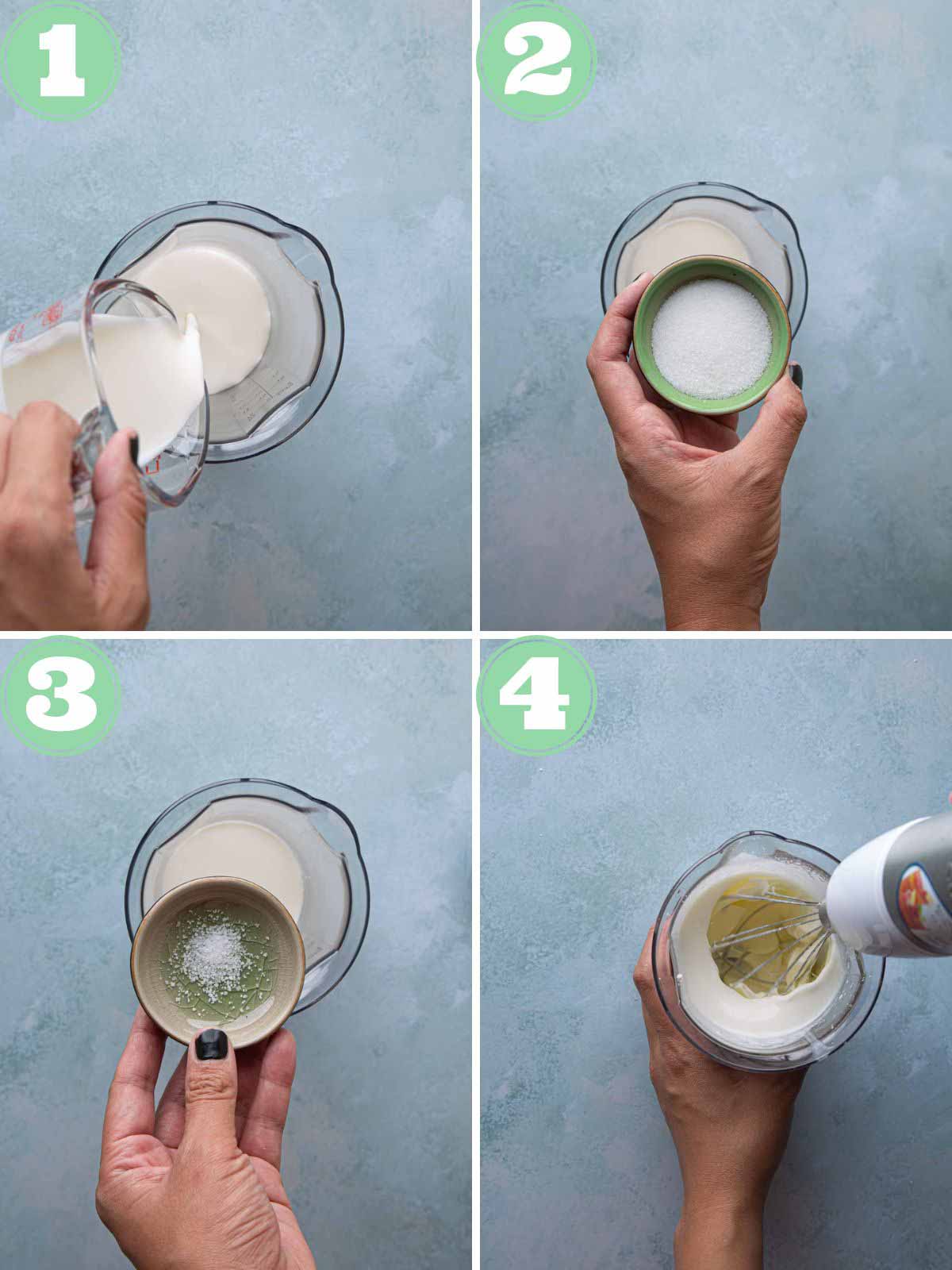
While the coffee drips, combine cream, salt, and the drop of condensed milk in a separate cup. Use a handheld frother.
- The "Texture Test": Stop whipping when the cream looks like melted ice cream (soft peaks).
>>> Warning: Do not whip to stiff peaks! If it’s too stiff, it will sit on top like a separate dessert. You want it to be fluid enough to sip with the coffee.

3. The Layering
Remove the Phin. Stir the dark coffee and condensed milk vigorously. Add ice to fill the glass. The Pour: Gently pour the salted cream over the ice. It should settle on top, creating a stark, beautiful white-on-black contrast.

Variations & Storage (Better Than The Coffee Shop)
Batch Prep Strategy (For Busy Mornings)
Can you make this ahead of time? Yes!
- The Salted Foam: Whip a larger batch of the salted cream and store it in an airtight jar in the fridge. It stays fresh for 24-48 hours.
Roastery's Tip: Before using, give the jar a hard shake to re-integrate the texture.
The "Vegan" Hue Style (Authentic Alternative)
Almond milk is too watery, so don't use it. To keep the Vietnamese spirit:
- Use chilled coconut cream instead.
Why: Coconut is a common ingredient in Vietnamese sweets. Adding salt to coconut cream gives it a "savory coconut" flavor that is just as good as the dairy version.
The Modern "Shakerato"
Want a frothier, colder drink?
- Put the brewed coffee base, condensed milk, and ice in a shaker. Shake until your hands freeze. Pour into a glass and top with the salted foam.
FAQ: Common Questions from Home Brewers
Can I use a French Press if I don't have a Phin?
You can, but make sure to brew it strong by increasing the coffee ratio. However, we highly recommend getting a Phin; it costs less than a bag of beans and lasts forever.
Why did my cream sink immediately?
Two reasons:
1) You didn't whip the cream enough (it was still liquid),
or
2) You poured it too fast into hot coffee without ice support.
Is it safe to drink daily?
It is rich and decadent. Think of Cà Phê Muối as a dessert or a weekend treat rather than your 6 AM fuel.
Bring the Memory Home with Local Beans Roastery
Salt Coffee Vietnam is a testament to the creativity of Vietnamese culture, taking simple ingredients and turning them into a masterpiece of balance.
Do not settle for a weak imitation. The secret is not just the salt; it is the bean that holds everything together.
Ready to brew the real thing? At Local Beans Roastery we provide the finest coffee beans for any Vietnamese coffee recipe you want to make. And if you visit Vietnam, especially Hanoi, one experience you should not miss is joining our hands-on coffee crafting workshop.
.jpg)
>>> Read more: