
.svg)


What is Vietnamese Coffee with Condensed Milk (Ca Phe Sua)?
At its core, Vietnamese coffee with condensed milk is a high-intensity brew made from dark-roasted Robusta beans, sweetened with thick, canned condensed milk.
Unlike Western lattes that use fresh steamed milk, the Vietnamese version relies on sweetened condensed milk. This tradition began in the mid-19th century when French colonists introduced coffee to Vietnam. Due to the lack of fresh milk and the tropical heat, condensed milk became the shelf-stable, creamy alternative that eventually defined the nation's coffee identity.
The result is a drink that sits at the intersection of a beverage and a dessert - unapologetically strong, heavily caffeinated, and luxuriously sweet.
Essential Ingredients for an Authentic Taste
To replicate the taste of a sidewalk cafe in Vietnam, you cannot simply use any coffee bean or milk. You need specific components:
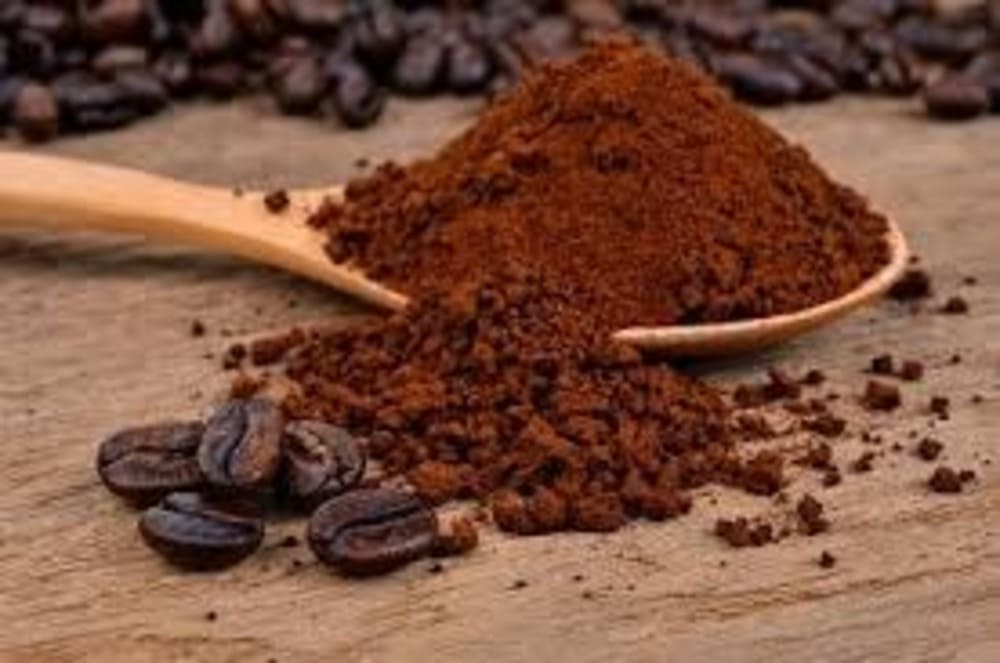
The Coffee: The Power of Robusta
While the specialty coffee world often praises Arabica, Vietnamese coffee is built on Robusta. These beans have nearly double the caffeine and a distinct nutty, earthy, and bitter profile. Look for a "Vietnamese Blend" (often containing a hint of butter or cocoa during roasting) to get that signature dark chocolate finish.
The Milk: The Gold Standard
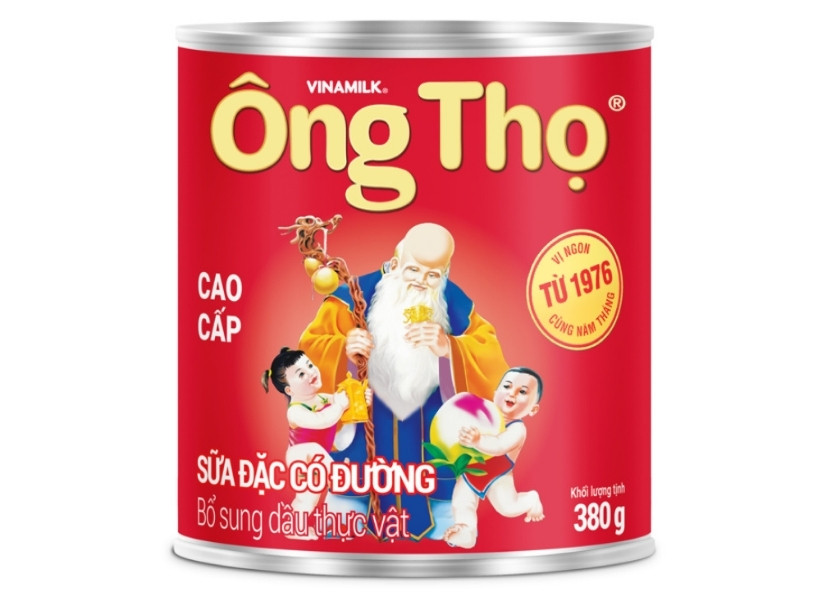
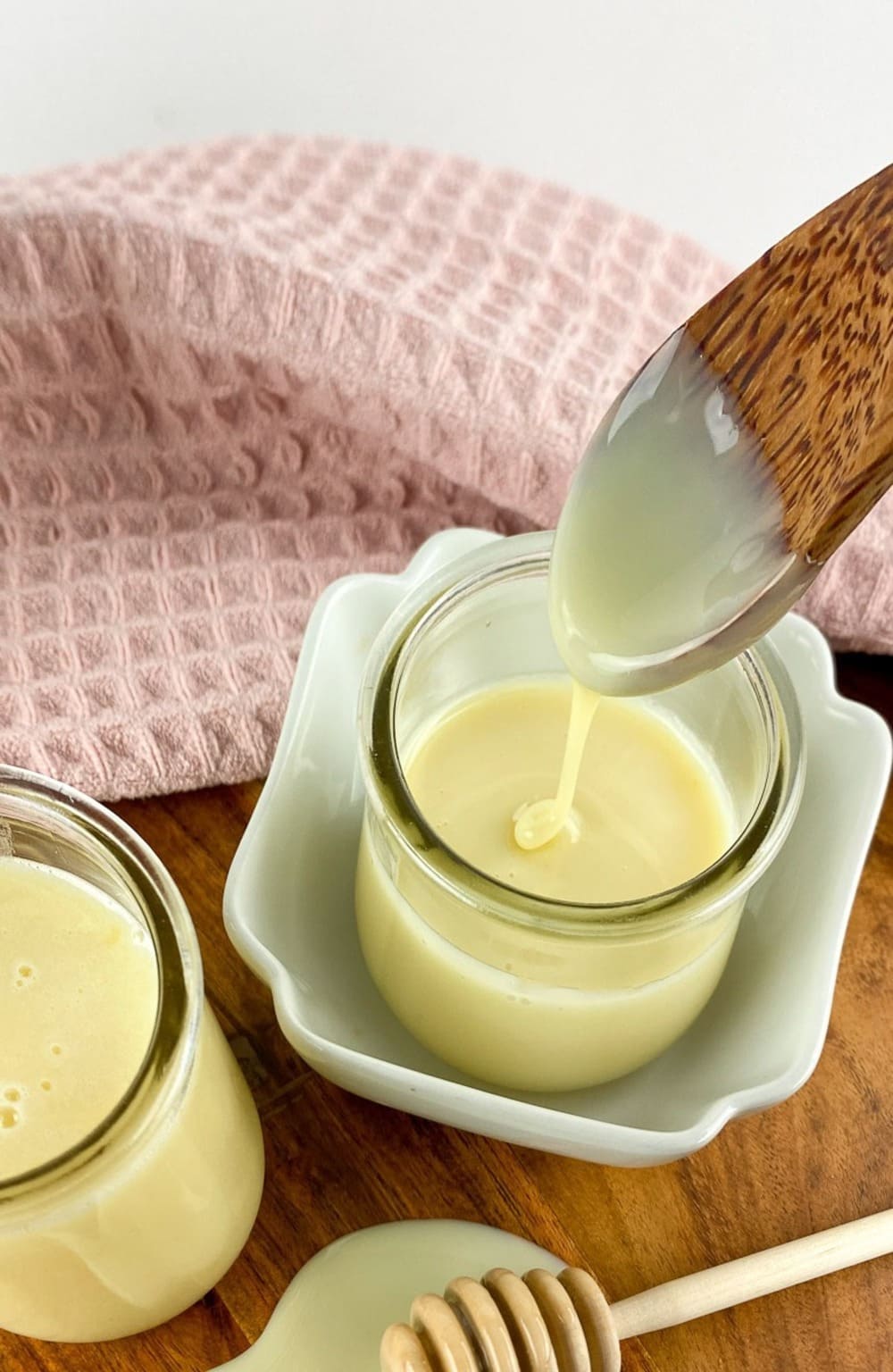
For the most authentic experience, use Longevity Brand (Sữa Ông Thọ). It has a high sugar-to-protein ratio that creates the correct viscosity. Generic condensed milks can sometimes be too "thin," failing to create the beautiful white layer at the bottom of the glass.
The Water: Temperature Matters
Never use boiling water (100 degrees Celsius). It scorches the Robusta beans, resulting in a harsh, burnt taste. Aim for 93 degrees Celsius to 96 degrees Celsius. If you don't have a thermometer, let your kettle sit for about 60 seconds after it finishes boiling.

The Phin Filter (The Gravity Brewer)
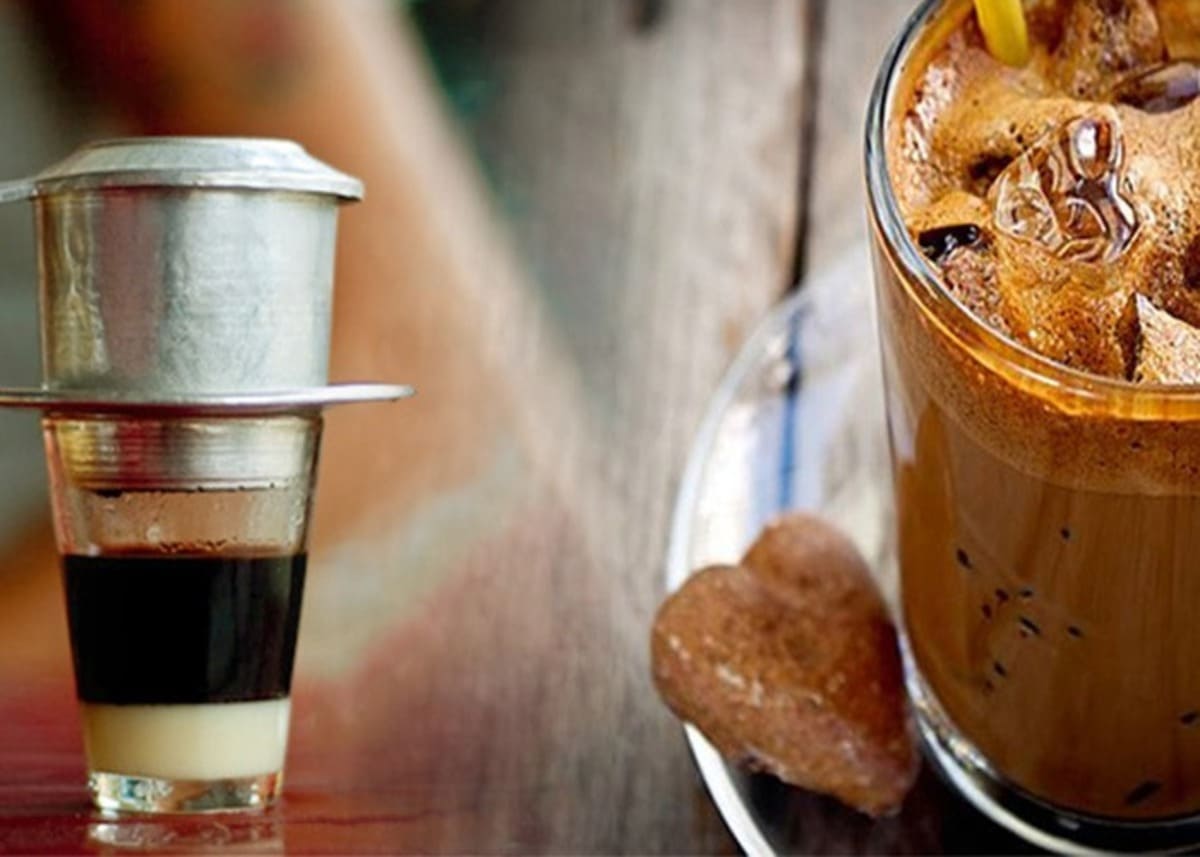
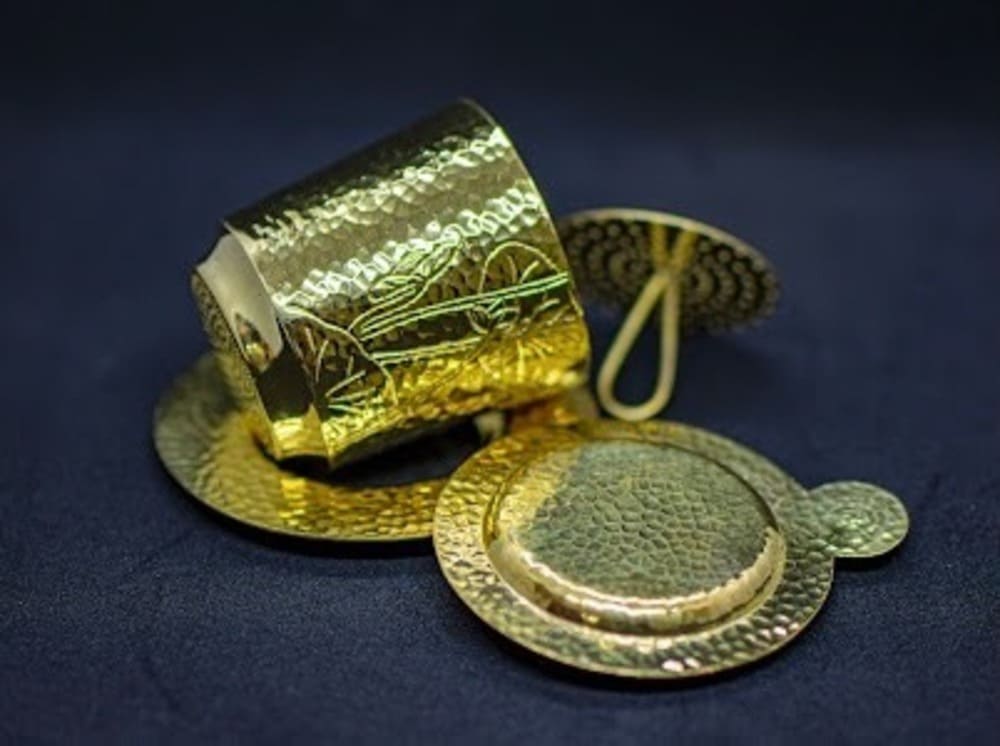
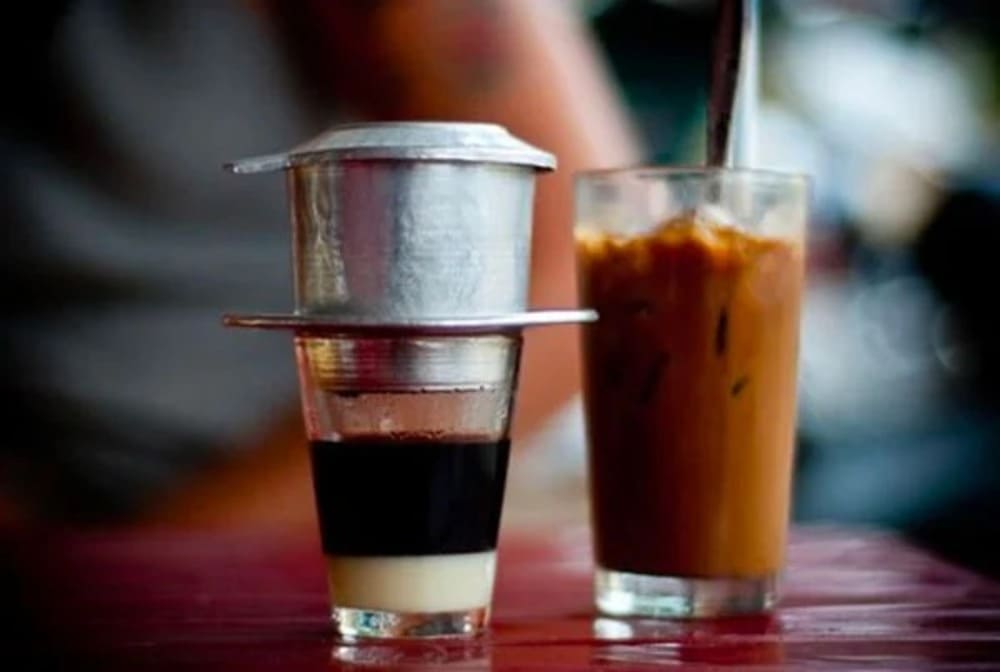
To make vietnamese coffee with condensed milk correctly, you should use a Phin. It is a stainless steel drip filter that sits on top of your glass. It uses gravity, not pressure, allowing the coffee oils to drip slowly into the milk.
The Perfect Ratio: How Much Condensed Milk?
Finding the "Golden Ratio" is subjective, but a traditional starting point is essential for balance.
-
The Standard Ratio: 1 to 2 tablespoons of condensed milk for every 2 tablespoons of coarse coffee grounds.
-
The "Cà Phê Sữa" Style: If you prefer the coffee's bitterness to lead, stick to 1 tablespoon.
-
The "Bạc Xỉu" Style: If you have a sweet tooth or prefer a milkier drink, increase the condensed milk to 3 tablespoons.
The beauty of this drink is the separation. Always pour the condensed milk into the glass first. The coffee will then drip slowly on top, creating a striking visual contrast before you stir it all together.
Step-by-Step Guide: Brewing with a Phin Filter
The Phin filter is the soul of Vietnamese coffee. It consists of a round perforated plate, a brewing chamber, an internal press, and a lid.
Step 1: Prep the Filter
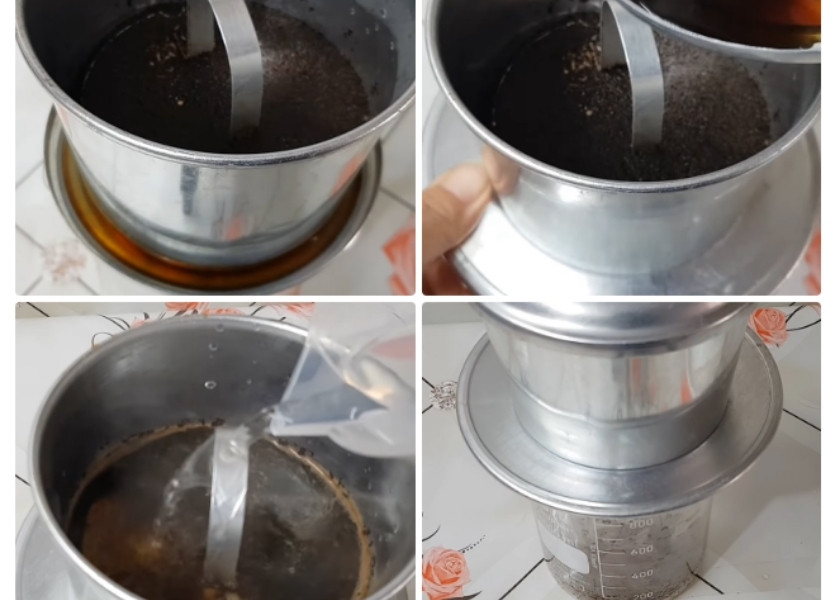
Add 1-2 tablespoons of condensed milk to a heat-resistant glass. Place the Phin filter on top of the glass. Add 2 tablespoons of coffee grounds into the chamber.
Step 2: The Bloom (Crucial Step)
Gently place the internal press over the grounds (don't press too hard). Pour about 20ml of hot water into the chamber. Let it sit for 30-45 seconds. This "blooms" the coffee, allowing gases to escape and ensuring a more even extraction.
Step 3: The Long Drip
Fill the rest of the Phin with hot water (about 60-80ml) and put the lid on. The coffee should begin to drip slowly—roughly one drop per second. If it runs too fast, tighten the press; if it doesn't drip at all, loosen it. The process should take about 4 to 5 minutes.
Step 4: Stir and Serve
Once the dripping stops, remove the filter. Stir the dark coffee and white milk together until you reach a uniform "caramel" color. For Cà Phê Sữa Đá, pour the mixture into a separate tall glass filled with large ice cubes.
Professional Tips for the Best Home Brew
-
Grind Size is King: Your coffee should be medium-coarse, similar to sea salt. If the grind is too fine (like espresso), it will clog the Phin's small holes. If it's too coarse, the water will rush through without extracting flavor.
-
Use Large Ice: Small or crushed ice melts too quickly, diluting the intense flavor. In Vietnam, "coffee ice" is often large, solid cylinders that keep the drink cold without turning it into coffee-flavored water.
-
Pre-heat the Phin: Before starting, pour a little hot water through the empty Phin to warm the metal. This maintains a consistent temperature during the brewing process.
Nutrition Facts: Calories & Caffeine
Is vietnamese coffee with condensed milk bad for you? It depends on your tolerance.
-
Caffeine Content: Extremely High.
-
One serving contains approx 150mg - 200mg of caffeine.
-
Comparison: An Espresso shot has ~65mg. A Red Bull has 80mg. This drink is truly "Rocket Fuel."
-
Calories: High.
-
One serving contains 300 - 350 calories, mostly from the sugar and fat in the condensed milk.
-
Advice: Treat this as a dessert or a morning energy booster, not a hydrator.
People Also Ask (PAA)
Is Vietnamese coffee with condensed milk good for diabetics?
Because condensed milk is primarily sugar, a traditional Cà Phê Sữa is not recommended for those managing diabetes. However, you can enjoy "Cà Phê Đen" (Black Coffee) without sugar, or use a keto-friendly, sugar-free condensed milk alternative made with erythritol or monk fruit.
What is the difference between Vietnamese and Thai iced coffee?
While both use condensed milk, Vietnamese coffee is made with pure Robusta through a slow-drip Phin. Thai coffee (Oliang) often contains a blend of coffee, roasted corn, soy, and spices like cardamom, usually brewed in a large "sock" filter.
Can I make this vegan or dairy-free?
Absolutely. Many cafes now offer Coconut Condensed Milk or Oat Condensed Milk. They mimic the thick texture perfectly and add a subtle tropical note that pairs beautifully with the chocolatey Robusta beans.
Why is my Vietnamese coffee so strong?
It is a combination of the bean and the method. Robusta beans have double the caffeine of Arabica, and the slow-drip method creates a highly concentrated extraction, similar to a double espresso but with more volume.
Now you have the technical knowledge to brew the perfect glass. But remember, the ingredients matter. If you are ever in Hanoi and want to source the best Fine Robusta beans or learn roasting from the experts. Visit Local Beans Roastery today and experience brewing and grinding your own coffee during your trip to Vietnam!

>>> Related articles about "COFFEE":
-
Vietnamese Black Coffee: Why It’s The "Whiskey" of Morning Rituals
-
Salt Coffee Vietnam (Cà Phê Muối): Authentic Hue Recipe & Guide
-
Salt Coffee Vietnam (Cà Phê Muối): Authentic Hue Recipe & Guide