

.svg)


- Where is the Ho Chi Minh Mausoleum located?
- What are the current Ho Chi Minh Mausoleum opening hours?
- What should I wear to visit the Ho Chi Minh Mausoleum?
- Can you take photos inside the Ho Chi Minh Mausoleum?
- Is the Ho Chi Minh Mausoleum open today?
- Your step-by-step Ho Chi Minh Complex integrated itinerary
- The historical and cultural significance of Uncle Ho's resting place
- Insider tips for a smooth visit
Where is the Ho Chi Minh Mausoleum located?
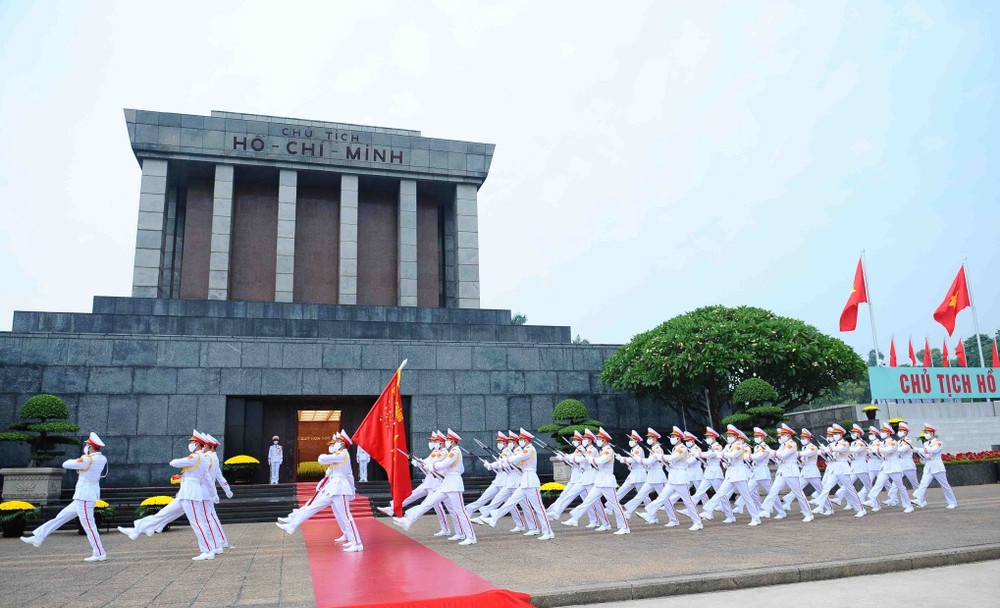
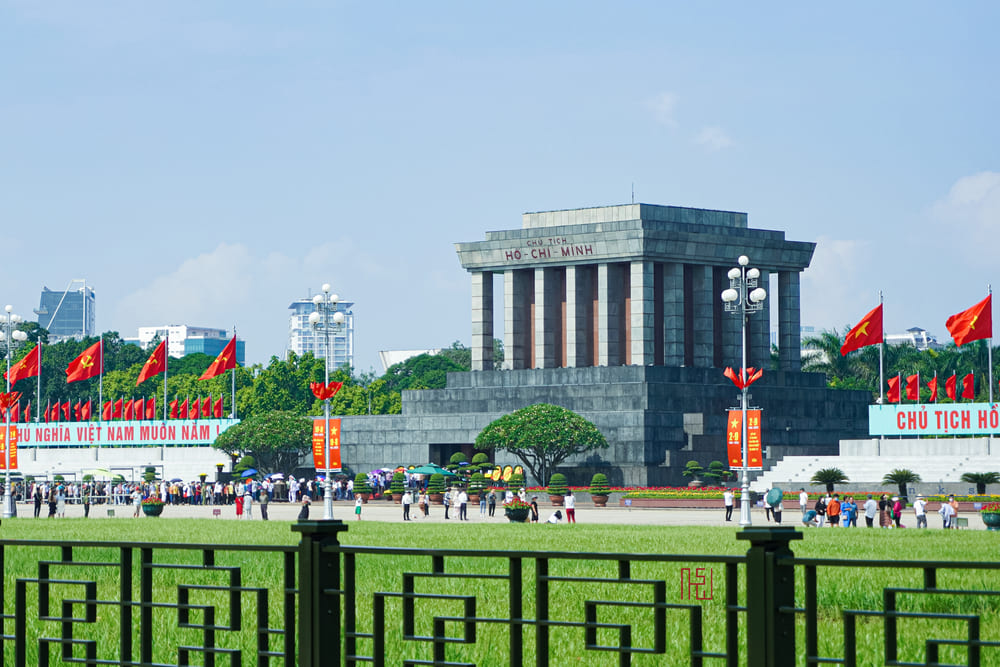
The Ho Chi Minh Mausoleum is located at 2 Hung Vuong Street, Dien Bien Ward, Ba Dinh District, Hanoi. It serves as the primary focal point of Ba Dinh Square, marking the precise historical location where President Ho Chi Minh formally declared national independence in 1945.
Finding the exact entrance can confuse first-time visitors because the complex occupies a massive city block. Taxis and private cars cannot drop you off directly in front of the monument on Hung Vuong Street due to vehicle restrictions. Instead, you must direct your driver to the official visitor entrance located at 19 Ngoc Ha Street. From this gate, security personnel will guide you into the mandatory queuing system.
If you are staying in the popular Hoan Kiem area, the distance to the complex spans roughly 2.5 kilometers. You can easily navigate this distance via multiple forms of transportation depending on your schedule and budget. Morning traffic in Hanoi often slows down commute times, so factor in an extra ten minutes of buffer time regardless of your chosen transit method.
Getting to Ba Dinh Square from the Old Quarter
| Transport Option | Time & Estimated Cost | Pros & Cons |
|---|---|---|
| Grab / Taxi | 15-20 mins | 40,000 - 60,000 VND | Pros: Direct, air-conditioned. Cons: Subject to morning rush hour traffic delays. |
| Public Bus (09, 18, 33) | 25-35 mins | 7,000 VND | Pros: Extremely cheap, authentic local transit. Cons: Requires walking to bus stops, crowded. |
| Walking | 30-40 mins | Free | Pros: Predictable timing, great for sightseeing. Cons: Summer heat and humidity cause heavy sweating. |
Pro Tip: Bus tickets cost approximately 7,000 VND, making the public transit network the most budget-friendly choice for solo travelers. Bus Route 09 operates on a convenient loop directly around Hoan Kiem Lake, offering easy boarding access for tourists staying in the central district.
What are the current Ho Chi Minh Mausoleum opening hours?
The mausoleum operates exclusively on Tuesday, Wednesday, Thursday, Saturday, and Sunday mornings. Summer hours run from 7:30 AM to 10:30 AM, while winter hours shift slightly to 8:00 AM to 11:00 AM. The building remains completely locked on Mondays and Fridays year-round.
You must understand that the closing time dictates when the final person exits the building, not when you can join the line. Security forces typically cut off the entrance queue at least 45 minutes before the official closing time. If you arrive at 10:15 AM during the summer, guards will turn you away.
Weekend operations feature a slight adjustment to accommodate higher domestic tourism volumes. On Saturdays and Sundays, the facility extends viewing hours by exactly 30 minutes. Despite this extension, weekend lines frequently stretch for over a kilometer, effectively neutralizing the extra half-hour.
.jpg)
Seasonal schedules and annual maintenance closures
- Summer/Fall (April 1 – Oct 31): General admission runs from 7:30 AM to 10:30 AM. Weekend hours conclude at 11:00 AM.
- Winter/Spring (Nov 1 – March 31): General admission runs from 8:00 AM to 11:00 AM. Weekend hours conclude at 11:30 AM.
- Annual Closure: The site shuts down completely between September and November for approximately two months. During this period, medical experts transport the body to Russia for highly specialized preservation maintenance.
📌 Good to know:
Always check official government notices if visiting in September or October to ensure the site isn't closed for annual preservation. The exact dates shift slightly each year based on logistical requirements.
What should I wear to visit the Ho Chi Minh Mausoleum?
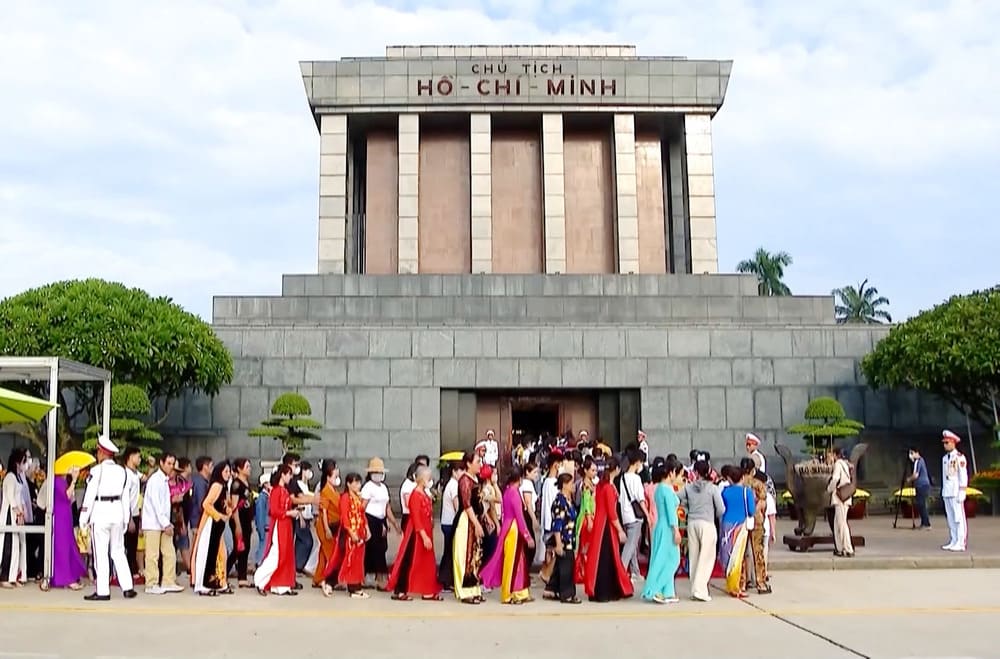
Visitors must wear conservative clothing that completely covers the shoulders and extends below the knees. Security will deny entry to anyone wearing tank tops, sleeveless shirts, short skirts, or athletic shorts. You must adhere strictly to this dress code to pass the first checkpoint.
Security personnel actively scan the crowd as you approach the initial gate on Ngoc Ha Street. They enforce these rules with zero exceptions, regardless of the intense summer heat. If you arrive wearing prohibited items, guards will physically block you from joining the main queue.
To avoid rejection, select lightweight, breathable fabrics like linen or thin cotton. Long trousers and conservative t-shirts work perfectly for both men and women. If you accidentally arrive in shorts, several small vendor stalls across the street from the entrance sell cheap, wrap-around sarongs to help you pass inspection.
Essential etiquette and security protocols for foreigners
- Behavior: Maintain absolute silence inside the main chamber. You must walk at a steady pace in a single file line and keep your hands visibly out of your pockets at all times.
- Hats & Accessories: You must remove all hats, caps, and sunglasses before crossing the threshold into the inner sanctum.
- Security Check: Expect a rigorous multi-stage security screening process featuring metal detectors and x-ray machines, functioning much like an international airport protocol.
📌 Good to know:
For Vietnamese citizens, visiting this site operates as a solemn pilgrimage rather than a tourist activity. Observing the deep reverence of local visitors offers a profound window into the national psyche of Vietnam.
Can you take photos inside the Ho Chi Minh Mausoleum?
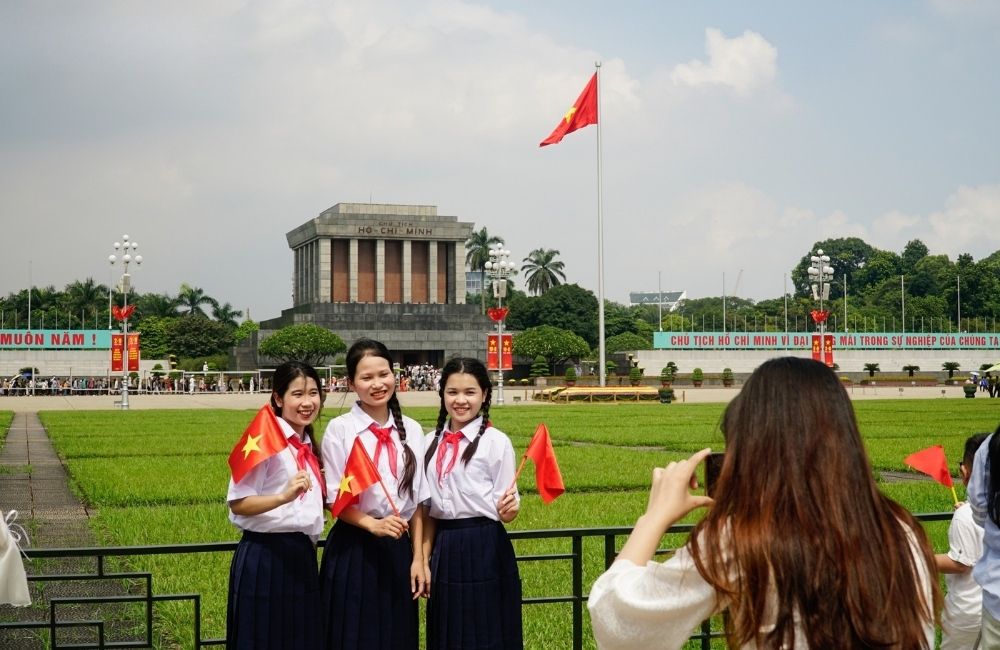
No, photography and videography are strictly prohibited inside the main mausoleum building. You must declare all cameras at the entrance, where security will temporarily store them. However, you maintain the right to photograph the outdoor areas of Ba Dinh Square.
The honor guard enforces the no-photography rule aggressively. Do not attempt to sneak a quick photo with your smartphone inside the viewing chamber. Guards monitor the room closely and will immediately confiscate your device and potentially escort you off the premises for violating the rules.
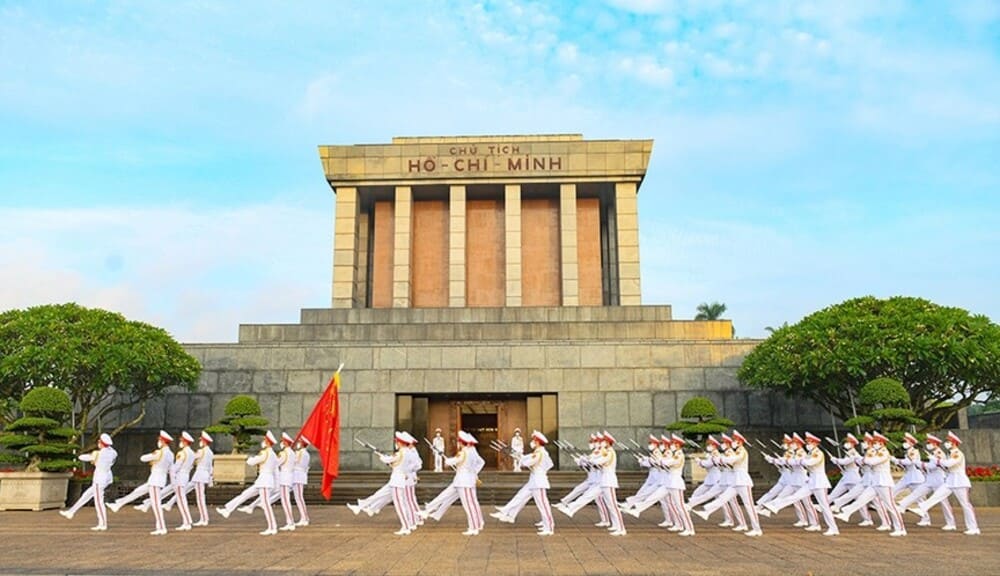
Once you exit the cold granite building and step back outside into Ba Dinh Square, the restrictions lift. You can freely photograph the exterior of the monument, the expansive grassy areas, and the changing of the guard ceremony. Use this time outside to capture your architectural shots.
Prohibited items and bag storage procedures
- Large backpacks, heavy luggage, and oversized purses require mandatory check-in at the primary storage room near the Ngoc Ha entrance.
- Guards will place smaller electronics, cameras, and smartphones into secure, brightly colored tote bags. You hand these bags to a dedicated officer, receive a numbered plastic token, and retrieve your items at a separate booth near the exit.
- Prohibited items include all weapons, pocket knives, flammable materials, lighters, and outside food or open beverage containers.
Is the Ho Chi Minh Mausoleum open today?
The facility is open today if it is a Tuesday, Wednesday, Thursday, Saturday, or Sunday morning, provided you are outside the September to November maintenance window. The government completely closes the site on Monday and Friday mornings, and every single afternoon.
If you find the mausoleum closed upon arrival, you can still view the imposing exterior from a distance. Security forces maintain barricades preventing close access on off-days, but the view from the perimeter of Ba Dinh Square remains unobstructed. Plan your detailed itinerary carefully to avoid this disappointment.
Your step-by-step Ho Chi Minh Complex integrated itinerary
To maximize efficiency, arrive at Ba Dinh Square by 7:00 AM to complete the Mausoleum queue first. Once finished, walk systematically through the Presidential Palace grounds, the historic House on Stilts, the One Pillar Pagoda, and the Ho Chi Minh Museum in one logical loop.
This sequential path minimizes backtracking across the massive complex. The flow of foot traffic naturally pushes visitors from the mausoleum exit directly toward the ticket booths for the secondary historical sites. You can complete the entire circuit in roughly three hours if you maintain a steady pace.
Buying tickets for the secondary sites occurs only after you finish viewing the mausoleum. The mausoleum itself is entirely free to enter. However, accessing the Presidential Palace gardens and the dedicated museum requires purchasing inexpensive entry stubs at designated kiosks along the walking path.
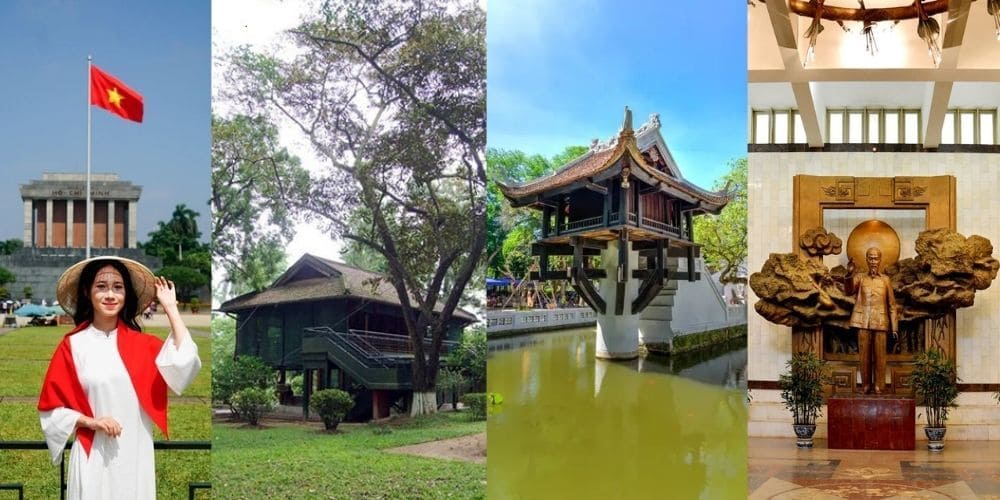
Exploring the Presidential Palace, One Pillar Pagoda, and Museum
| Location | Estimated Duration | Entrance Fee |
|---|---|---|
| 1. Ho Chi Minh Mausoleum | 60 - 90 mins (mostly queuing) | Free |
| 2. Presidential Palace Grounds & House on Stilts | 30 - 45 mins | 40,000 VND |
| 3. One Pillar Pagoda | 15 mins | Free |
| 4. Ho Chi Minh Museum | 60 mins | 40,000 VND |
The historical and cultural significance of Uncle Ho's resting place
The Ho Chi Minh Mausoleum functions as a powerful symbol of national unity and Vietnamese resilience. Constructed against his personal request for cremation, the government built this permanent monument to allow future generations of citizens from all provinces to pay their respects directly.
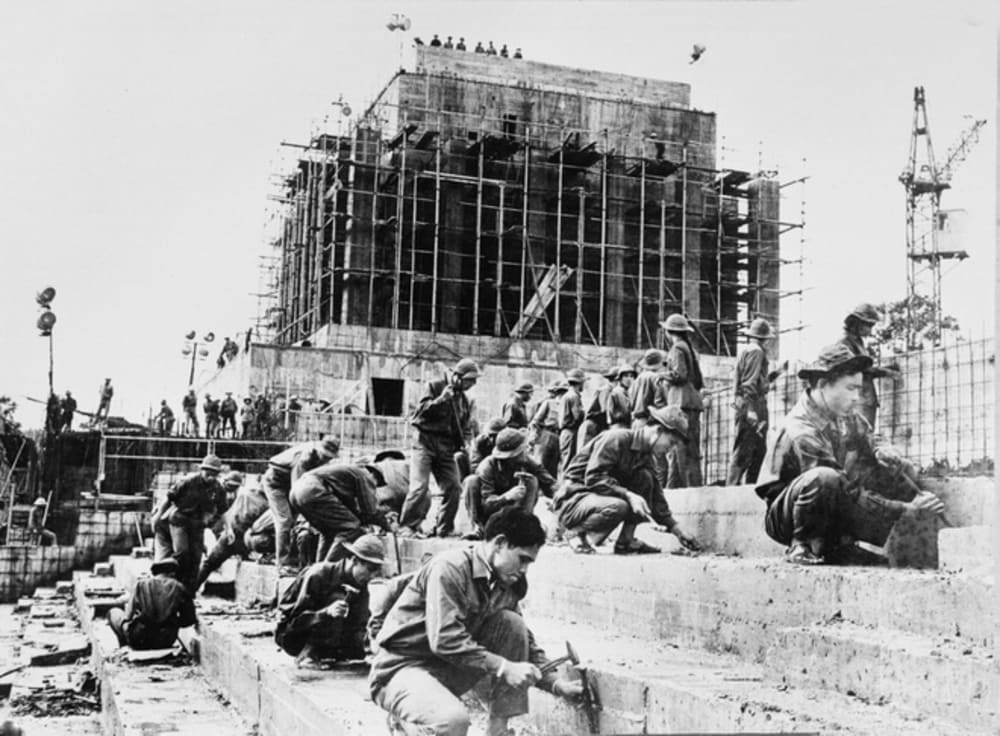
Following his death in 1969, the nation faced wartime hardships, delaying the permanent resting place construction until 1973. The sheer scale of the project required massive logistical coordination. Engineers prioritized durability, ensuring the structure would withstand both the humid local climate and the test of time.
Today, the site commands extreme respect from locals. School groups travel from remote provinces just to walk past the glass sarcophagus. Understanding this context helps foreign visitors grasp why the strict rules regarding dress code and absolute silence exist in the first place.
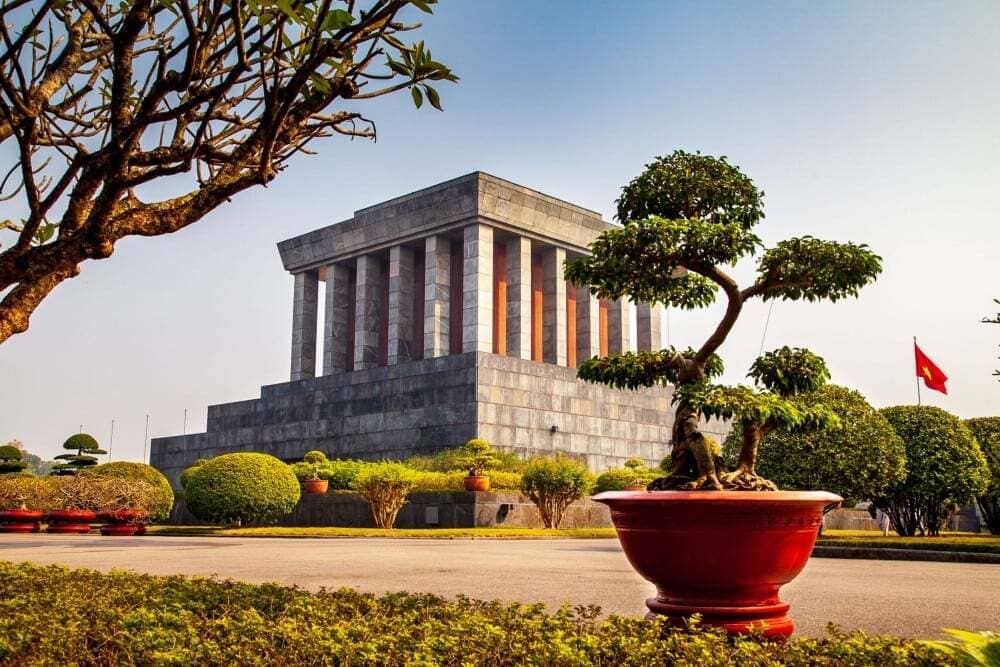
Architecture and symbolism of the granite structure
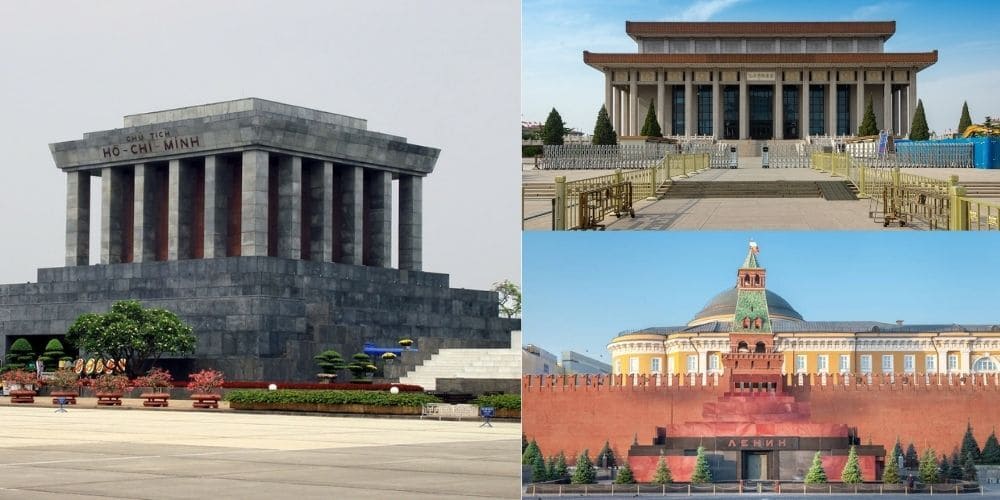
- Soviet Influence: The structure borrows heavy architectural cues from Lenin’s Mausoleum in Moscow, utilizing stark, brutalist block formations. However, architects incorporated a distinct Vietnamese sloping roofline reminiscent of traditional communal houses.
- National Unity: Builders sourced materials from all corners of the country. The construction features exterior granite from the southern regions, interior marble from Thanh Hoa province, and meticulously carved wood from the Central Highlands.
Comparison: Ho Chi Minh vs. Lenin and Mao Mausoleums
| Monument | Year Built & Architecture Style | Visitor Protocols |
|---|---|---|
| Ho Chi Minh (Vietnam) | 1975 | Brutalist with Vietnamese sloping roof | Strict dress code, absolute silence, hands visible, no photos. |
| Lenin (Russia) | 1924 | Stepped pyramid, red granite | Metal detectors, bags banned, low lighting, constant movement. |
| Mao Zedong (China) | 1977 | Square brutalist, flat roof, columns | Passport required, strictly enforced one-way traffic, ID checks. |
Insider tips for a smooth visit
To ensure a highly efficient visit, join the entrance queue by 6:00 AM during peak summer months. Early arrival helps you bypass hours of waiting in the punishing heat, guarantees faster security clearance, and allows you to finish before massive tour bus groups arrive.
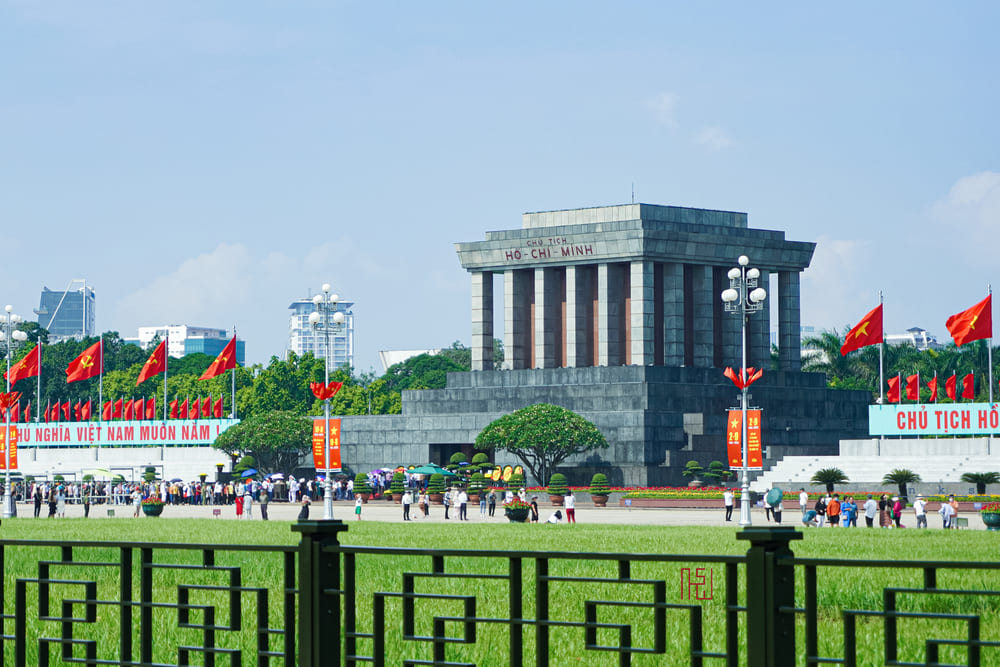
- Queue Strategy: Arriving at 6:00 AM during peak season (April–August) prevents you from suffering through brutal 2-hour wait times on the unshaded concrete walkways. By 8:30 AM, the line frequently extends multiple blocks down Ngoc Ha Street.
- Visiting with Kids: You must ensure children receive strict briefings on the 'silence' rule. The Honor Guard does not grant exceptions for age, and they will audibly reprimand noisy families or force them to exit the viewing chamber immediately.
- Hydration: Bring bottled water for the outdoor queue, as the humidity causes rapid dehydration. However, you must finish or discard all liquids before stepping inside the actual building, as carrying open bottles past the final guard checkpoint is strictly forbidden.

✨ Discover more of our thoughtfully crafted blog articles:
- Temple of Literature: History, tickets, and self-guided tour 2026
- Top things to do in Hanoi: Itineraries, costs, and insider tips
- Hanoi Old Quarter guide: Itineraries, budgets, and survival tips
- Coffee in Vietnam: Culture, History, Types & How to Drink It Like a Local
- One Day in Hanoi Itinerary: Master the Chaos
- Hoa Lo Prison: Guide to Hanoi’s historic 'Hanoi Hilton' and practical visitor information