

.svg)


What are the top attractions in Hanoi?
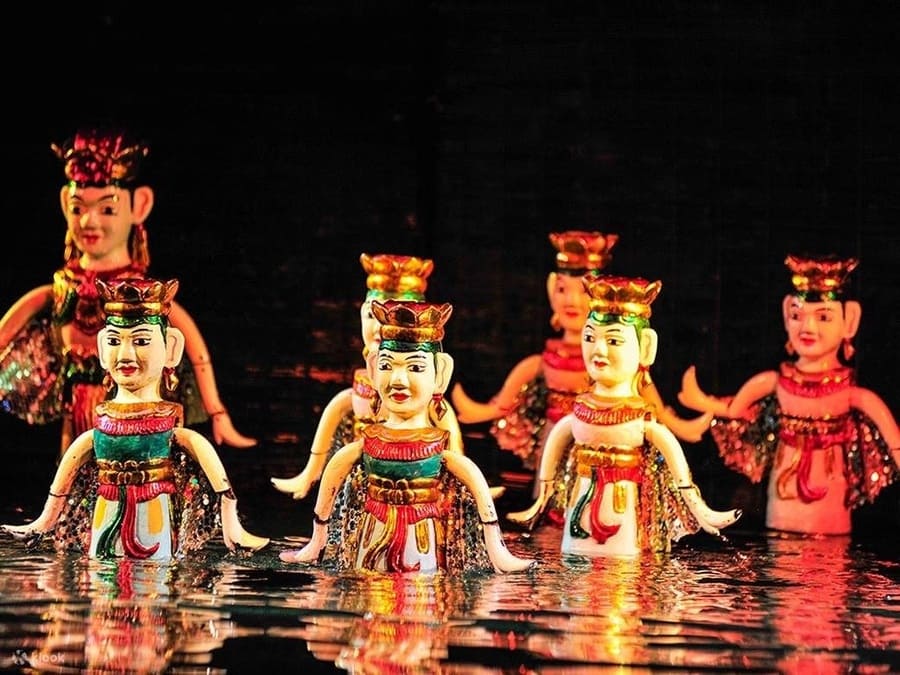
Top attractions in Hanoi include Hoan Kiem Lake, the Temple of Literature, the Ho Chi Minh Mausoleum complex, and the historic Old Quarter. Essential cultural experiences include watching a performance at the Thang Long Water Puppet Theatre, drinking traditional egg coffee, and safely visiting Hanoi Train Street.
The historic heart: Old Quarter and Hoan Kiem Lake
Hoan Kiem Lake serves as the geographical and cultural center of the city. Accessing the Ngoc Son Temple requires crossing the bright red Huc Bridge, an ideal location for morning photography before the heavy crowds arrive at 9:00 AM. Entry to the temple island costs 30,000 VND, and you must cover your shoulders to pass the front gate guards.
.jpg)
St. Joseph's Cathedral operates as a primary navigational landmark in the Old Quarter, featuring striking neo-Gothic architecture reminiscent of Notre-Dame de Paris. The plaza surrounding the cathedral functions as a major congregation point for locals drinking iced lemon tea (tra chanh) on small plastic stools. The immediate roads here experience heavy gridlock during evening rush hour.
Navigating the 36 trade streets requires sharp situational awareness due to dense motorbike traffic sharing narrow pedestrian spaces. Each street historically specialized in specific goods, a tradition that continues today. Hang Gai remains the primary artery for high-quality silk tailoring, while Hang Ma offers entire blocks dedicated to paper crafts and seasonal lanterns.
.jpg)
📌 Good to know:
Instead of just taking photos from the street, find a cafe with a second-floor balcony overlooking St. Joseph's Cathedral for an unimpeded, relaxed view away from the crowds.
National pride: Ba Dinh district and Temple of Literature
Visiting the Ho Chi Minh Mausoleum complex requires strict adherence to military-enforced rules and early morning arrival. You must wear long trousers or skirts, walk in a silent single-file line, and deposit all bags and cameras at the entrance facility. After viewing the mausoleum, the path naturally leads through the presidential gardens to Ho Chi Minh's modest stilt house.
.jpg)
Located just outside the mausoleum exit, the One Pillar Pagoda warrants a brief stop. This historic Buddhist temple rests on a single stone pillar rising from a square lotus pond. Due to its small size, you only need 15 minutes to view the structure and read the surrounding historical plaques.
The Temple of Literature stands as Vietnam's first national university, originally established in 1070. You will walk through five distinct courtyards, each separated by historic brick walls, leading to the main altars dedicated to Confucius and prominent Vietnamese scholars. The entrance fee is 30,000 VND, and guided audio tours provide essential context for the stone stele recording the names of past graduates.
.jpg)
The Imperial Citadel of Thang Long offers a massive UNESCO World Heritage site that receives far less foot traffic than other major landmarks. You can climb the stone gates of the ancient fortress and explore deep underground bunkers used by military commanders during the Vietnam War. Plan for at least two hours to cover the expansive grounds adequately.
Local life: West Lake and alternative spots
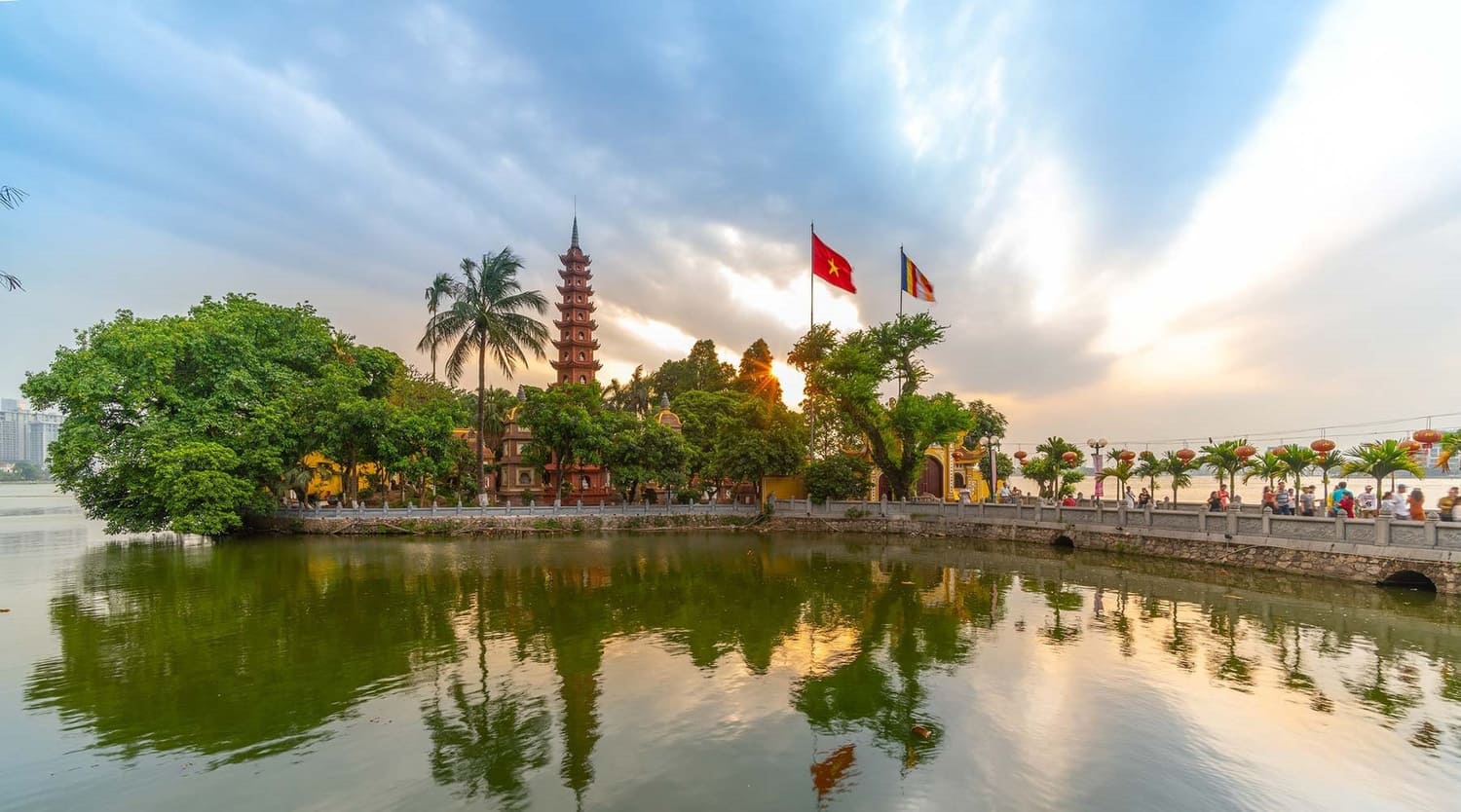
West Lake provides a necessary visual break from the dense urban core of the capital. Tran Quoc Pagoda, the oldest Buddhist temple in the city, sits on a small island connected by a paved causeway. This location offers excellent western-facing sightlines for sunset photography, though you must dress conservatively to enter the pagoda grounds.
.jpg)
Taking a Grab car 15 kilometers southeast brings you to Bat Trang Pottery Village. Here, you can tour multi-generational ceramic workshops, observe industrial kilns, and participate in hands-on clay throwing classes. Alternatively, the Quang Phu Cau Incense Village offers a spectacular visual arrangement of dyed red incense sticks drying in the sun, though it requires a longer drive.
Red River Banana Island operates as an unofficial nature reserve highly favored by the local expatriate community. You can access this agricultural zone by walking down the pedestrian stairs halfway across the Long Bien Bridge. The area features shaded dirt trails passing through banana plantations, making it perfect for off-road cycling and quiet nature walks.
.jpg)
How to plan your days in Hanoi: 3 themed itinerary clusters
You should plan your days in Hanoi by grouping attractions geographically into historic walking routes, heritage deep dives, and scenic escapes. This strategy prevents wasting hours sitting in heavy traffic gridlock and allows you to explore specific neighborhoods thoroughly on foot or by bicycle.
|
Criteria |
Historic Heart |
National Pride |
Local Life |
|---|---|---|---|
|
Estimated Time Required |
4-6 hours (Afternoon/Evening) |
5-7 hours (Morning/Afternoon) |
3-5 hours (Flexible) |
|
Best Transportation Method |
Walking entirely |
Grab taxi between sites |
Bicycle rental or Grab bike |
|
Ideal Traveler Profile |
First-time visitors, foodies, photographers |
History buffs, culture enthusiasts |
Repeat visitors, expats, active travelers |
Cluster 1 focuses entirely on the historic walking route within the Old Quarter. You can easily combine a lap around Hoan Kiem Lake, coffee near St. Joseph's Cathedral, and a 5:00 PM showing at the Water Puppet Theatre into a single afternoon. Afterward, walk directly to Ta Hien Beer Street for dinner and evening drinks.
Cluster 2 requires a heritage deep dive starting at 7:30 AM to beat the long queues at the Ho Chi Minh Mausoleum. Because the walking distances between the Mausoleum, the Temple of Literature, and the Imperial Citadel are deceptively long and unshaded, you should utilize Grab taxis for the short hops between these monuments. This cluster demands comfortable walking shoes and high water consumption.
Cluster 3 provides a scenic escape focused around the perimeter of West Lake (Ho Tay). Renting a bicycle allows you to complete the 15-kilometer loop at a relaxed pace, passing local flower fields and lakeside pagodas. The northern edge of the lake features numerous specialty coffee shops and independent bakeries operating away from the primary tourist core.
📌 Good to know:
The streets around Hoan Kiem Lake are closed to vehicle traffic on Friday, Saturday, and Sunday evenings, making it a safe, festive, and ideal time for a leisurely stroll.
Is Train Street in Hanoi safe?
Train Street is safe if you strictly follow instructions from café owners and stay firmly behind the painted safety lines. Due to local police regulations, you must be actively invited into a trackside café by an owner to enter the street without being turned away by the barricade guards.
Enjoying specialty coconut or egg coffee while massive diesel trains pass mere inches away remains a unique hallmark of visiting the capital. The sheer physical size of the train carriages completely fills the narrow residential corridor, creating immense noise and wind. You must press your back firmly against the café walls and secure all loose items, such as sunglasses and phones, before the train approaches.
When planning your visit, departing trains leaving the main Hanoi railway station operate with far greater reliability than arriving trains. Inbound trains coming from the southern provinces often suffer delays of up to an hour due to long cross-country transit times. Consequently, timing your visit for a scheduled outbound train prevents you from waiting trackside for extended periods.
.jpg)
📌 Good to know:
Check a local Train Street cafe's Instagram for the daily schedule. Prioritize viewing trains departing from Hanoi station, as they are much more consistently on time than arriving trains.
What is the best day trip from Hanoi?
The best day trips from Hanoi are a Ha Long Bay cruise featuring kayaking and Sung Sot Cave, or a Ninh Binh excursion offering Trang An boat rides. Both destinations are easily accessible via comfortable limousine buses that depart early from the Old Quarter.
Ha Long Bay vs Ninh Binh
|
Criteria |
Ha Long Bay |
Ninh Binh |
|---|---|---|
|
Travel Time from Hanoi |
2.5 hours (via expressway) |
1.5 to 2 hours |
|
Tour Cost in USD |
$50 - $90 per person |
$35 - $65 per person |
|
Key Activities |
Limestone karst cruising, cave hiking, kayaking |
Sampan boat rides, cycling, climbing Mua Caves |
|
Pros & Cons |
Pro: Iconic scenery. Con: Highly crowded ports. |
Pro: Less driving time. Con: Heavy physical exertion required. |
A day trip to Ha Long Bay involves driving to the Tuan Chau or Halong International Marina, followed by a four to six-hour cruise through the towering limestone karsts. Most itineraries include a stop at Sung Sot (Surprise) Cave, which requires climbing steep stone steps. You will also have a dedicated window for kayaking or taking a bamboo boat through the Luon Cave water tunnel.
Ninh Binh offers a dramatic inland landscape often referred to as "Ha Long Bay on land." The standard day tour features a serene two-hour sampan boat ride through the flooded cave systems of Trang An or Tam Coc, paddled by local women. You will then cycle through flat rice paddies before undertaking the grueling 500-step climb up the Lying Dragon Mountain at Mua Caves for panoramic views.
.jpg)
Your 2026 Hanoi budget: Real daily costs for foreign travelers
A daily budget in Hanoi ranges from $35 for backpackers to over $150 for luxury travelers, covering accommodation, local street food, and app-based transport. Relying on pavement stalls and Grab bikes keeps costs extremely low, while boutique hotels and guided private tours push expenses higher.
|
Criteria |
Backpacker |
Mid-Range |
Luxury |
|---|---|---|---|
|
Accommodation Cost |
$8 - $15 (Hostel dorm) |
$40 - $70 (Boutique hotel) |
$150+ (5-star hotel) |
|
Food Cost |
$10 - $15 (Street food) |
$25 - $40 (Cafes/Restaurants) |
$80+ (Fine dining) |
|
Transport Cost |
$3 - $5 (Walking/Grab bike) |
$8 - $15 (Grab cars) |
$30+ (Private driver) |
|
Total Daily USD |
$21 - $35 |
$73 - $125 |
$260+ |
Daily expenses remain highly manageable if you eat locally and monitor small fees. A standard pork Banh Mi from a street cart costs between 25,000 and 40,000 VND, while a bowl of Pho averages 50,000 VND. Attraction entrance fees are nominal; for instance, accessing the Temple of Literature costs exactly 30,000 VND. Short Grab bike rides across the city center rarely exceed 35,000 VND per trip.
Taking a traditional cyclo ride through the chaotic intersections of the Old Quarter provides a memorable, slow-paced perspective of the city architecture. The real, fair-market price for a one-hour cyclo tour hovers around 300,000 to 400,000 VND per vehicle. You must establish this rate firmly before sitting down to avoid aggressive upcharges at the end of the route.
.jpg)
Common tourist scams and how to avoid them
📌 Good to know:
Always negotiate and confirm the total cyclo price for your entire group in VND before getting on. Type the agreed number into your phone's calculator to avoid the common "price per person" bait-and-switch scam.
Beer Street (Ta Hien) seating requires a specific strategy to avoid police disruption. Bars set up small plastic stools illegally on the pedestrian pavement, and when police conduct sweeps, staff will abruptly snatch your chair and rush you inside. To avoid spilling your drink, choose a seat slightly recessed from the main walking path or sit on a second-floor balcony.
Menu price tricks at informal street food stalls remain a common annoyance for foreign visitors. Vendors operating without printed menus may arbitrarily double the cost of a basic noodle soup if you consume the meal before asking the price. Always point to the dish, ask "Bao nhieu tien?" (How much?), and wait for them to show you the specific monetary note before sitting down.
One thing we really recommend in Hanoi is joining a coffee workshop at LBR. Whether it’s sunny or raining, people still show up because it’s such a simple, genuine way to connect with the local culture. If you’re curious, give it a try, you might end up loving it more than you expect.
What to do in Hanoi with kids?
Hanoi offers excellent family-friendly activities like watching the Thang Long Water Puppet show, taking a traditional cyclo ride, and exploring the interactive Vietnam Museum of Ethnology. Walking around Hoan Kiem Lake during the weekend pedestrian-only hours provides a safe, traffic-free environment for children to run and play.
Participating in hands-on craft classes keeps older children engaged while teaching them about traditional Vietnamese culture. You can book private pottery workshops at the nearby Bat Trang village, allowing kids to work directly on clay wheels. In the Old Quarter, several artisan shops offer two-hour bamboo and silk lantern-making classes using pre-cut materials safely suited for young hands.
Booking family-friendly Ha Long Bay day cruises has become significantly easier thanks to the modern expressway connecting the capital to the coast. Modern luxury day boats feature enclosed, air-conditioned dining rooms, expansive safety railings, and clean western-style bathrooms. The calm, wave-free waters of the bay also ensure that children prone to seasickness remain comfortable throughout the excursion.
Best time to visit Hanoi?
The best time to visit Hanoi is from October to April during the peak season when the weather is mild and largely dry. Visiting in January or February during the Tet holiday offers unique cultural celebrations, including midnight fireworks at Hoan Kiem Lake and traditional calligraphy demonstrations.
Avoiding the extreme summer heat and humidity remains critical for a comfortable trip. From May to August, daytime temperatures routinely exceed 35°C (95°F) with oppressive humidity levels that make walking exhausting. Furthermore, this summer period aligns with the monsoon season, bringing sudden, violent afternoon downpours that can flood low-lying streets in the Old Quarter within minutes.
Tet celebrations drastically alter the rhythm of the city. While many local restaurants and family-run shops close for several days, public spaces transform into festival grounds. You can visit the Temple of Literature during this period to observe Master Calligraphers writing blessings in Hanzi script on red paper, a highly respected tradition meant to bring academic and professional luck in the new year.
.jpg)
✨ Discover more of our thoughtfully crafted blog articles:
- How to get from Hanoi to Sapa: Ultimate transport guide
- Hanoi Coffee Culture 2026: Must-Visit Sites for Coffee Lovers
- Hanoi Old Quarter guide: Itineraries, budgets, and survival tips
- Vietnamese Iced Coffee (Ca Phe Sua Da): The Seductive "Slow Drip"
- Metro in Hanoi: Tickets, tourist routes, and network updates
- Complete guide to visiting the Ho Chi Minh Mausoleum: Hours, dress code, and insider tips