

.svg)


- Your Coffee Waste is Treasure: 5 Quick & Genius Uses
- Are Used Coffee Grounds Good for Plants?
- Can You Compost Used Coffee Grounds?
- How to Make a Coffee Ground Scrub for Skin: A DIY Recipe
- What Household Cleaning Uses for Coffee Grounds?
- Beyond the Basics: Advanced & Creative Uses
- FAQ: Your Top Coffee Ground Questions Answered
Your Coffee Waste is Treasure: 5 Quick & Genius Uses
Before you toss those grounds, stop and consider the potential you're holding. That daily byproduct of your favorite brew is packed with nutrients and versatile properties. For those in a hurry, here’s a quick overview of how you can immediately give your coffee grounds a second, brilliant life instead of sending them to the landfill.
- Supercharge Your Garden: Mix them into your soil as a free, nitrogen-rich fertilizer. Your acid-loving plants will thank you for the boost.
- Natural Exfoliating Scrub: Combine with a bit of oil to create a luxury DIY body scrub that buffs away dead skin cells and improves circulation.
- Banish Bad Odors: Use them as a powerful, natural deodorizer for your fridge, trash can, or even your hands after chopping garlic.
- Natural Pest Repellent: Sprinkle a barrier of used grounds around your plants to keep pesky ants, slugs, and snails away without harsh chemicals.
- Gentle Abrasive Cleaner: The slightly gritty texture is perfect for scrubbing tough, caked-on grease from pots and pans without scratching the surface.
Are Used Coffee Grounds Good for Plants?
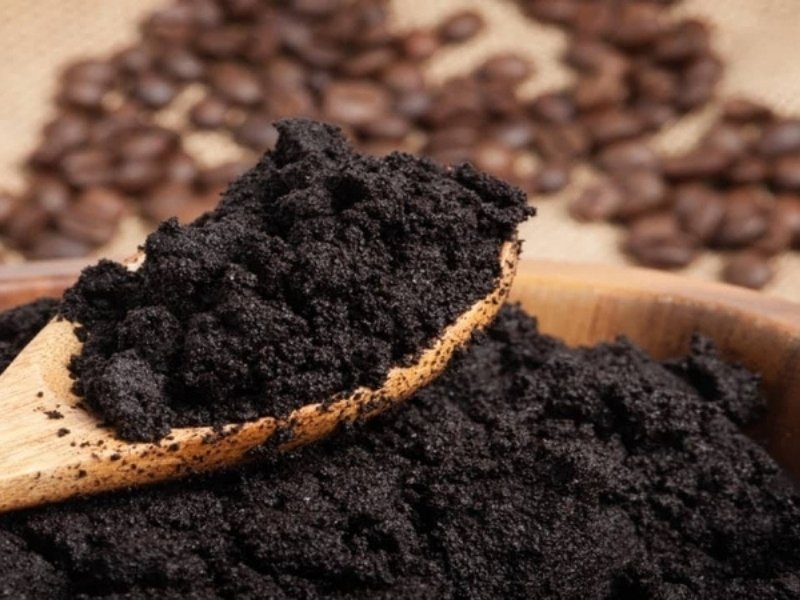
If you're a plant lover, this is where your coffee habit truly pays off. Repurposing coffee grounds in your garden is one of the most effective ways to enrich your soil and support plant health. Let's break down exactly why this "waste" is a gardener's best friend and how you can use it to create a lush, vibrant green space.
Yes, used coffee grounds are excellent for many plants because they add nitrogen and other essential nutrients directly to the soil. As they decompose, they release these vital elements slowly, providing a steady source of food for your plants. They are a fantastic form of organic matter that improves overall soil quality.
- Benefit 1: They serve as a potent gardening fertilizer mulch, exceptionally rich in nitrogen, which is crucial for leafy green growth.
- Benefit 2: Incorporating grounds into the soil improves its structure, promoting better drainage in heavy clay soils and water retention in sandy soils.
- Benefit 3: Earthworms are the engineers of healthy soil, and they are drawn to coffee grounds. Their activity helps aerate the soil and distribute nutrients.
- Benefit 4: The texture and residual caffeine act as a natural pest repellent, creating a barrier that deters slugs, snails, and some ants.
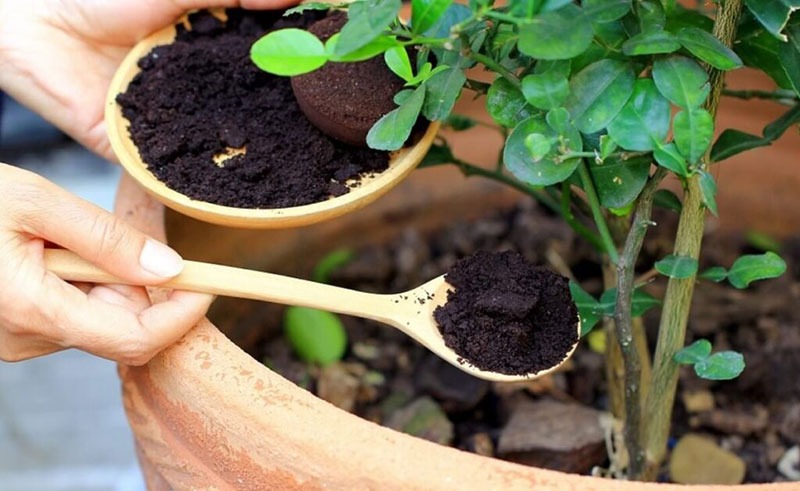
Best Plants for Coffee Grounds in a Vietnamese Garden
The slightly acidic nature of coffee grounds makes them particularly beneficial for certain plants that thrive in Vietnam's diverse climate. If you want to see immediate results, focus on using your grounds with acid-loving flora.
📌 Local Expert Tip:
The high acidity of used coffee grounds is perfect for hydrangeas (hoa cẩm tú cầu), helping them produce those stunning blue blooms, as well as roses (hoa hồng), and citrus trees (cây có múi) commonly found in the temperate climates of Da Lat and other highland regions. For a unique touch, try using grounds from our robust, local Robusta beans. They have a slightly different nutrient and caffeine profile that can give your garden a distinctively Vietnamese boost.
Can You Compost Used Coffee Grounds?
Composting is a cornerstone of sustainable living, and your coffee grounds are a VIP ingredient for any compost pile. Instead of viewing them as waste, think of them as a powerful activator that accelerates the decomposition process, turning your kitchen scraps into nutrient-rich "black gold" for your garden.
Absolutely, used coffee grounds are a fantastic 'green' material for your compost pile, providing a powerful compost nitrogen boost. In composting, 'green' materials are rich in nitrogen, while 'brown' materials (like dried leaves) are rich in carbon. A healthy compost pile needs a good balance of both to thrive.
- How-to: Simply add your used grounds directly to your compost bin. To ensure a balanced mix, layer or mix them with 'brown' materials like dried leaves, shredded cardboard, or small twigs.
- Ratio: A simple and effective guideline is to aim for a ratio of roughly 1 part coffee grounds ('green') to 3 parts brown material. This prevents the compost from becoming too dense or odorous.
- Worm Bins: If you practice vermicomposting, you're in luck. Worms love coffee grounds, but in moderation. Add a small amount each week, and they will happily process it into valuable worm castings.
How to Make a Coffee Ground Scrub for Skin: A DIY Recipe
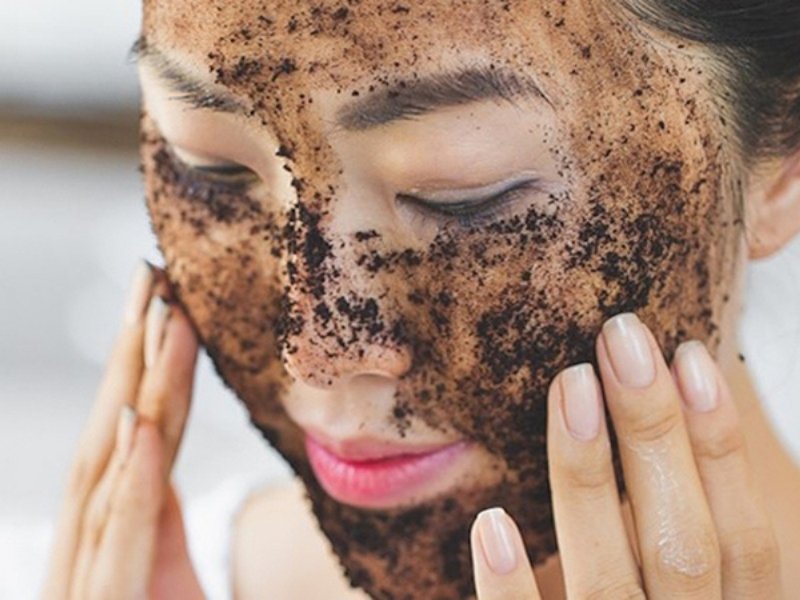
Why spend a fortune on luxury skincare when you have the primary ingredient for a world-class exfoliant in your kitchen? Coffee grounds are a natural and effective way to rejuvenate your skin. Their texture sloughs off dead cells, while the residual caffeine can help stimulate blood flow, potentially reducing the appearance of cellulite and giving your skin a vibrant, firm glow.
Ingredients for Your DIY Exfoliating Scrub
This recipe combines the exfoliating power of coffee with the moisturizing and antibacterial properties of other natural ingredients. It’s simple, effective, and incredibly affordable.
- 1/2 cup Used Coffee Grounds (must be thoroughly dried)
- 1/4 cup Coconut Oil (dầu dừa) or Olive Oil, melted
- 2 tablespoons Honey (mật ong) - Optional, for its natural antibacterial and hydrating benefits
- A few drops of your favorite essential oil (lavender or peppermint work wonderfully)
Step-by-Step Instructions
Creating your scrub is a quick and rewarding process. Follow these simple steps for a perfect batch every time.
- Dry the Grounds: This is the most crucial step. Spread your used coffee grounds in a thin layer on a baking sheet or tray and let them air-dry completely for a day or two. This prevents any mold from growing in your final product.
- Mix Ingredients: In a medium-sized bowl, combine the completely dry grounds with the melted coconut oil. Stir until every ground is coated. If you're using honey, mix it in now.
- Add Scent: Add a few drops of your chosen essential oil and stir again to distribute the fragrance evenly.
- Store: Transfer your finished scrub into a clean, airtight jar. Store it in a cool, dark place, like your bathroom cabinet. It should last for several months.
📌 Local Expert Tip:
For a gentler facial scrub, use the fine grounds from a traditional Vietnamese Phin filter. The texture is less abrasive than the coarse grounds from a French Press. When you consider the cost, this DIY craftsmanship is a clear winner.
| Criteria | DIY Coffee Ground Scrub | Store-Bought Exfoliant (Vietnam) |
|---|---|---|
| Estimated Cost | Under 20,000 VND (using existing ingredients) | 150,000 - 500,000+ VND |
| Ingredients | 100% natural, customizable | Often contains preservatives, chemicals, and microplastics |
| Environmental Impact | Zero-waste, upcycled | Plastic packaging, manufacturing footprint |
What Household Cleaning Uses for Coffee Grounds?
Beyond the garden and bathroom, used coffee grounds are a surprisingly effective and eco-friendly tool for household cleaning. Their abrasive texture and natural odor-absorbing qualities can replace several chemical-based commercial products. Integrating them into your cleaning routine is a simple way to reduce waste and keep your home fresh.
Here are some of the most practical ways to use coffee grounds for cleaning:
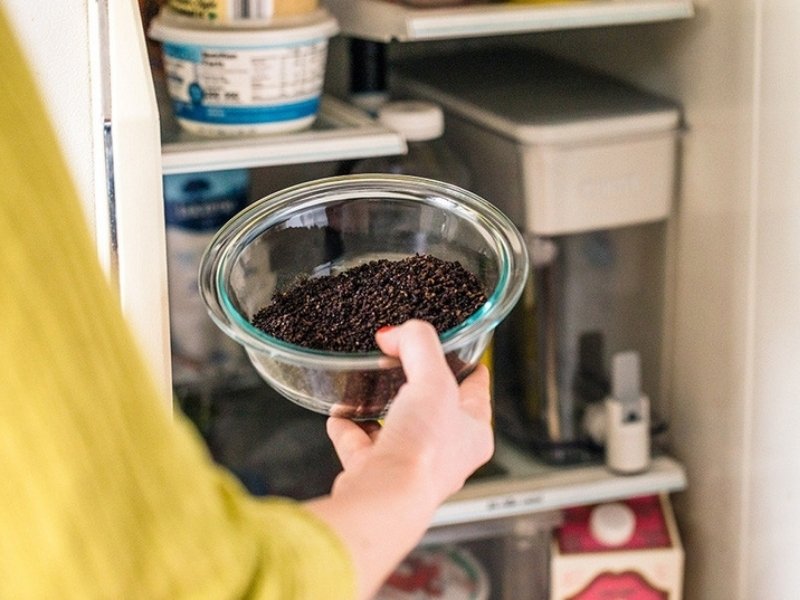
- Fridge Deodorizer: Forget baking soda. Place a small, open bowl of dry, used grounds in the back of your fridge. Their porous nature will absorb strong food odors from things like durian or fish sauce, keeping your refrigerator smelling fresh.
- Grease Remover: For stubborn, greasy pans, sprinkle a handful of grounds onto the surface before you scrub. The gentle abrasion helps lift caked-on food and grease with ease, all without scratching your cookware.
- Hand Deodorizer: After chopping pungent ingredients like garlic, onions, or fresh herbs, take a small scoop of used grounds and rub them between your hands with a little soap. It will neutralize the strong smells instantly.
- Fireplace Cleaner: If you have a fireplace, cleaning out the ash can create a cloud of dust. To prevent this, sprinkle damp coffee grounds over the ash first. This weighs it down, making cleanup a dust-free process.
Beyond the Basics: Advanced & Creative Uses
Ready to elevate your coffee ground repurposing game? Once you've mastered the basics of fertilizing, composting, and cleaning, you can explore some truly creative applications. These advanced uses showcase the incredible versatility of this humble resource, from artisanal food cultivation to clever craft projects.
Can You Grow Mushrooms on Used Coffee Grounds?
This might sound like something for a professional, but it's surprisingly simple. The coffee brewing process effectively pasteurizes the grounds, making them a clean and nutrient-dense medium for growing certain types of fungi.
Yes, you can easily grow mushrooms like oyster mushrooms on used coffee grounds, as the grounds provide a nutritious and pre-sterilized substrate. It's a fascinating and rewarding project that turns your morning coffee waste into a delicious, home-grown harvest.
- Source Spores: First, you'll need to acquire mushroom spawn (the equivalent of seeds). You can find oyster mushroom spawn from many local agricultural suppliers in Vietnam or online.
- Mix and Incubate: In a large, clean plastic bag or bucket with a few small holes, mix your fresh, moist coffee grounds with the mushroom spawn. You need about 500g of grounds for every 50g of spawn. Seal the container and keep it in a dark, warm place (around 20-24°C).
- Harvest: After about 2-4 weeks, you'll see white mycelium colonizing the grounds. Soon after, small mushroom pins will begin to form and grow out of the holes. Mist them with water daily, and you'll be able to harvest your fresh mushrooms in no time.
How to Store Used Coffee Grounds for Later
If you produce more coffee grounds than you can use in a day, proper storage is key to preventing mold and preserving their usefulness. A batch of wet grounds left in a container will quickly spoil, so taking a moment to prepare them for storage is essential.
📌 Good to know:
To store your grounds, spread them in a thin layer on a baking sheet or large tray and leave them in a dry, well-ventilated area until they are completely dry to the touch. Once bone-dry, you can store them in an airtight container indefinitely. For long-term storage or if you live in a humid climate, freezing coffee grounds in a sealed bag is a perfect, hassle-free solution.
FAQ: Your Top Coffee Ground Questions Answered
We've covered a lot of ground, but you might still have a few questions. This section addresses the most common queries we hear at Local Beans Roastery, providing clear, expert answers to help you make the most of your used coffee grounds with confidence.
Are coffee grounds better than chemical fertilizer?
This is a great question. Think of coffee grounds as a soil amendment rather than a direct replacement for a balanced fertilizer. They are a fantastic natural, slow-release source of nitrogen. However, they lack significant amounts of phosphorus and potassium (the 'P' and 'K' in N-P-K fertilizers). So, while they are excellent for improving soil structure and providing nitrogen, they are best used as part of a holistic gardening strategy alongside compost and other organic matter, not necessarily as a complete substitute for a targeted chemical fertilizer if your plants have specific deficiencies.
Where can I get free coffee grounds for my garden?
If your household doesn't produce enough grounds for your ambitious gardening projects, you have options! We encourage you to visit local cafes and coffee shops—including, of course, any of our Local Beans Roastery locations in Vietnam. Most cafes produce a large volume of spent grounds daily and are more than happy to give them away to customers who ask. It helps them reduce their waste and supports a wonderful circular economy. Just bring your own container and ask nicely!
.jpg)
>>> Related articles about "COFFEE":
- Vietnamese Black Coffee: Why It’s The "Whiskey" of Morning Rituals
- Salt Coffee Vietnam (Cà Phê Muối): Authentic Hue Recipe & Guide
- How to Make the REAL Hanoi Egg Coffee: The Authentic Guide
- Vietnamese coconut coffee (Cà phê cốt dừa)
- Salt Coffee Vietnam (Cà Phê Muối): Authentic Hue Recipe & Guide
- Bac Xiu: The real story of Saigon's white coffee